
Last updated October 31, 2026
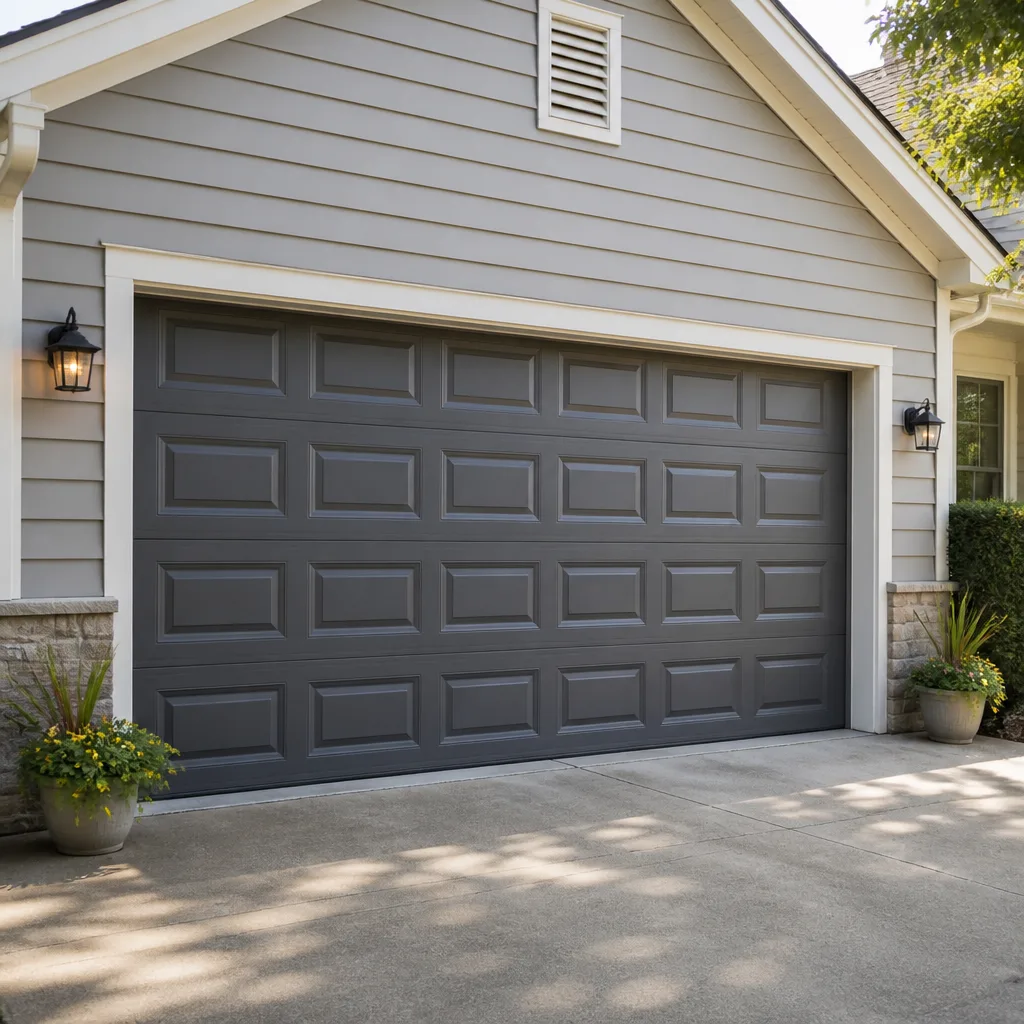 Raised-panel steel
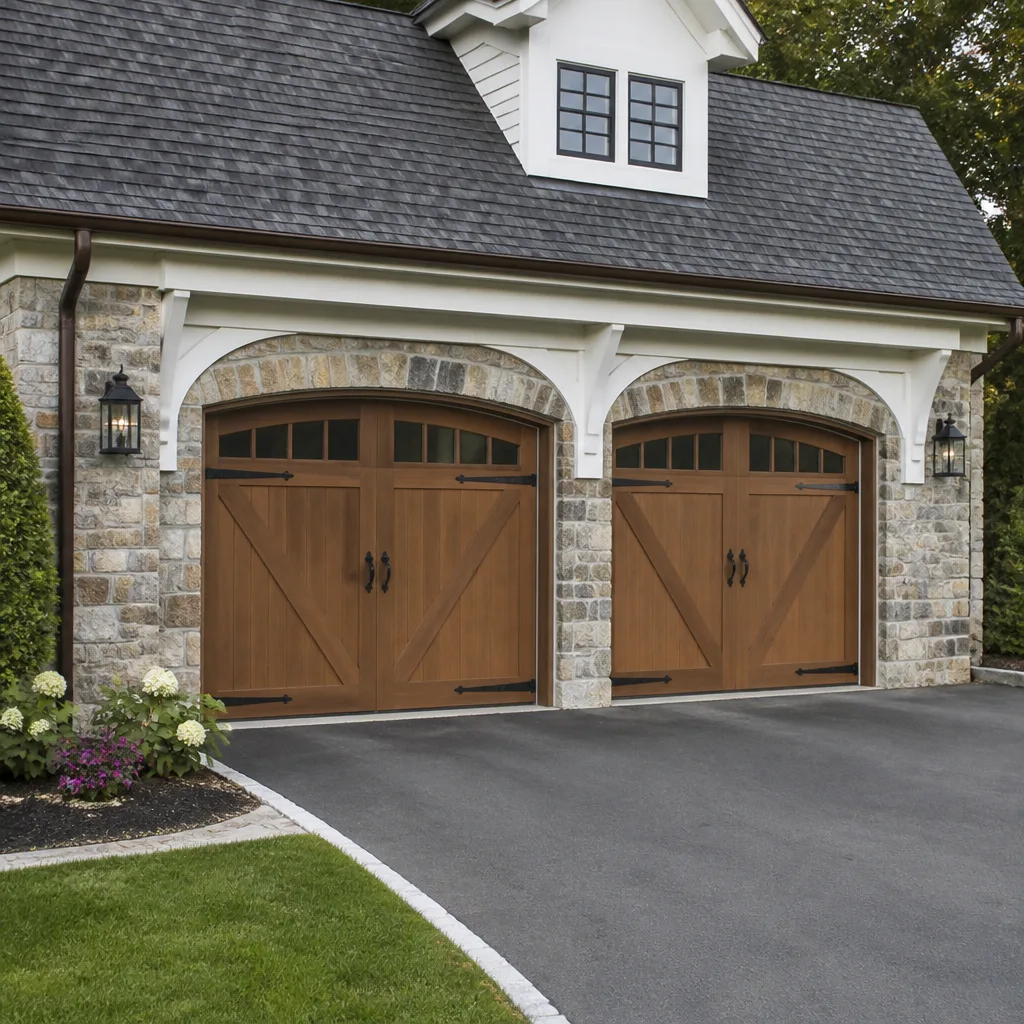 Carriage house
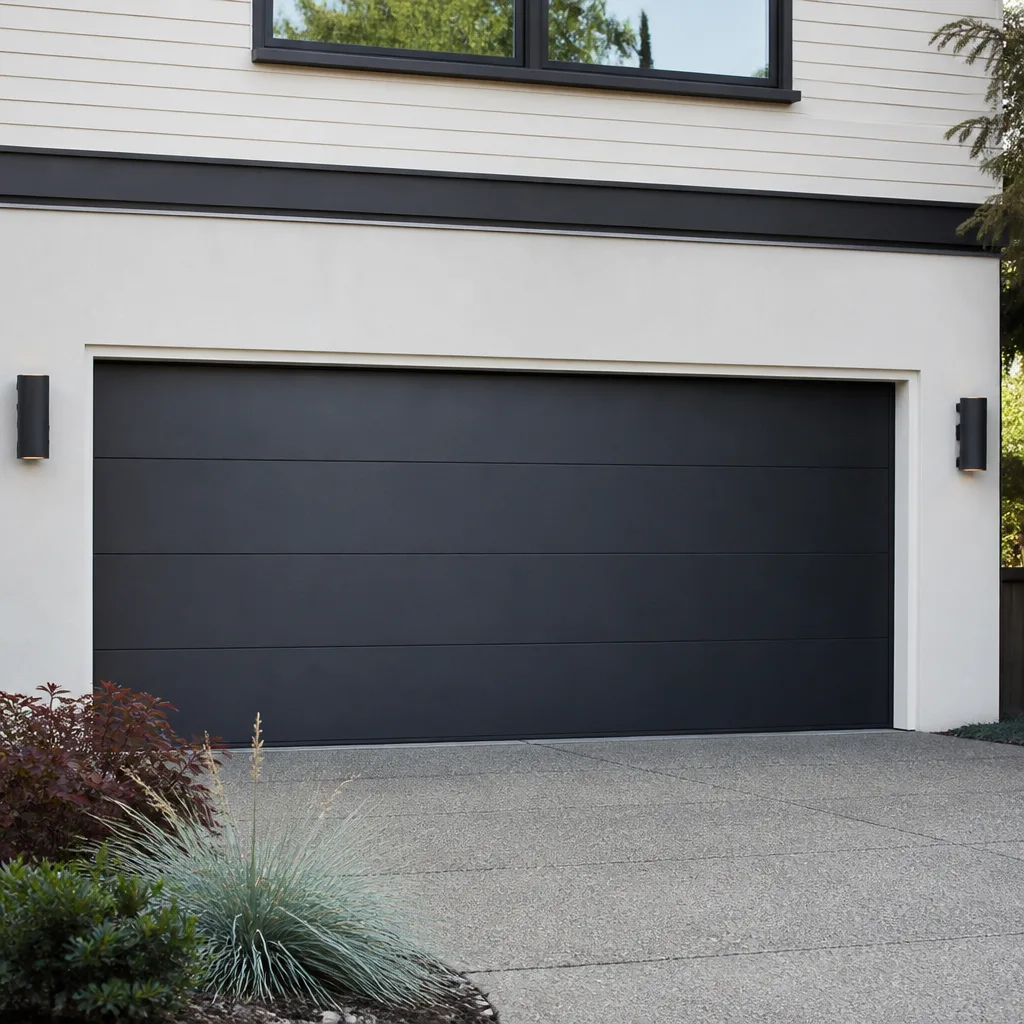 Modern flush
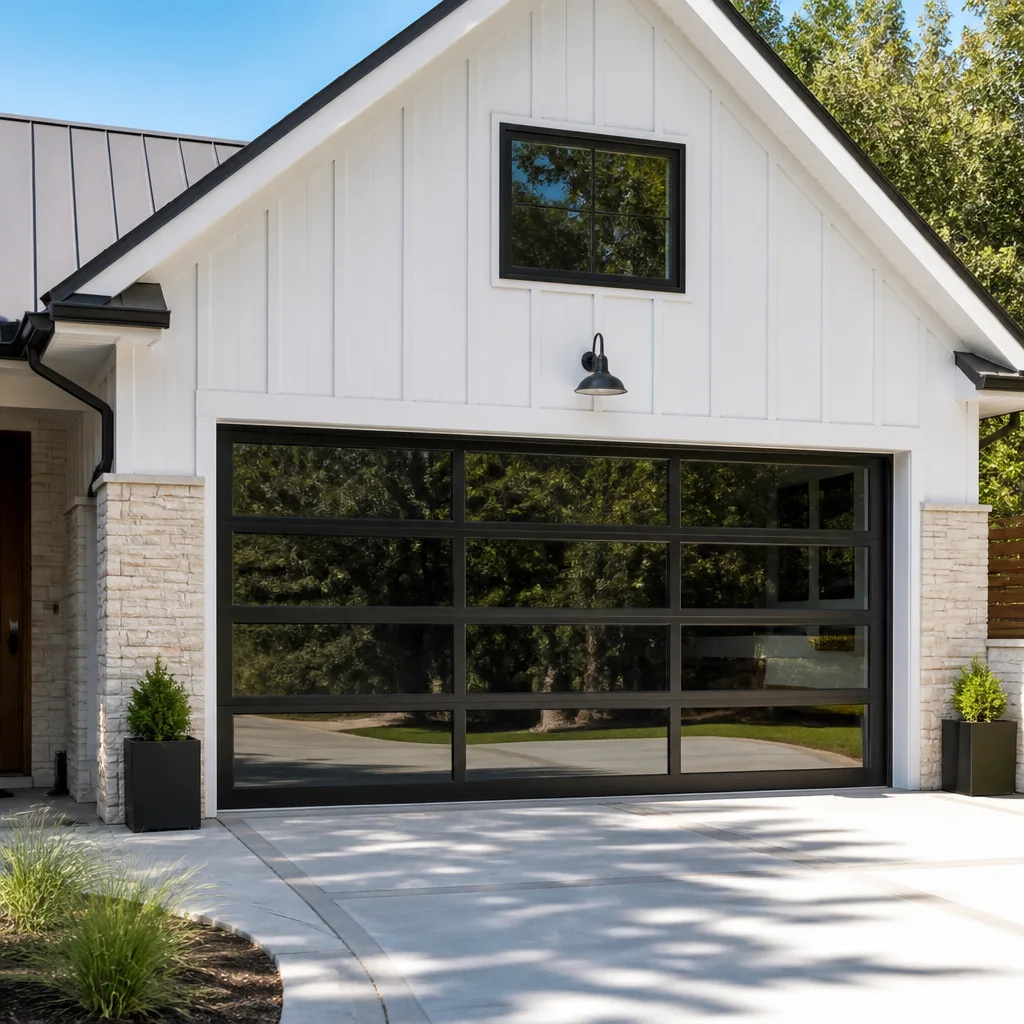 Full-view glass
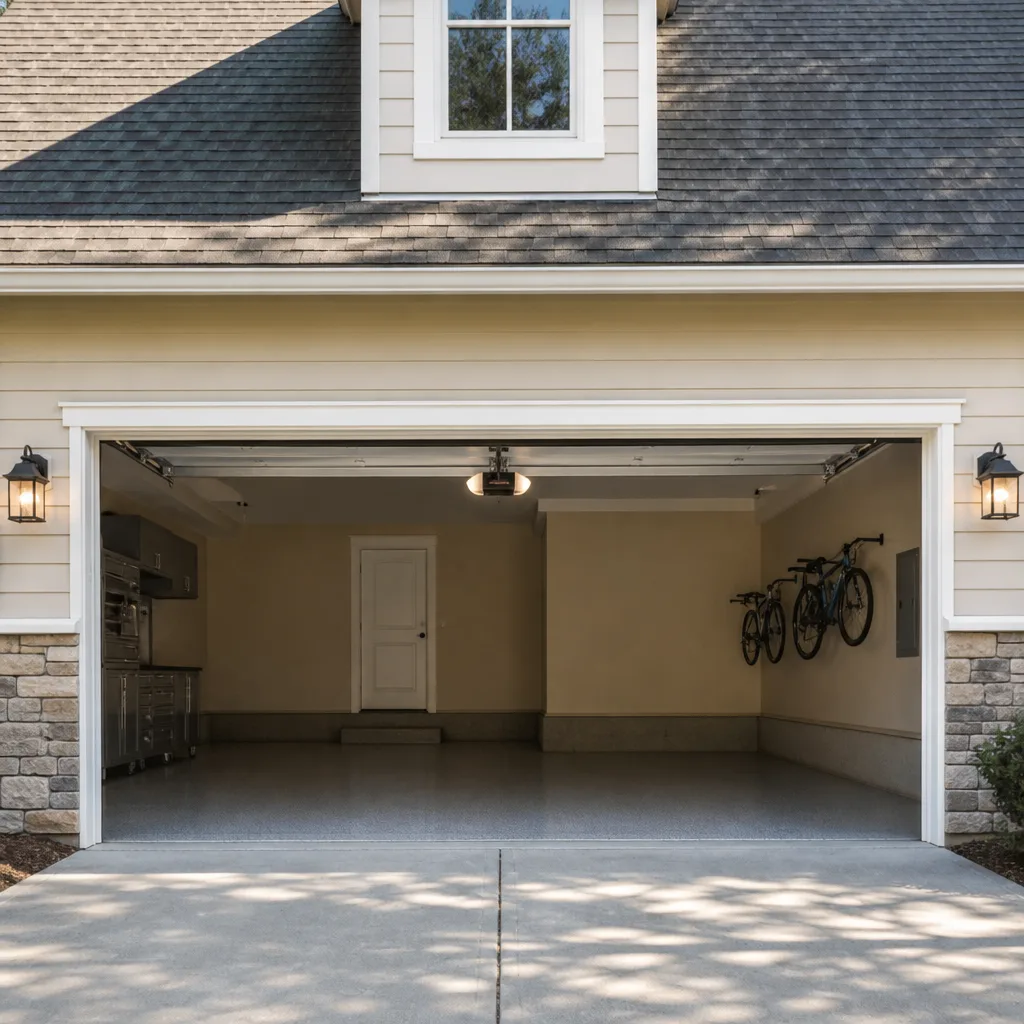 LiftMaster openers
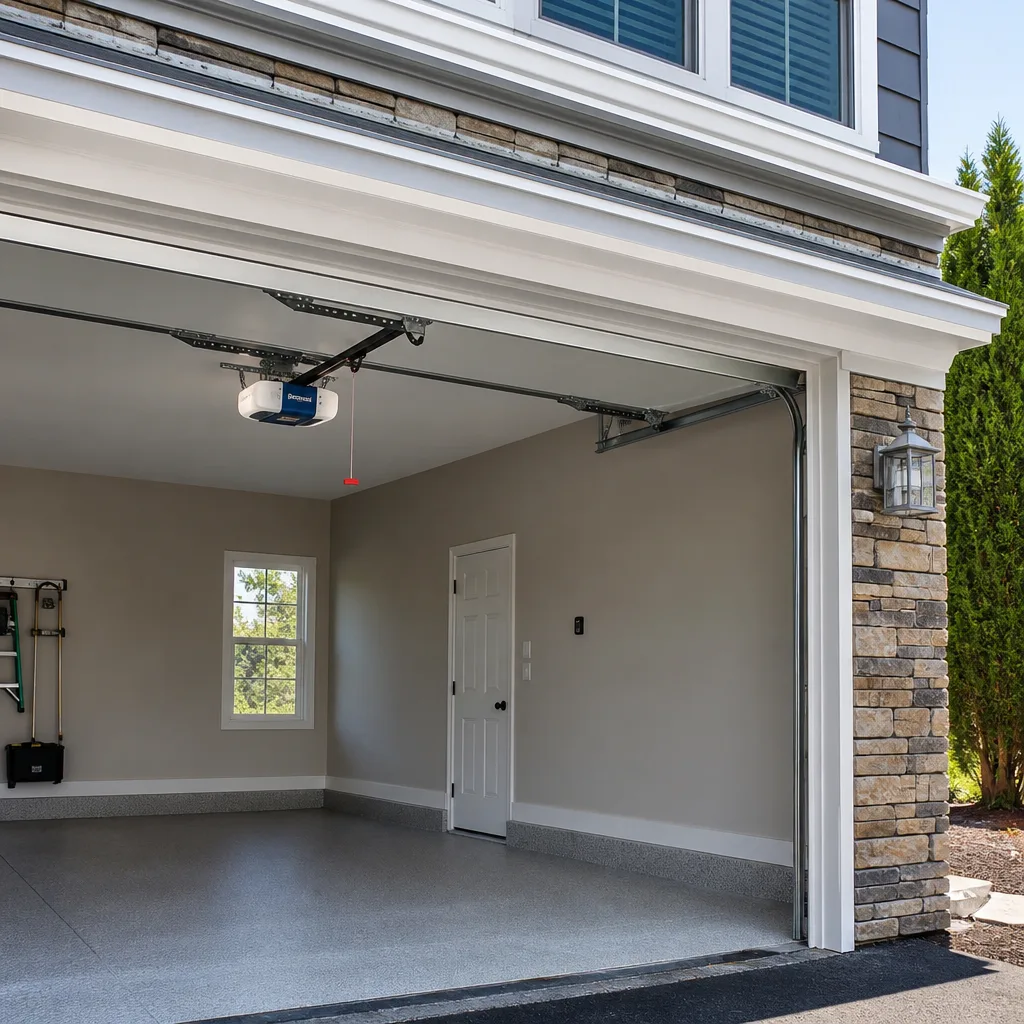 Chamberlain openers
Full 25-point door and opener safety check with every visit - springs, cables, rollers, tracks, and your LiftMaster or Chamberlain opener included
You get a price before we start. It does not change when the truck arrives.
Get your free estimateThe Complete Guide to Garage Door in Grand Rapids
Most garage door guides read like they were written for a homeowner in Phoenix. They talk about sun fading and dry heat, and they skip over the realities of owning a garage door in a city that freezes. Grand Rapids sits in a climate band that punishes the wrong material choices. We get more than 135 days below freezing each year, lake-effect humidity that settles into every hinge and roller, and a housing stock that ranges from 1900s craftsman bungalows in Eastown to brand-new subdivisions in Byron Center. Each one of those homes needs a different conversation about garage doors. This guide is that conversation, written from the perspective of people who work on these doors every day in Grand Rapids.
Quick Answer
A garage door in Grand Rapids needs to handle freeze-thaw cycles, high summer humidity, and cold winters that push a garage interior below freezing. The smartest choice for most attached garages in West Michigan is an insulated steel door with an R-value between 12 and 18, paired with a belt-drive opener from LiftMaster or Chamberlain. If your current door is under 15 years old and the issue is a spring, cable, or panel, a repair usually makes more financial sense than replacement.
Styles & brands we work with
Table of Contents
- Why Grand Rapids Weather Drives Every Door Decision
- Material Choices That Survive West Michigan
- Insulation R-Values: The Sweet Spot for Grand Rapids
- Garage Door Openers: Belt, Chain, or Screw Drive
- Repair vs. Replace: The Cost Thresholds That Make Sense
- How Home Age and Style Should Shape Your Door Choice
- Brand Availability and Service Reality in the Grand Rapids Metro
- Seasonal Maintenance Calendar for West Michigan
Why Grand Rapids Weather Drives Every Door Decision
Grand Rapids sits at the edge of the Great Lakes snowbelt. That means two things that most national buying guides ignore. First, we get real cold. January averages hover around 25 degrees, and overnight lows in February routinely drop into the single digits. Second, we get humidity swings that are more dramatic than most people realize. A July day can hit 88 degrees with a dew point in the 70s, and then the next week a cold front drops temperatures by 30 degrees overnight. That cycle of expansion and contraction does more damage than a cold day ever will.
Freeze-thaw is the quiet killer of garage doors in Grand Rapids. When moisture gets into a wood door’s seams, a wooden frame’s joints, or a steel door’s unsealed bottom edge, it freezes overnight. Frozen water expands by about 9 percent. Do that 30 times over a winter and small cracks become big problems. We see the results every spring: doors that sag on one side, panels that delaminate, and hardware that has rusted in place. The fix is rarely the door itself. It is usually the material choice that was wrong for this climate from the start.
Humidity matters just as much. A garage with poor ventilation and a high summer dew point will sweat. That sweat settles on springs, tracks, and bolts. Rust follows. If your garage door hardware has surface rust, it is not a cosmetic issue. It means the metal is losing its protective coating, and the friction inside the rollers and hinges is increasing. In Grand Rapids, we recommend checking your rollers and springs in late August, after the humidity has done its work.
Material Choices That Survive West Michigan
Homeowners in Grand Rapids have four main material options: steel, aluminum, wood, and composite or vinyl. Each behaves differently in our climate, and the marketing copy you read online does not always line up with what we see in the field.
Steel: The Default for a Reason
Steel is the most common material for garage doors in Grand Rapids because it handles freeze-thaw better than any other option at a similar price point. A 24-gauge or 25-gauge steel door with a polyurethane or polystyrene core will not absorb moisture, will not warp, and will not expand or contract enough to crack the paint. The key is the finish. Look for a factory-applied baked-on finish, not a field-applied paint job. Field paint does not bond as well to galvanized steel, and the salt and road spray that a Grand Rapids winter drags into the garage will find those weak spots.
One caveat: a steel door with a hollow core is a terrible choice for this climate. It will dent easily, it will transmit cold into the garage, and it will rattle in high winds. We have replaced hollow-core steel doors in Walker and Kentwood that failed within five years. If the price seems too good, check the core.
Wood: Beautiful, But Honest About the Work
A real wood garage door on a 1920s Heritage Hill home looks right. Nothing else gives you that warmth. But wood is the highest-maintenance material you can put on a garage in West Michigan. The humidity swings alone will cause a wood door to move seasonally. Add freeze-thaw to the joints and the bottom panel, and you are looking at a door that needs refinishing every two to three years and may need panel repair within a decade.
The bottom panel is the weak point. It sits closest to the ground, gets hit with rain splash and snow melt, and never gets sun to dry it out. In our experience, the bottom panel of a wood door in Grand Rapids fails first, every time. If you love the wood look, consider a wood-look steel door with a composite bottom panel. You get the texture without the rot.
Aluminum: A Risk in the Freeze-Thaw Cycle
Aluminum is lightweight and does not rust, which sounds appealing. But aluminum doors, especially the full-view glass-and-aluminum doors popular on modern homes, present a real thermal problem in Grand Rapids. Aluminum conducts heat roughly 1,000 times more efficiently than steel. That means an aluminum door frame becomes a thermal bridge, carrying cold from outside into your garage and warm air out. On a February morning, you will see frost form on the interior aluminum frame. That frost melts, drips, and refreezes on the hardware. It accelerates rust on the tracks and rollers even though the door itself is rust-free. Aluminum is a fine choice for a detached garage that is not heated and rarely used in winter. For an attached garage in Grand Rapids, it is usually the wrong tool.
Composite and Vinyl: The Quiet Performer
Composite doors, often built with a steel or wood frame wrapped in a vinyl or fiberglass skin, handle West Michigan weather well. They do not rot, they do not rust, and they hold up to hail better than thin steel. The tradeoff is weight and price. A composite door is heavy, which means your springs need to be sized correctly. And composite doors run 20 to 30 percent more than a comparable steel door. For a homeowner who wants low maintenance and plans to stay in the home for 10-plus years, composite is a strong value. For a homeowner watching the budget, a quality steel door with a composite bottom panel gets you most of the benefit at a lower cost.
Insulation R-Values: The Sweet Spot for Grand Rapids
The insulation conversation is where generic guides go wrong most often. They tell you to buy the highest R-value you can afford. In Grand Rapids, that is bad advice for a lot of homes.
Here is the reality: an attached garage is not a living space. You are not heating it to 70 degrees. You are trying to keep it above freezing and reduce the thermal loss from the house through the shared wall. A garage door with an R-value of 12 to 18 does that job for the vast majority of homes in Grand Rapids. Go higher than R-18 and you are paying for insulation that never pays you back, because the garage air is not conditioned and the door is not the only source of heat loss. The single-pane windows, the sill plate, and the uninsulated walls of most Grand Rapids garages leak more heat than the door does.
The material inside the door matters more than the number on the label. Polyurethane insulation is injected as a foam and bonds to the steel skins, which stiffens the door and reduces rattling. Polystyrene is a rigid foam board that is glued in. It insulates, but it does not add the same structural rigidity, and it can shift over time. In our experience, a polyurethane core door with an R-value of 12 to 14 outperforms a polystyrene door rated at R-18 in the real world, because the polyurethane door seals better and flexes less.
The bottom line for Grand Rapids homeowners: if your garage is attached and shares a wall with the house, buy a polyurethane-insulated steel door with an R-value of at least 12. If your garage is detached and unheated, skip the insulation premium entirely and buy the best non-insulated door you can afford. Insulating a detached, unheated garage in Michigan is like putting a wool coat on a mailbox. It does not change the temperature inside.
Garage Door Openers: Belt, Chain, or Screw Drive
Grand Rapids homeowners deal with a specific opener problem that warmer climates never see: cold-weather operation. When temperatures drop into the teens, the grease inside a chain-drive opener thickens. The motor has to work harder to pull the door, and the chain itself contracts. The result is a door that strains, squeals, or stops midway through the cycle. We get a wave of these calls every January.
Belt Drive: The Modern Standard
A belt-drive opener uses a reinforced rubber belt instead of a metal chain. The belt does not contract or expand as dramatically as a chain, and it runs quiet enough that a bedroom above the garage does not vibrate. For attached garages in Grand Rapids, belt drive is the right default choice. The cost premium over a chain drive is usually $50 to $100, and the reduction in noise and cold-weather trouble is worth it.
Chain Drive: The Budget Workhorse
Chain drives work. They have worked for decades. But in our experience, a chain-drive opener in an unheated Grand Rapids garage needs more attention in the winter. The chain lubrication gets thick, and the sprocket wear accelerates. If you are buying a chain-drive opener, buy one with a DC motor rather than an AC motor. DC motors ramp up speed gradually, which is easier on the chain and the door. And plan to have the chain tension checked every fall.
Screw Drive: The Cold-Weather Compromise
Screw-drive openers have a threaded rod that moves the trolley. They have fewer moving parts than a chain drive, and they are less affected by cold because there is no chain to bind. But they are louder, and the threads need to stay lubricated. If your garage is detached and you do not care about noise, a screw drive is a reasonable choice. If the garage is under a bedroom, a screw drive will announce itself every time the door moves.
Brand-wise, LiftMaster and Chamberlain dominate the Grand Rapids market. They are the same parent company, and parts are widely available locally. Genie is also common, particularly on doors installed in the 1990s and early 2000s. Garage Door Opener Repair in Kentwood is one of our most requested services, because these openers fail in predictable ways: stripped gears on LiftMaster units, logic board failures on Genie motors, and sensor misalignment after a door gets bumped.
Repair vs. Replace: The Cost Thresholds That Make Sense
The most common question we hear from Grand Rapids homeowners is whether to fix the door they have or replace it. The answer depends on three things: the age of the door, the condition of the panels, and the type of failure.
Here is a practical decision tree, based on what we see across the Grand Rapids metro:
- The door is under 10 years old. Unless the damage is catastrophic or the door was cheap to begin with, repair it. A broken spring on a 7-year-old door is a $180 to $350 fix. A new door is $1,200 to $3,500 installed. The math is easy.
- The door is 10 to 15 years old and the failure is a spring, cable, or roller. Repair it. Springs and cables are wearable parts, like brake pads. Replacing them does not mean the door is dying. It means the door is being used.
- The door is 10 to 15 years old and the failure is structural. If the bottom panel is rusted through, the steel skin is separating from the core, or the door sags even when the springs are balanced, you are near replacement. Repairing structural damage on a mid-aged door usually costs more than half the price of a new door, and you still have an old door.
- The door is over 15 years old and this is the third call in 18 months. Start planning for replacement. Every door has a useful life, and a door that is nickel-and-diming you with $200 repairs every few months is past its useful life.
- The door is over 20 years old and needs any major component. Replace it. A 20-year-old door does not have the insulation, safety features, or paint durability of a modern door. You will spend repair money on a door that is one season away from the next failure.
The cost thresholds that drive these decisions in Grand Rapids are fairly consistent. A torsion spring replacement runs $180 to $340 installed. A cable repair is $150 to $250. A panel replacement, where the panel is still available, is $400 to $800. A full door replacement with a mid-grade insulated steel door is $1,200 to $2,800, depending on size and features. When the repair cost hits 40 to 50 percent of the replacement cost, and the door is old enough to vote, replacement usually wins.
How Home Age and Style Should Shape Your Door Choice
Grand Rapids is not a uniform suburb. It is a city of distinct housing eras, and the right garage door for a 1915 craftsman bungalow in Eastown is not the right door for a 2018 colonial in Cascade. We have installed doors on both, and the conversation is different.
Pre-War Homes (1900 to 1945): Heritage Hill, Eastown, Creston
These homes usually have narrow single-car garages, low headroom, and door openings that are not standard modern dimensions. If your Grand Rapids home predates World War II, do not order a door online without having the opening measured precisely. Many of these garages take a 7-foot-wide door, not the 9-foot-wide door that became standard in the 1960s. A door that is an inch too tall or six inches too wide will not fit without reframing, and reframing an old garage is expensive.
Style-wise, these homes want a door that respects the architecture. A carriage-house style door with recessed panels and faux hinges looks right on a craftsman bungalow. A sleek full-view aluminum door looks like a mistake. The good news is that modern steel doors are available in carriage-house styles that give you the look of wood without the maintenance burden. We recommend that path for nearly every pre-war home in Grand Rapids.
Mid-Century Homes (1950 to 1980): Alger Heights, Garfield Park
These homes often have larger garages, but the door openings run toward the plain. A simple raised-panel steel door looks right here. The bigger concern is the framing and the opener. Many of these homes have original doors from the 1970s, which means the safety features are missing or disabled. If your door does not reverse when it hits an obstruction, that is not a minor annoyance. It is a hazard. Doors built before 1993 were not required to have photoelectric safety sensors, and many of those old doors are still operating in Grand Rapids garages. Upgrading an old door on a mid-century home is as much a safety decision as a curb-appeal decision.
Newer Construction (1990 to present): Byron Center, Caledonia, Kentwood
Newer homes in the Grand Rapids metro have standard openings, higher ceilings, and often have side-mounted openers already. The door itself is usually a builder-grade steel door with a thin polystyrene core and an R-value around 6 to 9. These doors are functional, but they are the first thing to fail in a hailstorm or a freeze-thaw cycle. The panels are thin, the paint is often a single coat, and the hardware is entry-level. We are not saying every new construction home needs a new door. We are saying that when the builder-grade door fails, it is worth spending the extra money on a door that will last 20 years rather than replacing it with another builder-grade unit.
Brand Availability and Service Reality in the Grand Rapids Metro
One question we hear often is whether it matters what brand of door or opener you buy. The answer depends on who is servicing it. Some brands have strong local parts networks in Grand Rapids. Others require parts to be ordered from a regional warehouse, which turns a same-day repair into a week-long wait.
On the door side, Clopay and Amarr are the most common brands in Grand Rapids, and local distributors carry their panel and spring inventory regularly. Wayne Dalton doors are also present, though some of their TorqueMaster spring systems use enclosed springs that are less common, and not every technician carries the specific parts. Raynor is a solid brand with a strong Midwest manufacturing footprint, and parts are reasonably available through local distributors.
On the opener side, LiftMaster and Chamberlain dominate the installed base in Grand Rapids. If you have one of these openers, most repair parts, from logic boards to travel modules, are available locally. Genie is the third major player, and Craftsman openers, which were made by Chamberlain for years, are still common in homes from the 1990s and 2000s.
The practical takeaway for a Grand Rapids homeowner: before you buy a door or opener online, ask a local company whether they service that brand and stock parts for it. A door that costs $200 less online but cannot be repaired for a week when a spring breaks in February has not actually saved you money. Garage Door Installation in Kentwood and across the metro is as much about picking the right brand for the service network as it is about picking the right color.
Seasonal Maintenance Calendar for West Michigan
Most garage door maintenance guides are written for a generic climate. Yours is not generic. Grand Rapids has a rhythm to the year, and your door maintenance should follow it. For urgent situations, keep our Garage Door Emergency Preparedness Guide for Grand Rapids Homes handy. Here is the calendar we recommend to homeowners across the city:
- October: Pre-winter inspection. Before the first hard freeze, lubricate the rollers, hinges, and springs with a silicone spray. Do not use WD-40 as a lubricant; it is a solvent and will strip the existing grease. Check the weather seal at the bottom of the door. If it is cracked or compressed, replace it before the snow arrives.
- November through February: Cold-weather watch. Listen for changes. A door that strains more in January is not just cold; it is telling you the springs are losing tension or the opener is struggling. If the door stops halfway up, do not force it. That is a sign of a failing spring or a door out of balance, and forcing it can strip the opener gear.
- March: Post-thaw inspection. After the snow melts, walk the perimeter of the door and look for rust on the hardware, cracks in the panels, and water staining on the interior. The freeze-thaw cycle just spent five months testing every seal and joint. Whatever failed is visible now.
- May: Deep clean and lubrication. Wash the door with mild soap and water to remove the winter’s road salt and grime. Lubricate the moving parts again. Check the balance by disconnecting the opener and lifting the door manually. It should stay in place at halfway open. If it falls or rises, the springs need attention.
- August: Humidity check. After the humid weeks of July and August, inspect the springs and tracks for surface rust. If you see rust, a light cleaning and a silicone spray will slow it down. If the rust is heavy or the springs are more than seven years old, have them looked at before winter.
Common Mistakes to Avoid
- Buying a hollow-core steel door to save money. In Grand Rapids, a hollow-core door will dent with the first hailstorm and transmit cold all winter. The $200 you save on the door you will pay back in energy loss and repairs.
- Ignoring the bottom weather seal. The rubber strip along the bottom of the door is the only thing between your garage floor and a winter of snow melt. A cracked seal lets water in, which freezes, which then freezes the door to the floor more often.
- Ordering a door online without measuring the opening. Pre-war homes in Eastown and Heritage Hill frequently have non-standard openings. A door that does not fit is a door that has to be returned, and return shipping on a garage door is not free.
- Using WD-40 on the springs and rollers. WD-40 is a solvent, not a lubricant. It will strip the existing lubrication and leave the metal drier than before. Silicone spray is the right tool for garage door hardware.
- Replacing a door because the opener failed. The door and the opener are separate systems. A door that is heavy, out of balance, or poorly maintained will destroy a new opener within a few years. Fix the door, then evaluate the opener.
- Skipping the safety sensor test. If your door does not reverse when it hits an object on the way down, the sensors are misaligned or the opener logic is failing. Do not ignore this. A door that does not reverse is a hazard for kids, pets, and cars.
- Choosing a door color without seeing it on a West Michigan winter day. Colors look different under our low winter light than they do in a showroom photo. If you can, look at a physical door panel before you commit, especially for whites, grays, and wood tones.
See the difference
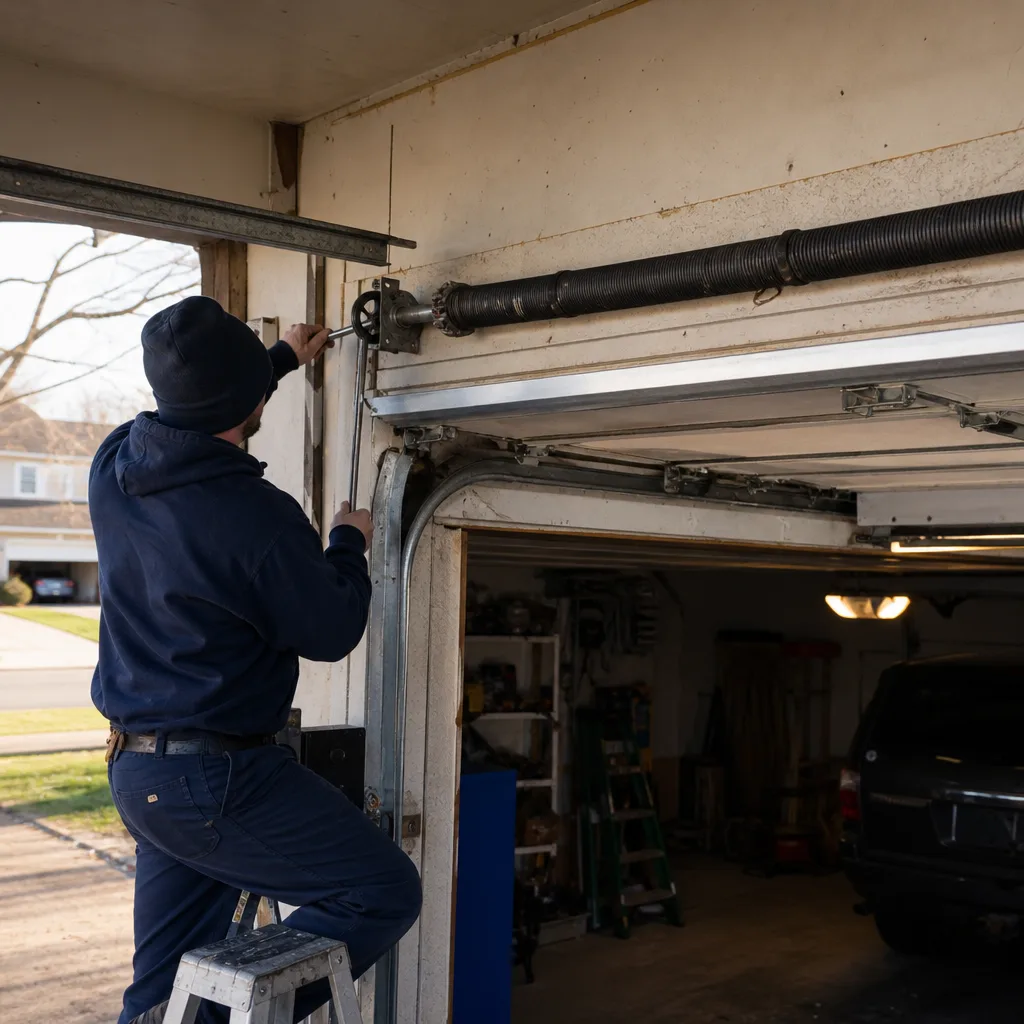 Before
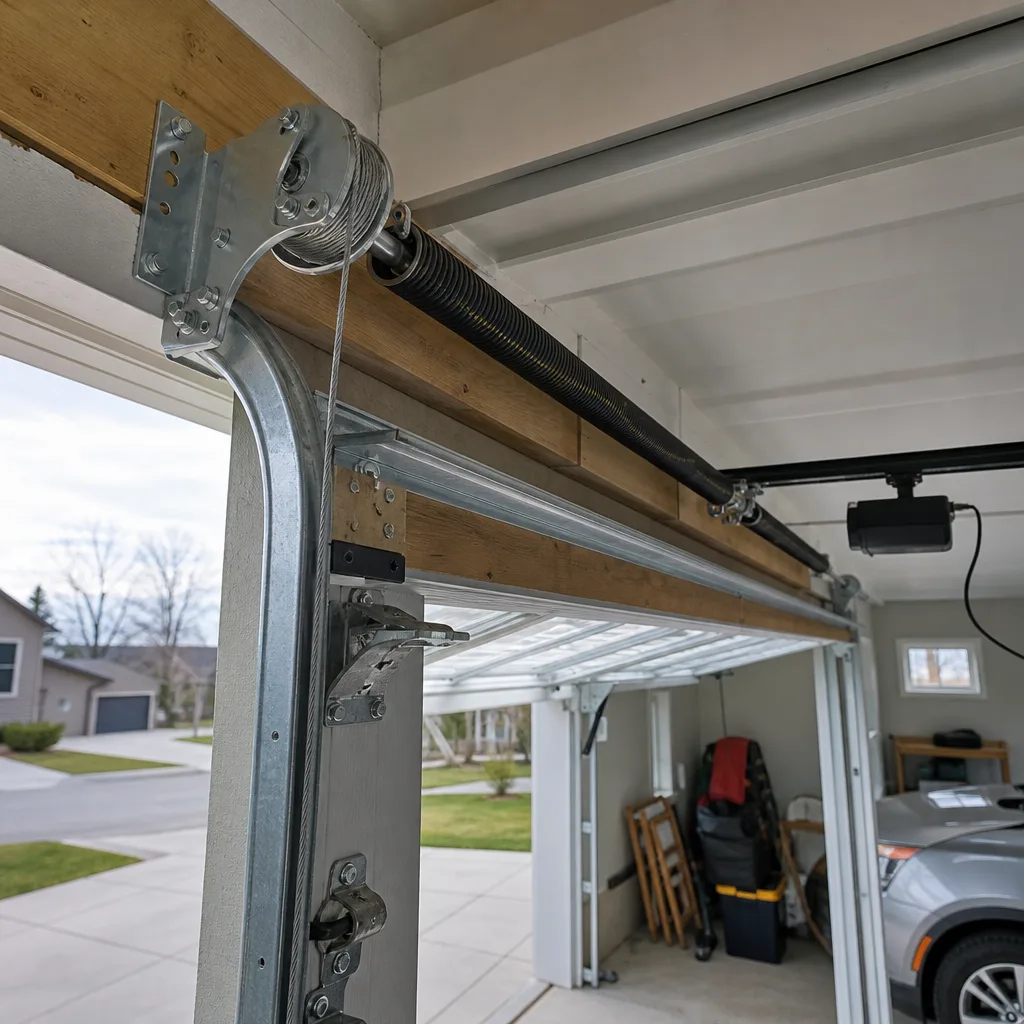 After
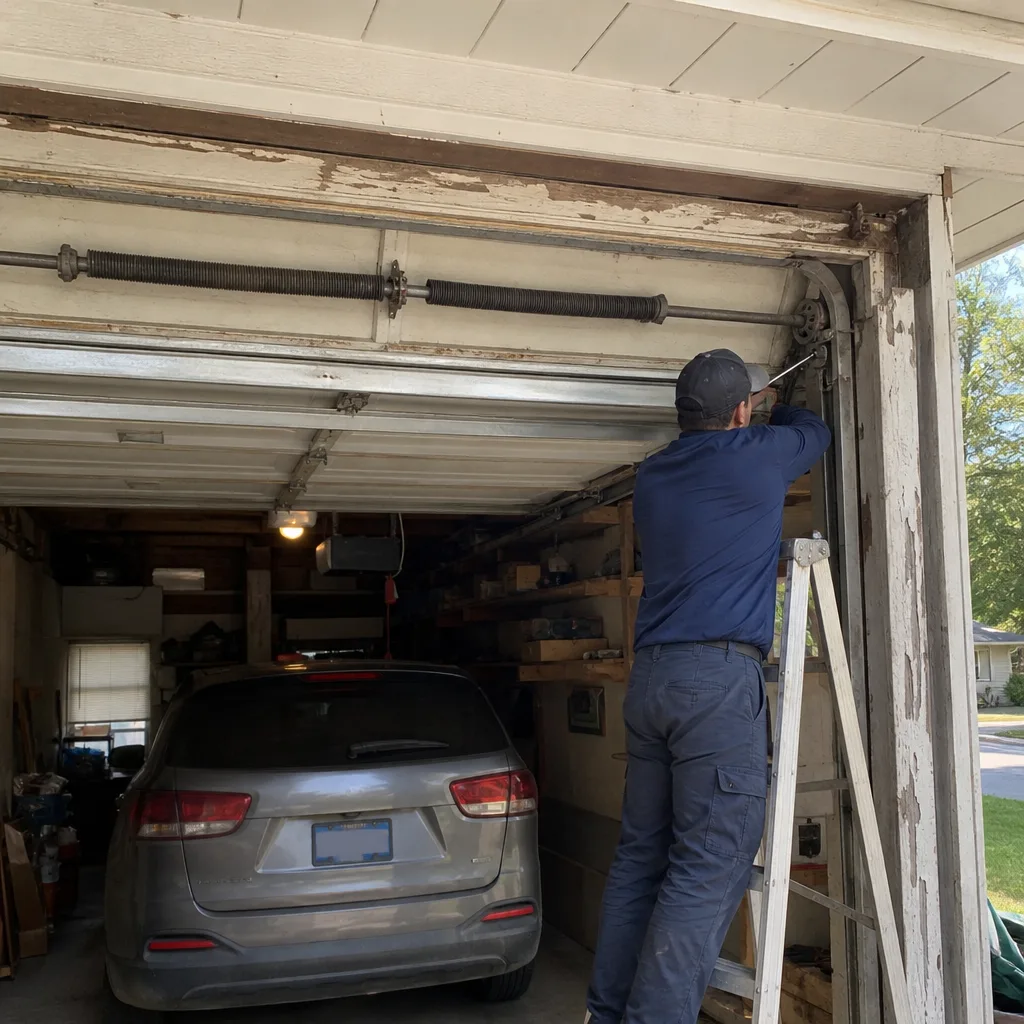 Before
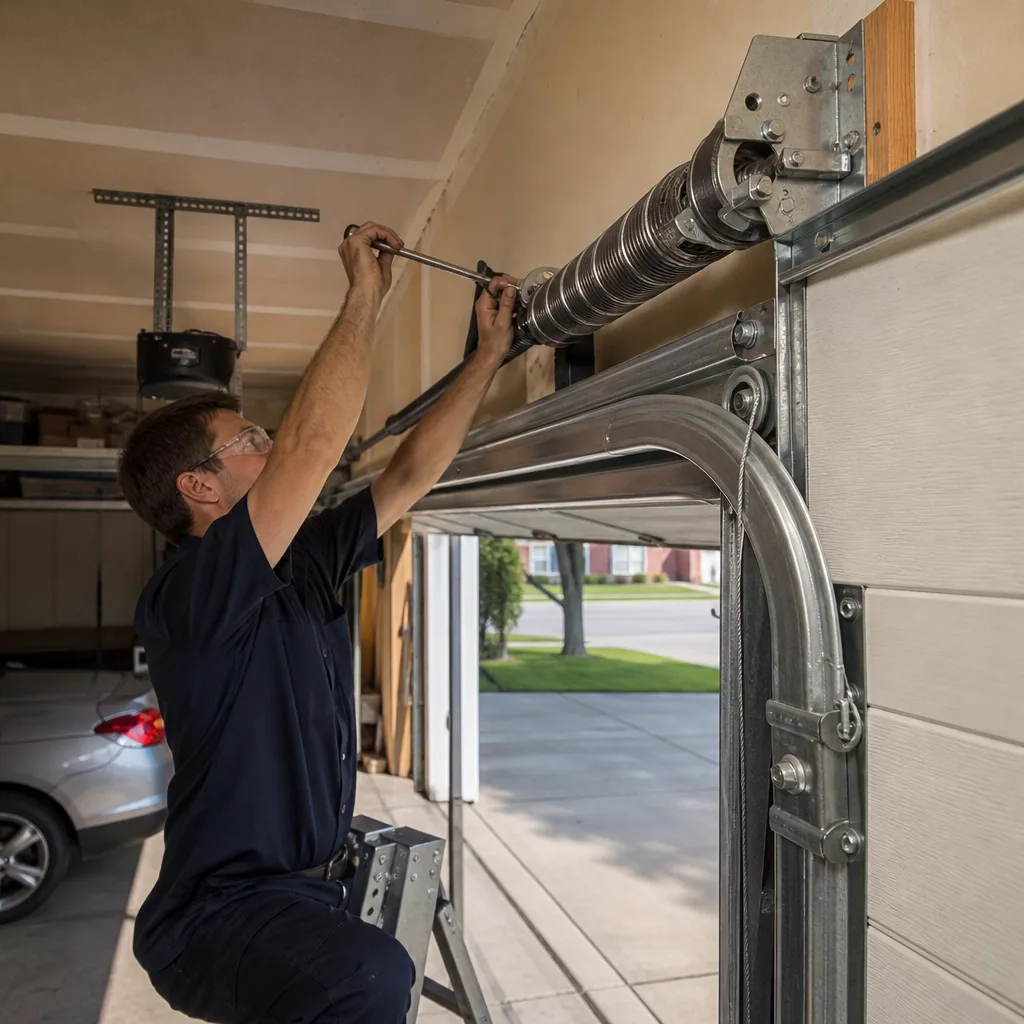 After
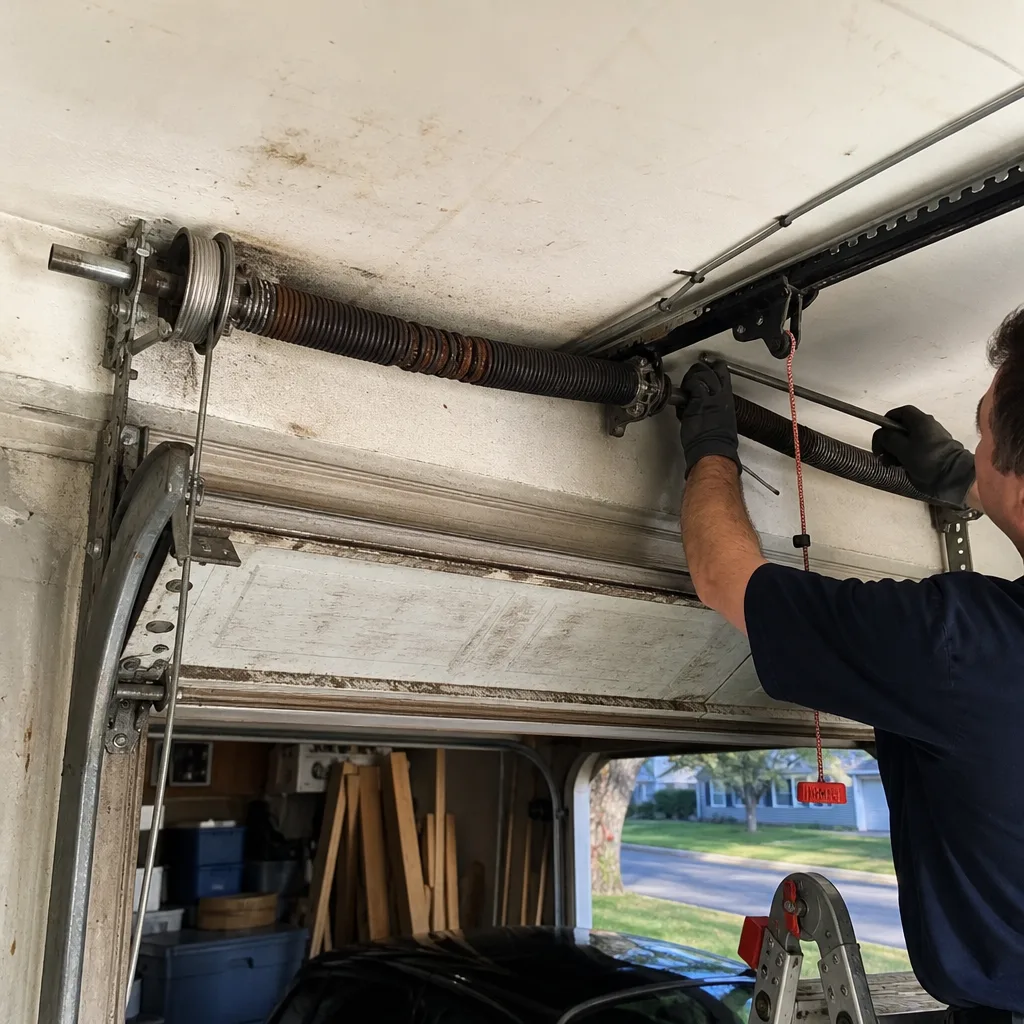 Before
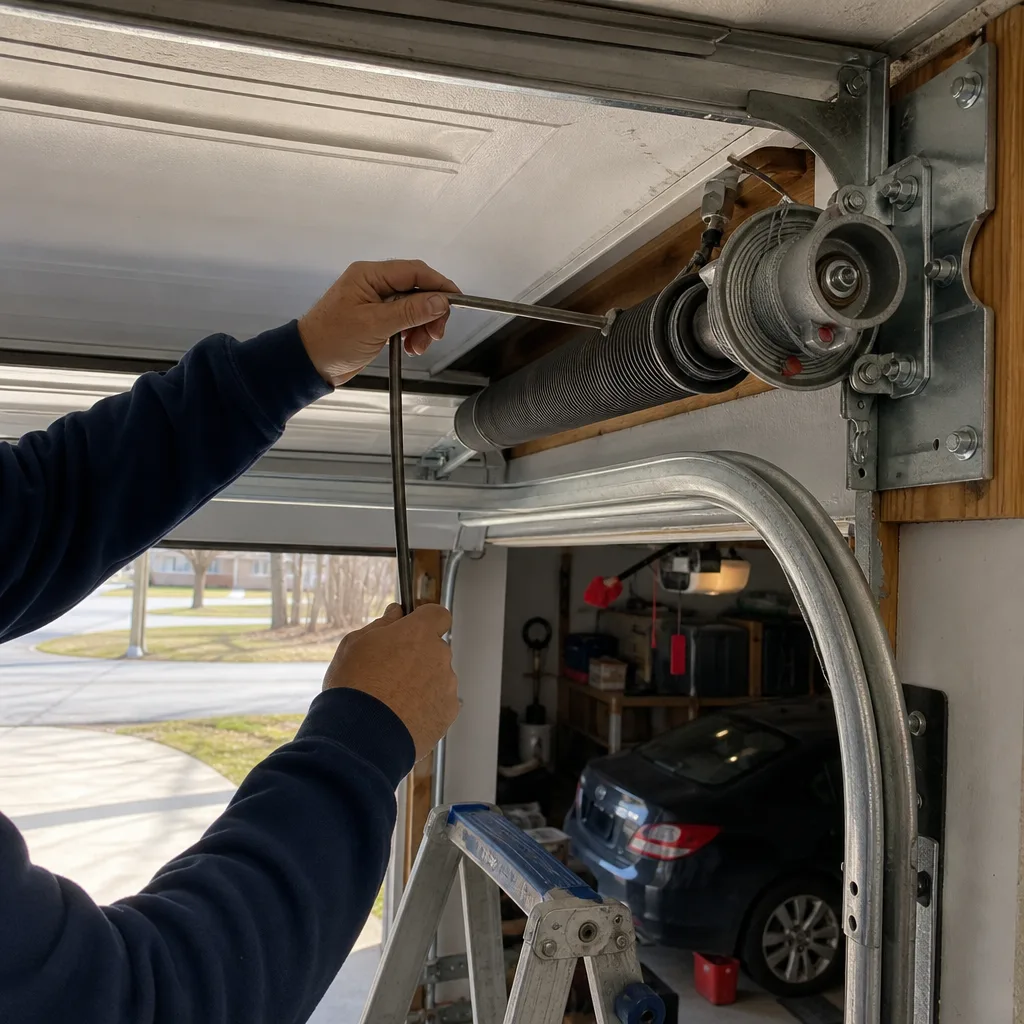 After
When to Call a Professional
Garage doors are one of the few home systems where a DIY mistake can be genuinely dangerous. Torsion springs are under enormous tension, and a spring that lets go while you are working on it can cause serious injury. Here is when to put down the tools and pick up the phone. If the door falls faster than normal or slams shut, the springs have failed or are failing. If the cable is frayed or has come off the drum, do not try to rewind it yourself. If the opener motor runs but the door does not move, you likely have a stripped gear or a broken coupler, and that repair belongs to someone who works on openers regularly. If you hear a loud bang and then the door will not open, a spring has snapped, and the door is now dead weight on the opener. Sunshine Garage Door Service offers free estimates in Grand Rapids, and we work on LiftMaster, Chamberlain, Genie, Clopay, Amarr, Wayne Dalton, Craftsman, and Raynor equipment. Call (866) 491-7155.
Frequently Asked Questions
A new garage door in Grand Rapids typically costs between $1,200 and $3,500 installed, depending on the size, material, and insulation level. A single-car steel door with basic insulation runs $1,200 to $1,800, while a double-car polyurethane-insulated door in a premium finish runs $2,500 to $3,500. Call (866) 491-7155 for an exact quote for your specific opening.
Yes, in most cases a broken torsion spring or extension spring can be replaced the same day. Torsion springs are stocked in common sizes, and the replacement itself takes about an hour for a typical single door. If your spring breaks in a Grand Rapids winter, do not keep operating the door; a broken spring puts the full weight of the door on the opener and will burn out the motor.
Your garage door freezes shut because warm air or meltwater inside the garage refreezes on the weather seal at the bottom of the door. The fix is usually a new bottom seal, improved drainage away from the door, and a check of the garage’s ventilation. Freezing is more common on attached garages that are semi-heated, because the temperature difference between inside and outside is larger.
For an attached garage in Grand Rapids, an R-value between 12 and 18 is the practical sweet spot. Polyurethane-insulated doors in this range keep the garage above freezing on all but the coldest nights without costing you money for insulation you will never recover. For a detached, unheated garage, insulation is less important, and a non-insulated door is a reasonable budget choice.
We service LiftMaster, Chamberlain, Genie, and Craftsman openers, along with opener models from other major manufacturers. If you have an older Craftsman opener from the 1990s or a Genie that has stopped responding to the remote, we can diagnose it. Garage Door Opener Repair in Kentwood is a regular part of our work.
If your wood door in Grand Rapids is structurally sound and only the bottom panel shows rot or water damage, a panel replacement is worth pursuing if the panel is still available. If the rot has spread to multiple panels or the door has significant warping, replacement with a wood-look steel door usually makes more financial sense, because you get the same appearance without the ongoing maintenance.
The Bottom Line
A garage door in Grand Rapids is a seasonal machine. It expands in July, contracts in January, and battles freeze-thaw cycles from November through March. The right door for this city is an insulated steel door with a polyurethane core, paired with a belt-drive opener that starts smoothly in cold weather. The right maintenance is a seasonal rhythm: lubricate in October, watch through the winter, inspect after thaw, and clean before the humid stretch. And the right time to replace is when a repair costs more than half the price of a new door, or when the door has spent more than 15 years absorbing West Michigan weather. If you are not sure what your door needs, call us or explore more guides & resources on our blog. We work on the brand you already have, and we’ll get your door back in motion.
Written by the team at Sunshine Garage Door Service, serving Grand Rapids since 2013.