
Last updated October 31, 2026
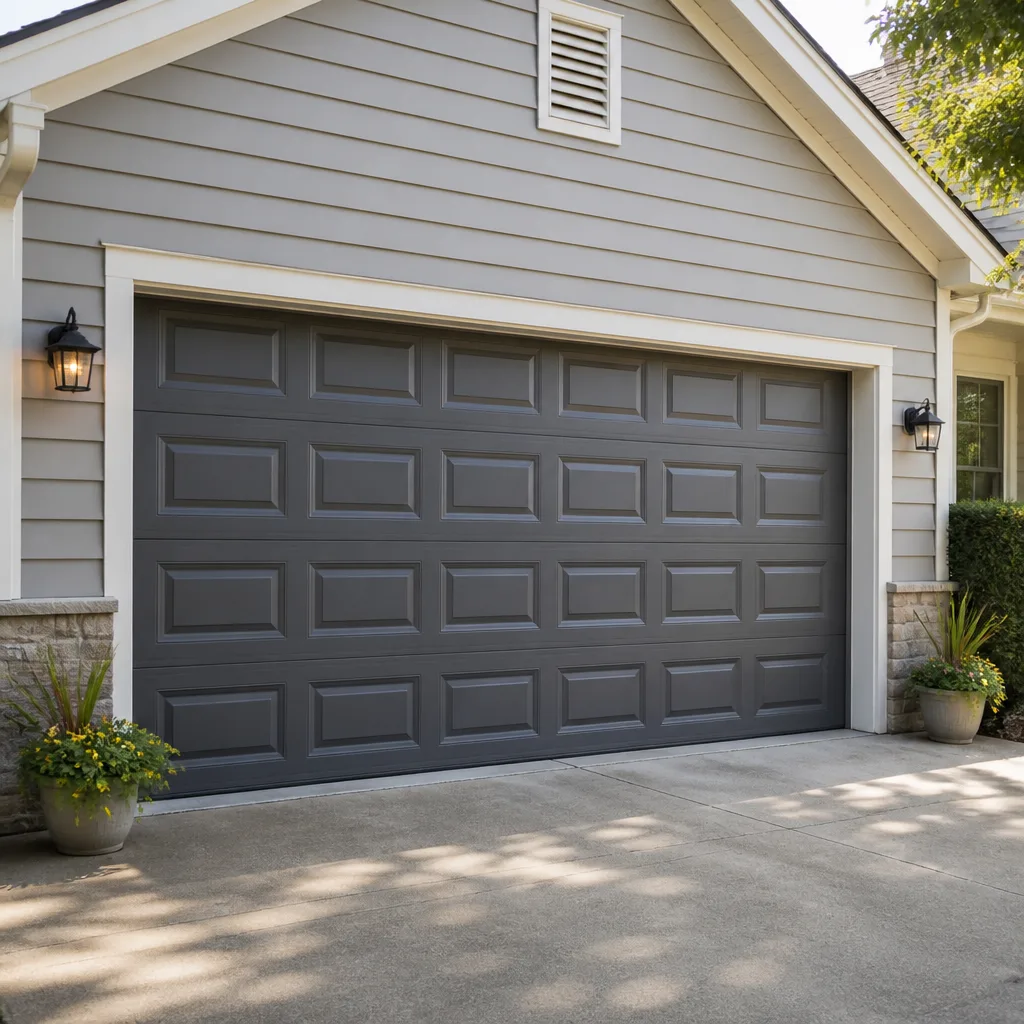 Raised-panel steel
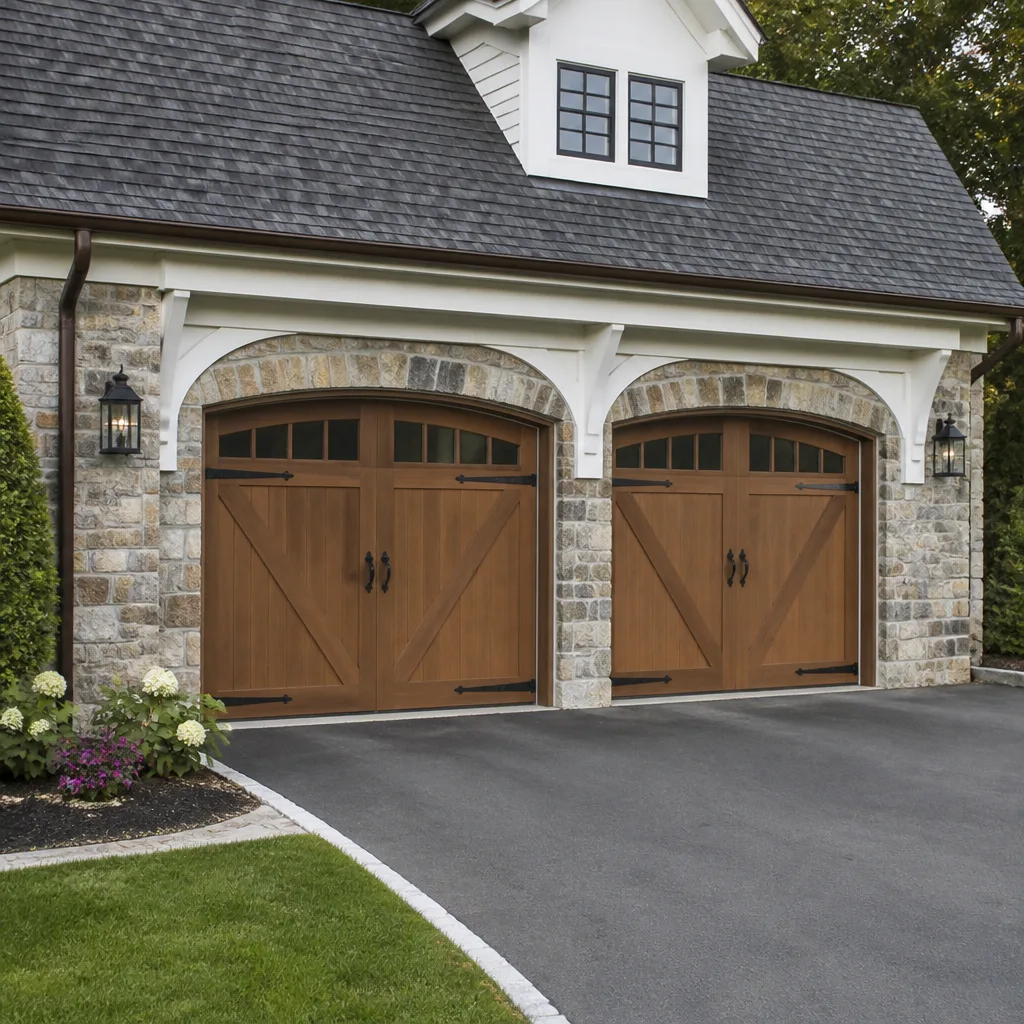 Carriage house
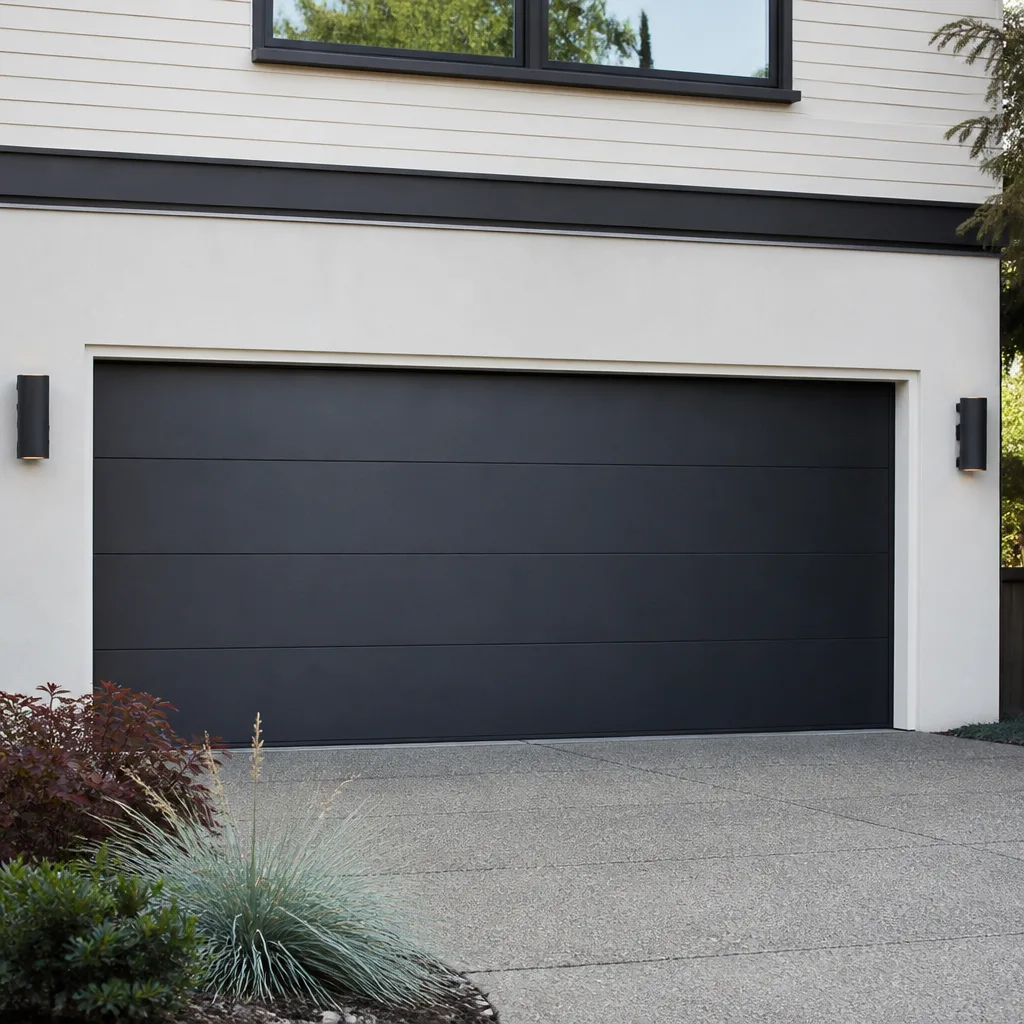 Modern flush
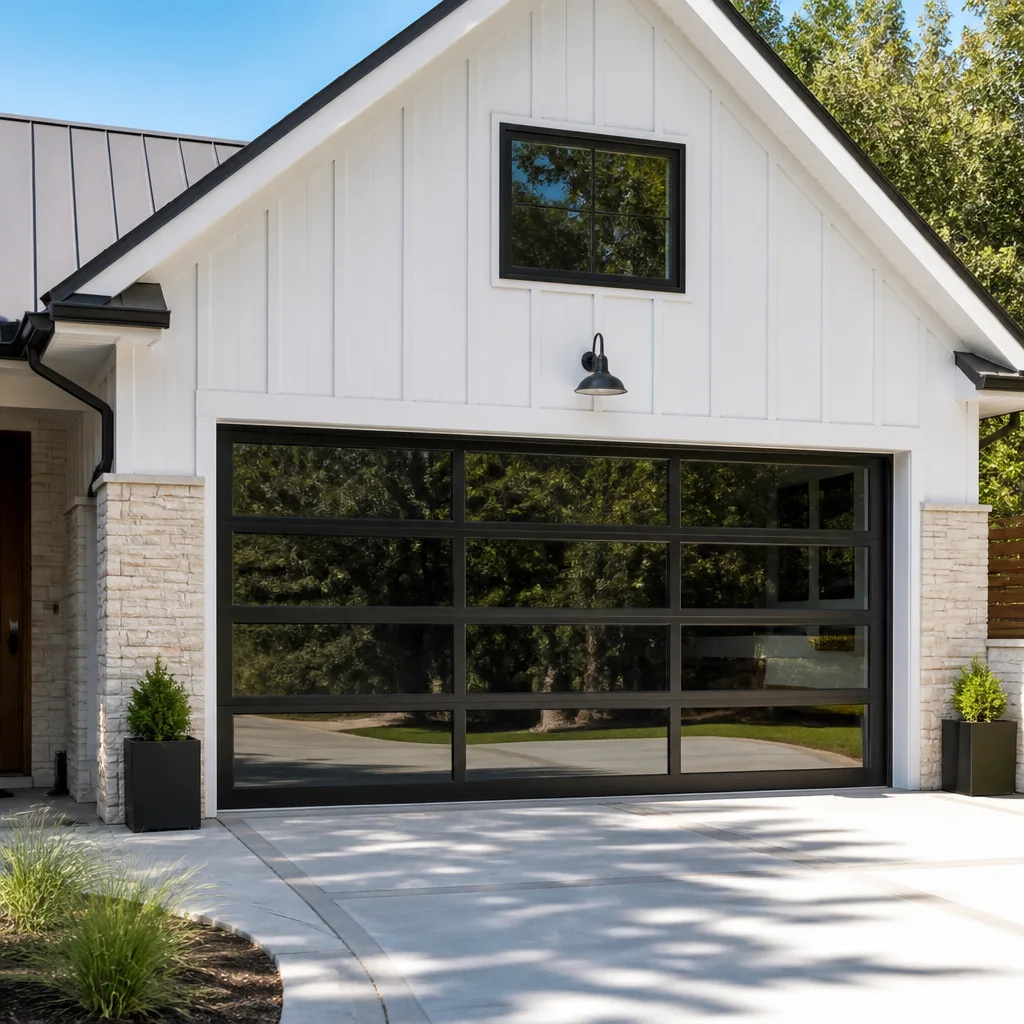 Full-view glass
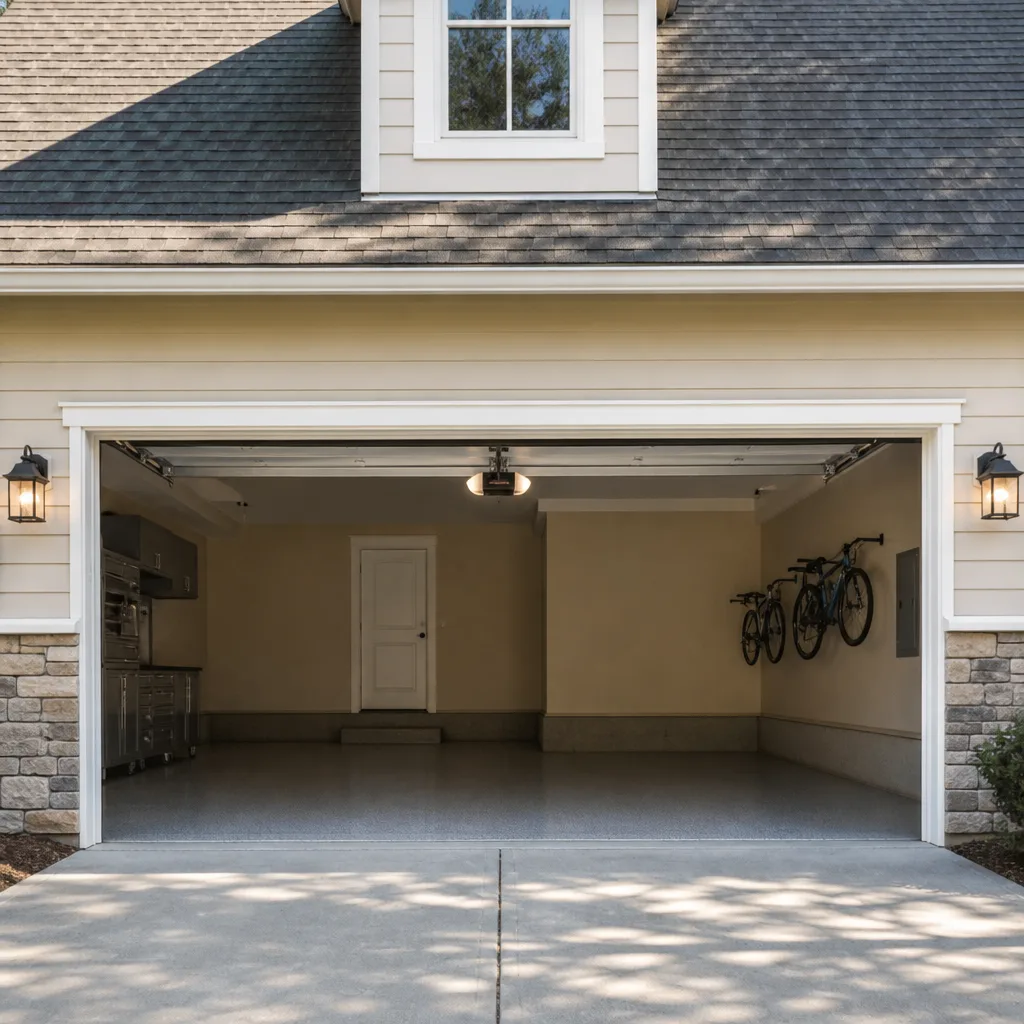 LiftMaster openers
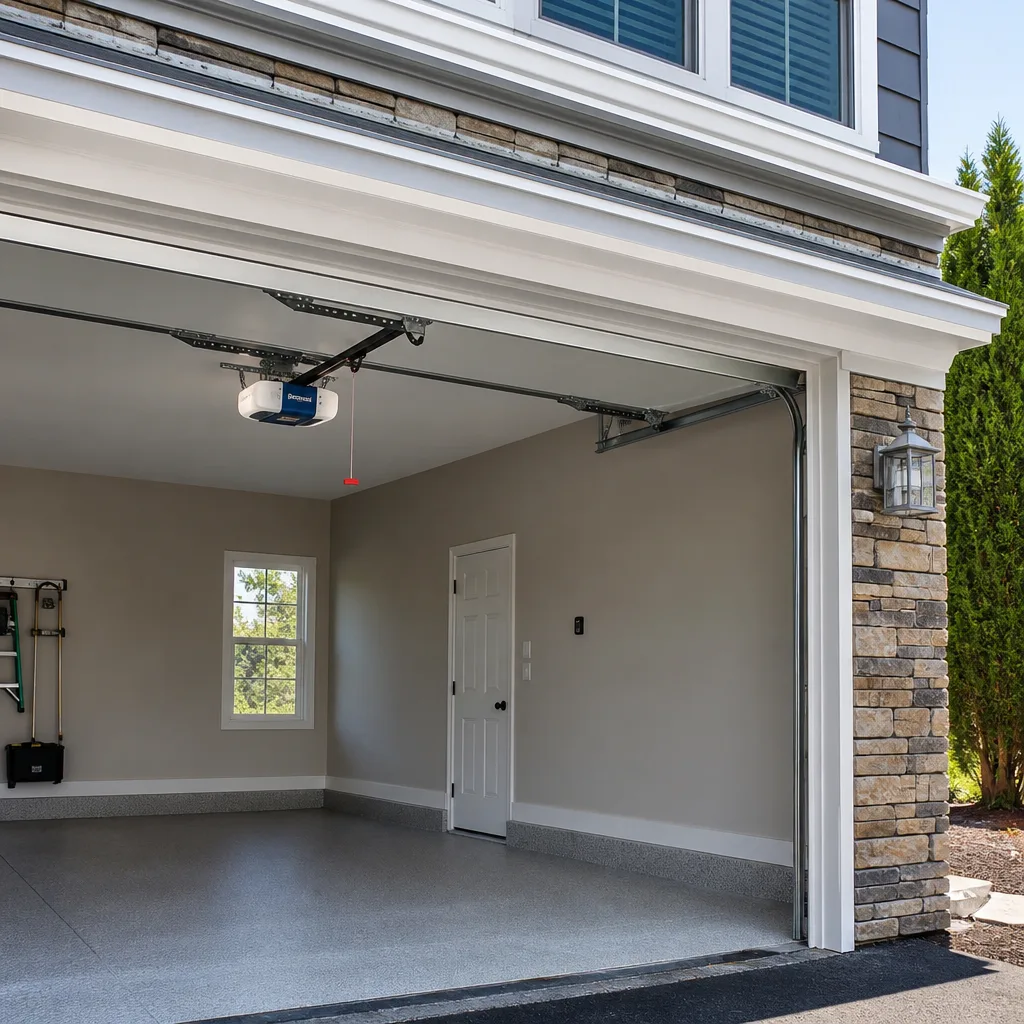 Chamberlain openers
Full 25-point door and opener safety check with every visit - springs, cables, rollers, tracks, and your LiftMaster or Chamberlain opener included
You get a price before we start. It does not change when the truck arrives.
Get your free estimateSeasonal Garage Door Care for Grand Rapids: Year-Round Homeowner’s Guide
Spring is when Grand Rapids garage door shops get slammed. It’s not because spring weather is hard on doors. It’s because everything winter broke quietly finally announces itself when temperatures swing 40 degrees in a week. A torsion spring that developed a hairline fracture in February holds until the first warm afternoon in April, then snaps mid-cycle without warning. This guide walks through what each season actually does to your door, what to check at each transition point, and which tasks prevent the failures we see most often in Grand Rapids neighborhoods like Eastown, Alger Heights, and Kentwood. For a deeper dive, see our The Complete Guide to Garage Door in Grand Rapids.
Quick Answer
Seasonal garage door care in Grand Rapids means treating the year as four distinct handoffs. Fall is for sealing and tightening before freeze-thaw cycles begin. Winter is about working with the cold instead of fighting it. Spring is a damage audit that catches what ice stress left behind. Summer is about humidity and heat management. The single most valuable task you can do annually is have spring tension checked when winter breaks, because tension creep is what turns a $75 adjustment into a $400 spring replacement.
Styles & brands we work with
Table of Contents
- Why Grand Rapids Weather Punishes Garage Doors Differently
- The Spring Damage Audit: What Winter Left Behind
- Summer in West Michigan: Humidity, UV, and Opener Heat
- Fall Preparation: The Three Tasks That Prevent Winter Failures
- Winter Operation: Safe Habits for Cold-Weather Performance
- The One Professional Task That Pays for Itself: Annual Spring Tension Check
- What You Can Do Yourself vs. What Needs a Pro
Why Grand Rapids Weather Punishes Garage Doors Differently
Grand Rapids sits in a climate band that most garage door maintenance guides simply don’t write for. We’re not the Upper Peninsula, where doors freeze solid for four months and stay that way. We’re not Ohio, where winter is a mild inconvenience. We get freeze-thaw cycles that repeat twenty times a winter. Lake Michigan moderates our cold snaps but then dumps lake-effect moisture onto whatever’s exposed. And our springs and falls are transition seasons measured in weeks, not months, with temperature swings that stress metal through repeated expansion and contraction.
What this means practically: your garage door in Grand Rapids endures more thermal cycling than a door in Minneapolis or Chicago. A typical January here sees daytime highs in the 30s and nighttime lows in the teens, sometimes swinging 25 degrees in eight hours. Metal garage doors absorb that thermal stress. Hardware loosens. Weatherstripping cracks when it flexes below freezing after being baked all summer. And the torsion springs, which are under constant tension even when the door is closed, lose a fraction of their strength each year. If you’ve been a homeowner in Grand Rapids for more than five years, you’ve probably heard a neighbor’s spring snap from across the street: it sounds like a gunshot, and it happens most often during spring warm-up.
The Spring Damage Audit: What Winter Left Behind
When the snow melts in Grand Rapids and the streets start clearing in mid-March, walk out to your garage before the temperature climbs. Spring is when winter damage announces itself. Here’s the audit sequence we recommend, in order, taking about fifteen minutes.
- Disconnect the opener and run the door manually. Pull the red release cord and lift the door by hand. It should move smoothly with even resistance. If it’s heavier at the bottom of the track than the top, your springs are likely losing tension. If it binds at any point, check for ice damage to the tracks. Don’t force the door through a bind: that’s how you bend a panel or pop a roller out of its bracket.
- Inspect the torsion spring for gaps or cracks. With the door closed, look at the spring above the door opening. A healthy spring looks like a tightly coiled, continuous piece of steel. If you see a gap, a visible crack, or rust that looks deeper than surface discoloration, call a professional before running the door again. A broken spring under tension can cause serious injury if handled incorrectly.
- Check the cables on both sides. Look where the lift cables attach to the bottom brackets. Fraying, rust, or any strand breakage means replacement. Cables on a Grand Rapids garage door take a beating in winter as they flex through freezing temperatures and carry ice-frozen panel weight.
- Look at the weatherstrip and bottom seal. Run your hand along the bottom seal. If it’s cracked, brittle, or missing chunks, that’s where the winter drafts came from. Same for the side and top weatherstripping. These parts fail gradually, but winter accelerates the damage because the rubber or vinyl loses flexibility below 20 degrees.
- Test the auto-reverse safety function. Place a roll of paper towels or a 2×4 laid flat in the door’s path and close the door. The door should reverse within two seconds of contacting the object. If it doesn’t, the door is out of adjustment and needs professional attention.
In our experience across Grand Rapids, the most common spring discovery is a door that suddenly runs rough after weeks of seeming fine. Homeowners assume the door is failing. Usually it’s accumulated ice damage to rollers, a track knocked out of alignment by freeze-thaw heaving, or a spring that’s quietly losing tension. If you catch these in spring, they’re tuned up in an hour. If you wait until the door stops opening in July, they’re a larger repair. Our The Complete Garage Door Repair Guide for Grand Rapids Homeowners covers what to expect if problems escalate.
Summer in West Michigan: Humidity, UV, and Opener Heat
Summer in Grand Rapids doesn’t get the attention winter does, but it creates its own failure patterns. The two main ones are humidity-related wood movement and opener motor heat stress. West Michigan summer humidity regularly sits above 70 percent, and most Grand Rapids garages aren’t climate-controlled.
Wood door warping is the most visible summer problem. If you have a wood garage door and it’s started binding or showing light gaps at the edges, humidity is the likely cause. Wood absorbs moisture from the air, swells unevenly, and can twist a panel just enough to drag against the weatherstrip or bind in the track. This is also the season when a painted wood door shows its age fastest: temperature swings between hot afternoons and cool evenings cause the wood to expand and contract, and paint that was already compromised starts peeling within weeks. The fix is refinishing before the wood itself starts cracking. A professional can assess whether the door needs planing, hinge adjustment, or full panel replacement.
Vinyl weatherstrip degradation is less noticed but equally real. The bottom seal that survived winter often gets brittle under summer UV exposure. Vinyl doesn’t recover: once it’s cracked from winter flexing, summer sun hardens it further. If your bottom seal looks like a piece of old garden hose split lengthwise, summer is the cheapest time to replace it. You’re not competing with emergency winter calls, and the part itself is inexpensive.
Opener heat thresholds matter more than most Grand Rapids homeowners realize. Garage door openers have thermal overload protection: when the motor gets too hot, it shuts off for fifteen to thirty minutes. On a 90-degree summer day with the garage door closed and the sun baking the roof, the ambient temperature inside a garage can reach well into the low 100s. That’s within spitting distance of the thermal limit for older LiftMaster and Genie openers, especially belt-drive models that generate more internal heat. If your opener worked fine in the morning but won’t respond in mid-afternoon heat, it may be a thermal overload, not a mechanical failure. Let the motor cool down, then test it. If it works when cool but trips when hot, the logic board or motor may need attention from an opener repair specialist. We repair openers from LiftMaster, Chamberlain, Genie, and Craftsman regularly for exactly this issue.
Fall Preparation: The Three Tasks That Prevent Winter Failures
Fall is when you set up your door to survive what’s coming. In Grand Rapids, that means preparing for freeze-thaw cycling, lake-effect moisture, and the mechanical strain of a door that runs in sub-zero temperatures. Here are the three tasks that matter most, in order of importance.
- Replace damaged weatherstripping and bottom seals now. The parts are flexible and easy to work with in September and October. Waiting until December means installing vinyl that’s already stiff from cold, which is how installers tear it. If your bottom seal has any cracks, replace it before Halloween. If your side weatherstripping is pulling away from the frame, re-nail or replace it now. Every gap in October is a freeze point in January.
- Lubricate moving parts with a garage door-specific lubricant. This applies to rollers, hinges, and the torsion spring. Use silicone-based spray or white lithium grease, never WD-40 (which is a solvent that strips away existing lubrication). Lubricating in fall reduces the metal-on-metal friction that makes a door work harder when temperatures drop. A door that runs quietly in October will run smoother in February.
- Test the door balance and alignment. Disconnect the opener and lift the door halfway. Let go. A properly balanced door stays in place. If it drops, the springs are losing tension and the door will work harder (and fail sooner) under winter load. If it rises, springs are over-tensioned. Either condition is a sub-$200 adjustment now versus a potential spring replacement when a frozen component pushes the system over the edge in winter.
These three tasks are what separate a Grand Rapids garage door that runs all winter from one that calls it quits during the first hard freeze. And if you’re not comfortable doing any of them yourself, a professional fall tune-up is typically an hour of labor.
Winter Operation: Safe Habits for Cold-Weather Performance
Winter in Grand Rapids is when the phone rings. Not because doors inherently fail in the cold, but because homeowners compound small problems by forcing doors that don’t want to move. Here’s how to work with the cold instead of against it.
If your door won’t close on a freezing day, the most common cause is ice buildup at the bottom seal or in the track. The door’s auto-reverse senses the obstruction and goes back up. The correct response is to clear the ice: break it up at the bottom of the door, check the track for frozen moisture, and try again. The incorrect response, which we see with regularity, is to keep pressing the remote until the door forces its way through the ice. That’s how you bend a track, strip gear teeth in the opener, or tear the bottom seal free of its channel. If the door still won’t close after you’ve cleared visible ice, there may be ice in the spring or on the cable drum. That’s a call to a professional.
Don’t continually open and close the door to “keep it working.” Some Grand Rapids homeowners run the door every few hours on very cold days, believing this prevents freezing. It doesn’t. What it does is put additional cycles on the opener and springs, and on the coldest days it can actually make things worse by warming the track slightly (from friction) and then re-freezing the moisture when the door sits. Open the door when you need it, close it when you don’t.
If your door is slow in extreme cold, that’s not necessarily a problem. Cold grease and thickened lubrication slow everything down, including springs and rollers. But if the door hesitates, reverses, or stops mid-travel, don’t keep trying. Disconnect the opener and run the door manually to identify where the resistance is. A door that won’t lift manually in the cold has a mechanical issue, not an opener issue.
Never disable the auto-reverse to force a door to close. This is the single most dangerous thing a homeowner can do in winter. The auto-reverse is what protects people and pets from being trapped under a closing door. If the door won’t close because of ice or obstruction, the answer is clearing the obstruction, not bypassing safety. We can’t state this strongly enough: a garage door under spring tension can crush or kill. No home repair shortcut is worth that risk.
The One Professional Task That Pays for Itself: Annual Spring Tension Check
Springs are the component most Grand Rapids homeowners never think about until they break. But torsion springs don’t usually fail all at once from a single event. They fail from fatigue: millions of cycles, each one slightly degrading the steel, until the accumulated stress reaches a breaking point. Winter accelerates this fatigue because cold steel is more brittle and less forgiving.
The one annual professional task that pays for itself is a spring tension check after winter breaks. Here’s what it involves and why it’s worth the cost. A technician measures the tension by counting the number of quarter-turns on the spring and compares it to the manufacturer’s specification for your door’s weight and height. Over time, springs settle and lose a fraction of their tension. When the tension drops too low, the opener has to work harder to lift the door. That extra strain shortens the opener’s lifespan and puts additional wear on cables, rollers, and hinges. Eventually, the weakened spring snaps, often while the door is opening or closing, and the door either locks in place or crashes down if a cable fails simultaneously.
In Grand Rapids, the failure pattern is predictable: most spring failures happen in spring, when temperatures swing and the metal expands and contracts under load. Catching tension creep before it becomes a snapped spring typically means a $75 to $150 adjustment instead of a several-hundred-dollar spring replacement. And when a spring breaks, it’s not a do-it-yourself repair. Torsion springs are under enough tension to cause serious injury to anyone who doesn’t have the right tools and training. If you hear a loud bang from your garage, or the door suddenly stops working with a visible gap in the spring, call a certified garage door technician in Grand Rapids right away. Most homes in this area run either a single torsion spring or a pair, and replacement is a standard professional service.
What You Can Do Yourself vs. What Needs a Pro
Some seasonal garage door maintenance in Grand Rapids is genuinely DIY-friendly. Other tasks carry risk that makes professional help the only smart choice. Here’s the honest split.
Safe to do yourself:
- Visual inspection of springs, cables, rollers, and weatherstrip (look but don’t touch springs under tension)
- Lubrication of rollers, hinges, and the torsion spring with silicone spray
- Replacement of bottom seals and weatherstripping (some models are trickier than others, but most homeowners can manage it)
- Clearing ice from the door bottom and track with warm water or gentle scraping
- Testing the auto-reverse safety function
- Tightening loose bolts on hinges, brackets, and track mounts
Call a professional for:
- Any work on torsion springs: adjustment, replacement, or tension diagnostics. The risk of injury is high enough that no savings justifies doing it yourself.
- Cable repair or replacement. Cables work in concert with the springs and carry the same energy load.
- Track realignment or major track repair. A door off its track is under uneven tension and unpredictable.
- Opener motor or logic board issues. Opener repair is its own discipline: diagnosing a LiftMaster main drive gear versus a Genie logic board fault versus a Chamberlain sensor misalignment requires experience and sometimes test equipment.
- Replacing a full door or multiple panels. New door installation involves weight calculations, spring matching, and alignment work that’s beyond the scope of homeowner tools.
If you’re in Grand Rapids and not sure whether a task is safe, the call costs nothing. Sunshine Garage Door Service offers free estimates throughout the Grand Rapids area, and we’d rather talk you out of a dangerous DIY project than hear you tried one and got hurt. Browse our more guides & resources for additional seasonal tips. Our technicians are certified on the eight brands most commonly installed in West Michigan: LiftMaster, Chamberlain, Genie, and Craftsman openers, plus Clopay, Amarr, Wayne Dalton, and Raynor doors.
Common Mistakes to Avoid
- Using WD-40 as a garage door lubricant. WD-40 is a penetrating solvent, not a lubricant. It displaces moisture and strips away existing grease, leaving moving parts drier than before. Use silicone spray or white lithium grease on rollers, hinges, and springs.
- Ignoring a slow door in winter. A Grand Rapids garage door that runs noticeably slower in January is telling you something. It may be a spring losing tension, thick grease, or ice in the track. Waiting until it stops completely turns a minor issue into an emergency call.
- Forcing the door through ice. When the door won’t close because of ice at the seal, clearing the ice is the fix. Holding down the opener button until the motor muscles through it is how tracks get bent and gear teeth get stripped.
- Skipping fall weatherstripping replacement. A cracked bottom seal in October becomes a sheet of ice in January. The part itself costs very little, and October installation is dramatically easier than January installation.
- Disabling the auto-reverse to make the door close. This is the most dangerous mistake on this list. The auto-reverse is a life-safety device. If your door won’t close, the obstruction is the problem, not the safety mechanism.
- Assuming all garage door companies work on all brands. This matters more in Grand Rapids than homeowners expect. Most companies specialize in a few brands they know well. At Sunshine Garage Door Service, we work on the brand you already have, whether that’s a Wayne Dalton door with a LiftMaster opener or an Amarr door with a Genie drive. A technician who guesses at an unfamiliar system spends more time diagnosing and may recommend replacement parts that aren’t actually needed.
- Replacing an opener when the door itself is the problem. A door that’s hard to lift manually because of spring or track problems will burn out a new opener within a year or two. When an opener fails, the sensible sequence is to check the door’s mechanical condition before buying a new drive unit. That’s why we treat opener repair as a named service, not an add-on: the diagnostic path matters.
See the difference
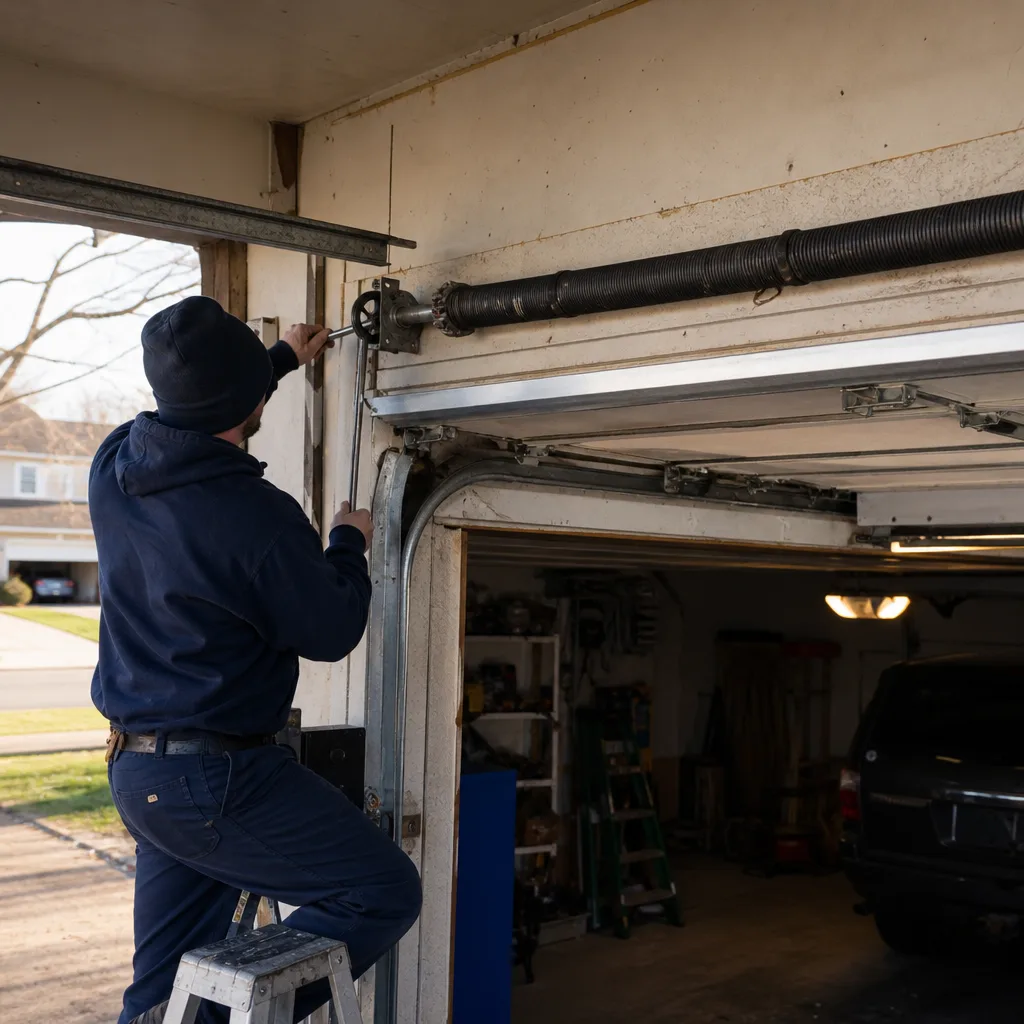 Before
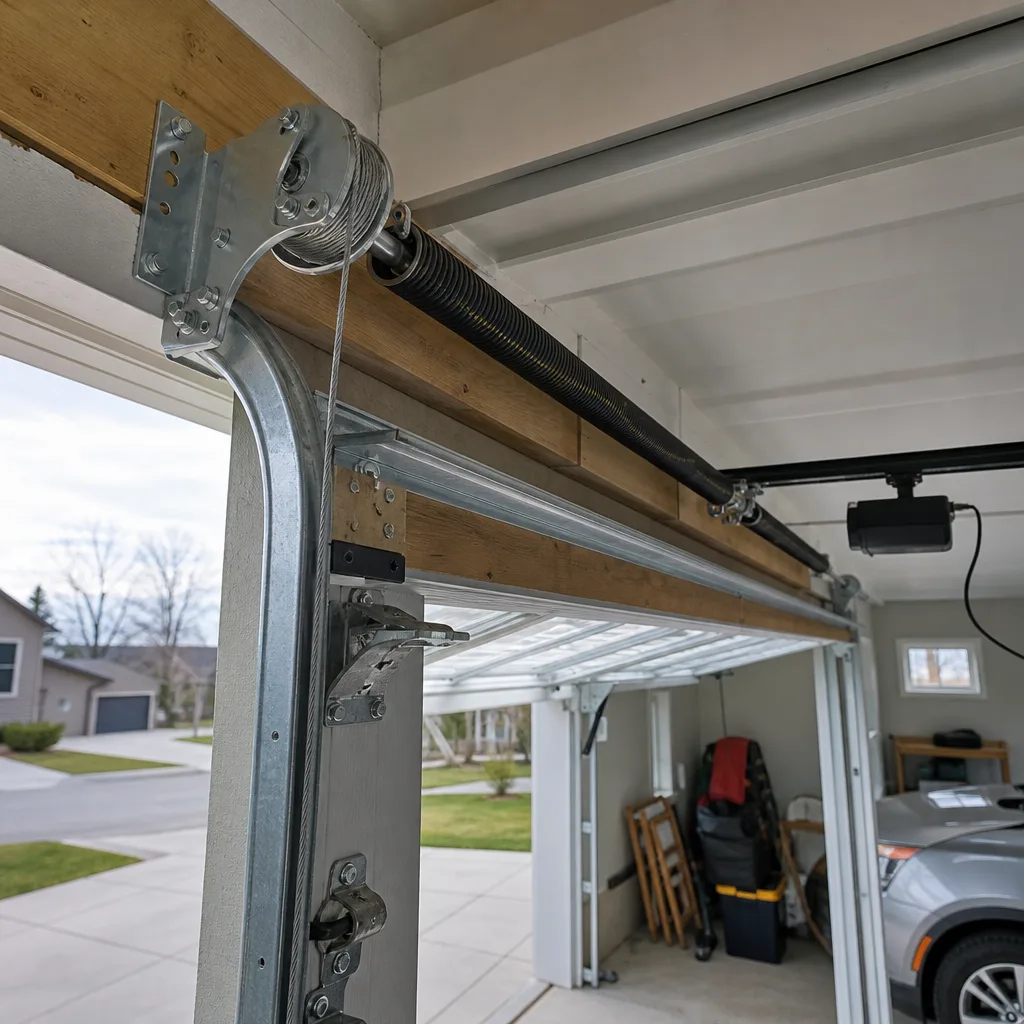 After
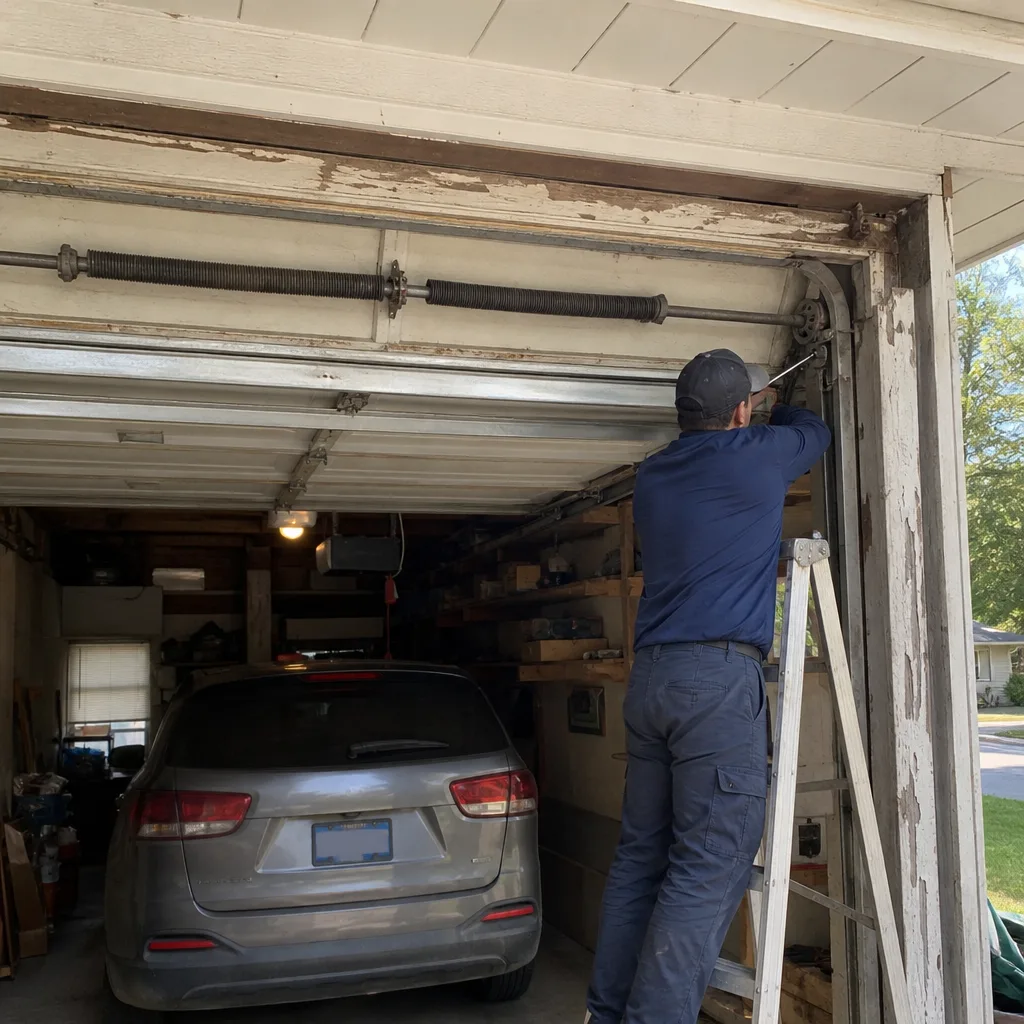 Before
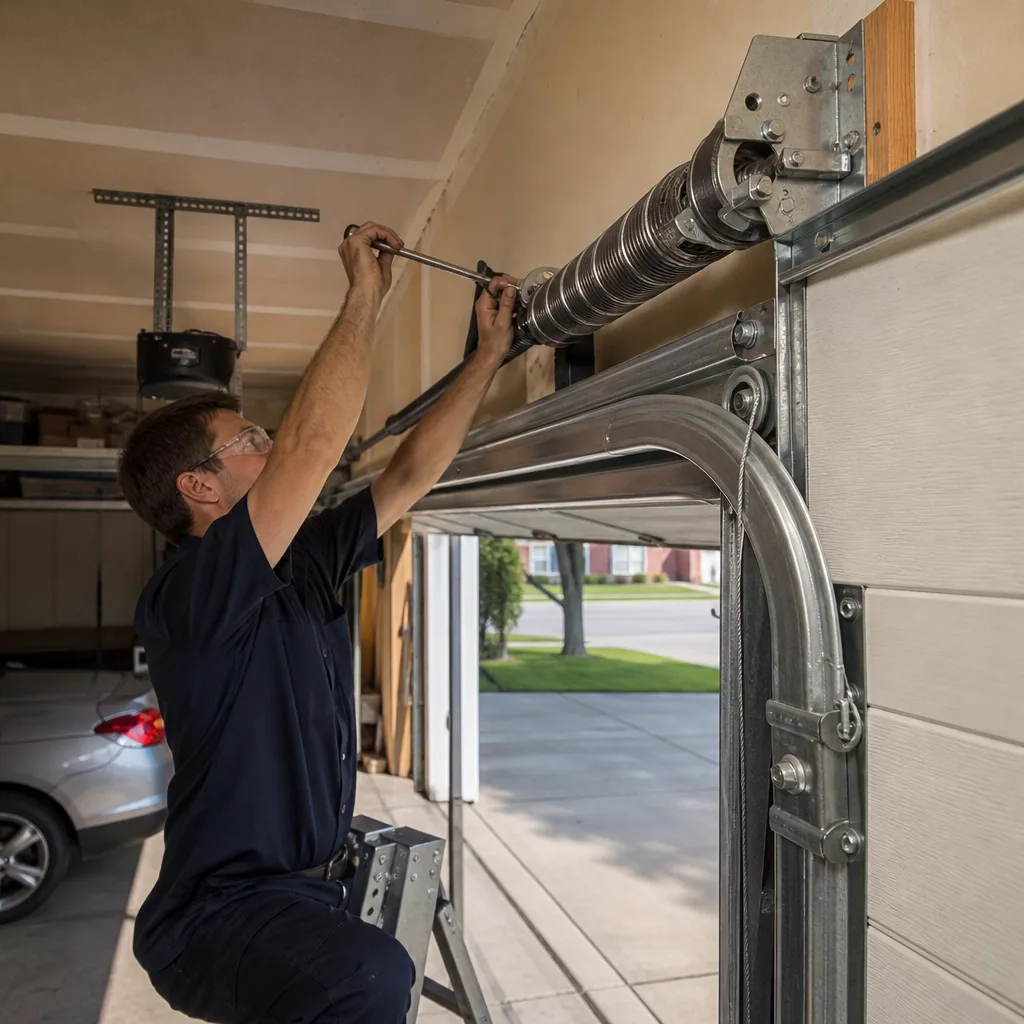 After
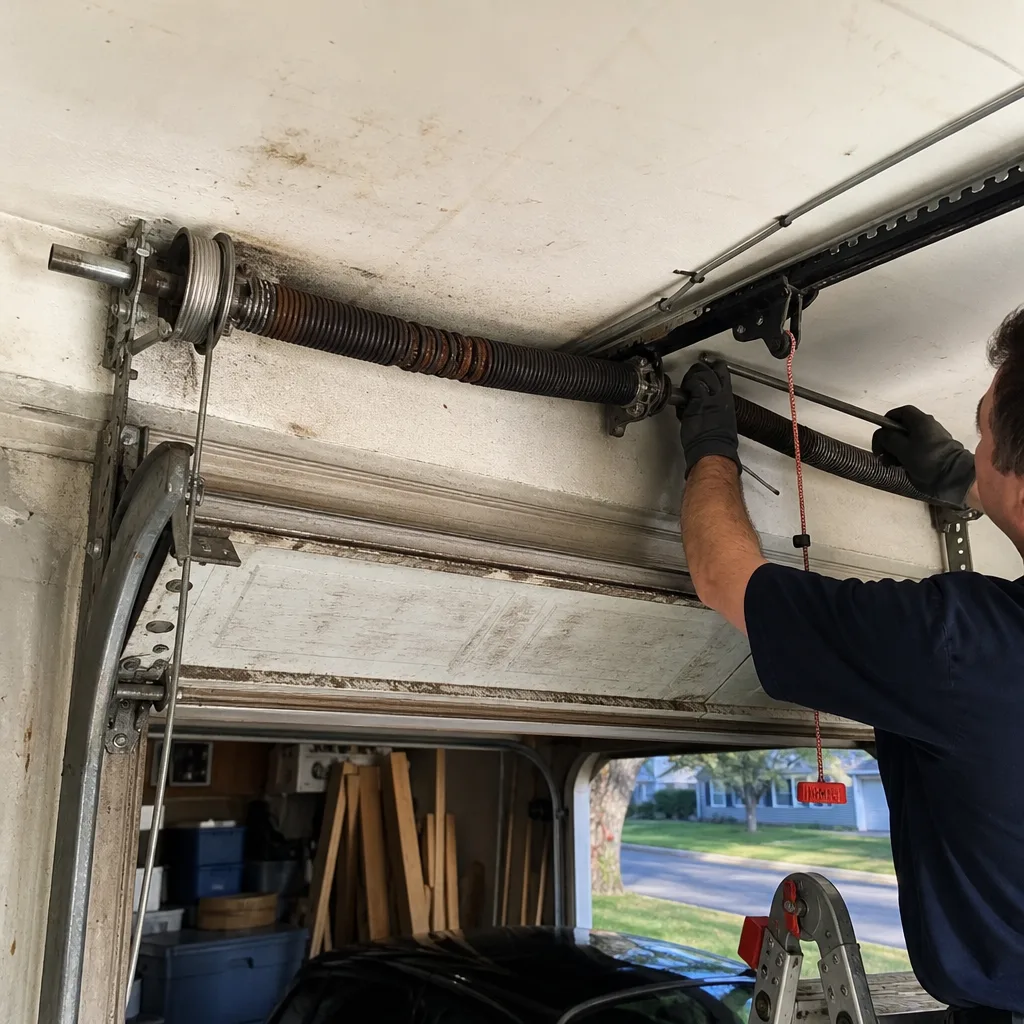 Before
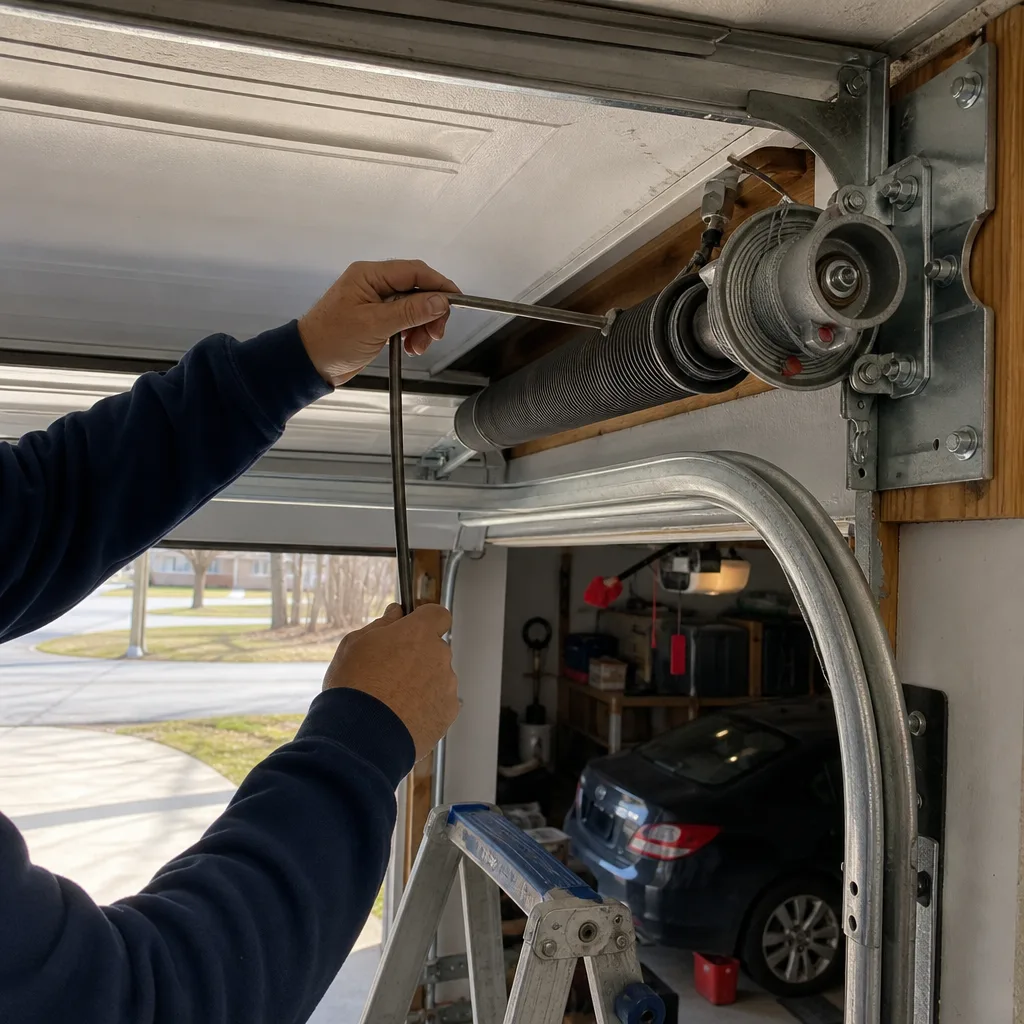 After
When to Call a Professional
Call a professional any time the issue involves a spring, a cable, a track off its path, or an opener that’s making noises it didn’t make last year. A snapped spring sounds like a gunshot and the door will feel dangerously heavy if you try to lift it manually. A frayed cable is a spring failure waiting to happen, and it can whip loose with enough force to cause serious injury. An opener that grinds, hums without moving, or trips its thermal overload repeatedly is telling you the motor or gears are failing. For any of these, a certified technician can assess the system and repair it safely. Sunshine Garage Door Service offers free estimates in Grand Rapids, and our technicians arrive with the brand knowledge to diagnose quickly. Call (866) 491-7155. We serve Grand Rapids and the surrounding West Michigan area, including Garage Door Repair in Kentwood, where many of our customers live just minutes from our regular service routes.
Frequently Asked Questions
Garage door spring replacement in Grand Rapids typically runs between $200 and $400 for a standard torsion spring replacement, including parts and labor. Not sure which brand to choose when replacement is needed? Read our Choosing the Right Garage Door Brand: A Buyer’s Guide for Grand Rapids. The exact price depends on the door’s weight and whether you have one or two springs. If the door has two springs and only one has broken, most reputable companies recommend replacing both: they’ve accumulated the same number of cycles and the second one is likely to fail soon after. Call (866) 491-7155 for an exact quote on your specific door. Estimates are free.
You should lubricate your garage door every six months in Grand Rapids, ideally once in spring and once in fall. The fall lubrication matters more because it carries through the winter, when cold temperatures thicken existing grease and increase friction on all moving parts. Use silicone-based spray or white lithium grease on rollers, hinges, and the torsion spring. Never use WD-40.
You should not repair a garage door spring yourself. Torsion springs are under enough tension to cause severe injury or death if released improperly. The work requires specific winding bars, training, and experience. Grand Rapids homeowners have been hurt attempting this repair, and the cost of professional replacement is far less than the cost of an emergency room visit. This is the one garage door task where DIY is never the right call.
Your garage door opener likely stops working on hot days because its motor is hitting the thermal overload threshold. Most openers, including LiftMaster, Chamberlain, Genie, and Craftsman models, have built-in temperature sensors that shut the motor off when it gets too hot to prevent permanent damage. On a 90-degree Grand Rapids summer day, a non-climate-controlled garage can reach well over 100 degrees, and the opener’s internal temperature climbs even higher during operation. If the opener runs fine in the morning but dies in afternoon heat, let it cool for 30 minutes and try again. If the problem recurs frequently, the opener may need professional evaluation.
If your garage door freezes shut, break up the ice at the bottom seal and along the track using warm water or gentle scraping. Don’t pour boiling water on frozen components: the thermal shock can crack plastic parts and make rubber seals brittle. Once you’ve cleared the ice, try opening the door manually (disconnect the opener first) before using the remote, so you can feel whether the door is moving freely. If it’s still frozen after clearing visible ice, the problem may be ice in the spring or on the cable drum, which requires professional attention. Call (866) 491-7155 for service in the Grand Rapids area.
We work on LiftMaster, Chamberlain, Genie, and Craftsman openers, and we service Clopay, Amarr, Wayne Dalton, and Raynor doors. That covers the overwhelming majority of garage door systems installed in Grand Rapids homes built since the 1980s. If your opener brand isn’t on this list, call us anyway: in many cases we can still diagnose the problem and recommend the right repair path. Opener repair is a named service for us because it’s genuinely different from door repair: the electronics, motor diagnostics, and gear train work require a separate skill set. When you call Sunshine Garage Door Service, you’re talking to technicians who know your specific system, not a generalist guessing at it. See our Garage Door Opener Repair in Kentwood page for details.
The Bottom Line
Your garage door in Grand Rapids is a system under constant physical stress from a climate that doesn’t give it a break. Freeze-thaw cycles fatigue springs. Lake-effect moisture accelerates rust and shortens hardware life. Summer humidity warps wood and pushes openers toward thermal limits. And every season hands off its damage to the next one. The homeowner who does a spring audit, prepares in fall, and operates smartly in winter will get years more life from the same door. The homeowner who ignores the handoff protocol joins the queue of Grand Rapids residents calling for emergency repairs during the first warm week of April. Your call: an hour of prevention, or a day of replacement. Sunshine Garage Door Service is at Sunshine Garage Door Service home for everything from a tension check to a full Garage Door Installation in Kentwood, and our free estimates keep the decision easy. Call (866) 491-7155.
Written by the team at Sunshine Garage Door Service, serving Grand Rapids since 2013.