
Last updated October 31, 2026
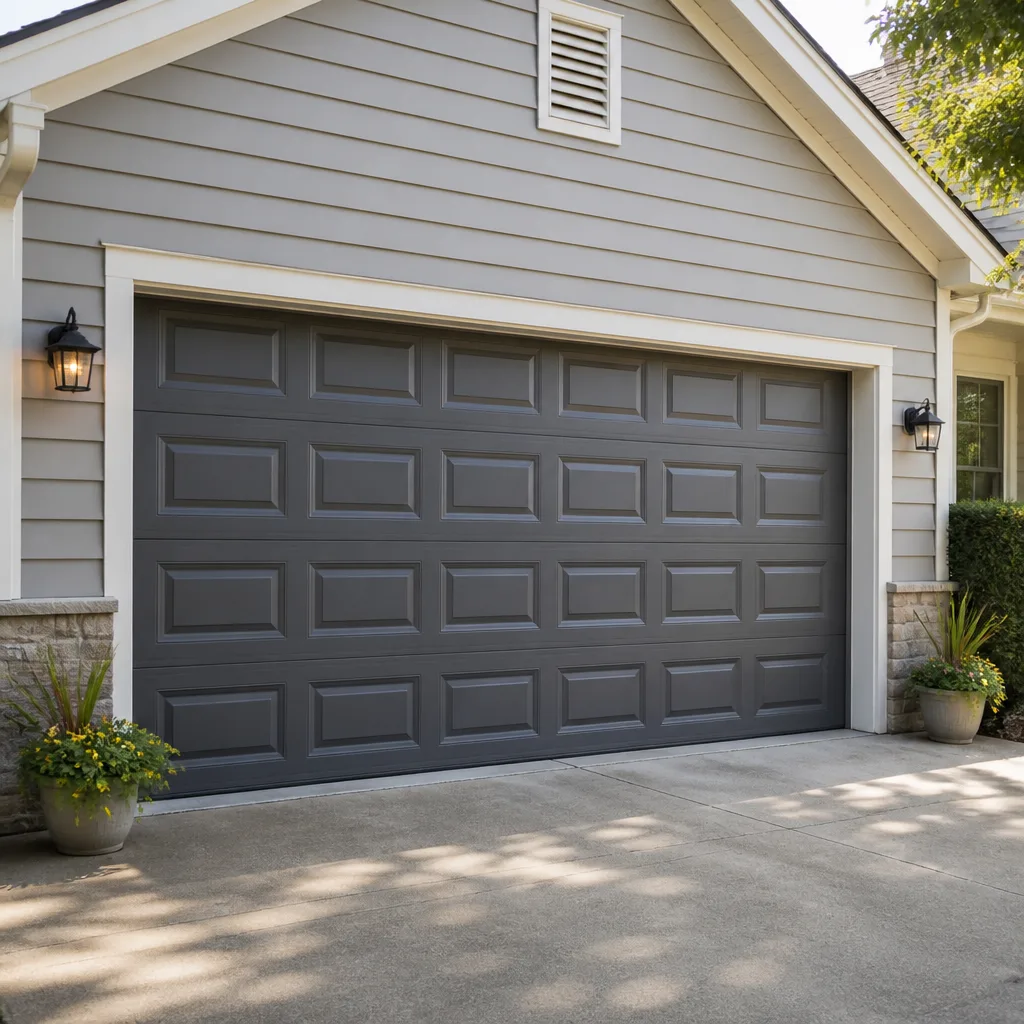 Raised-panel steel
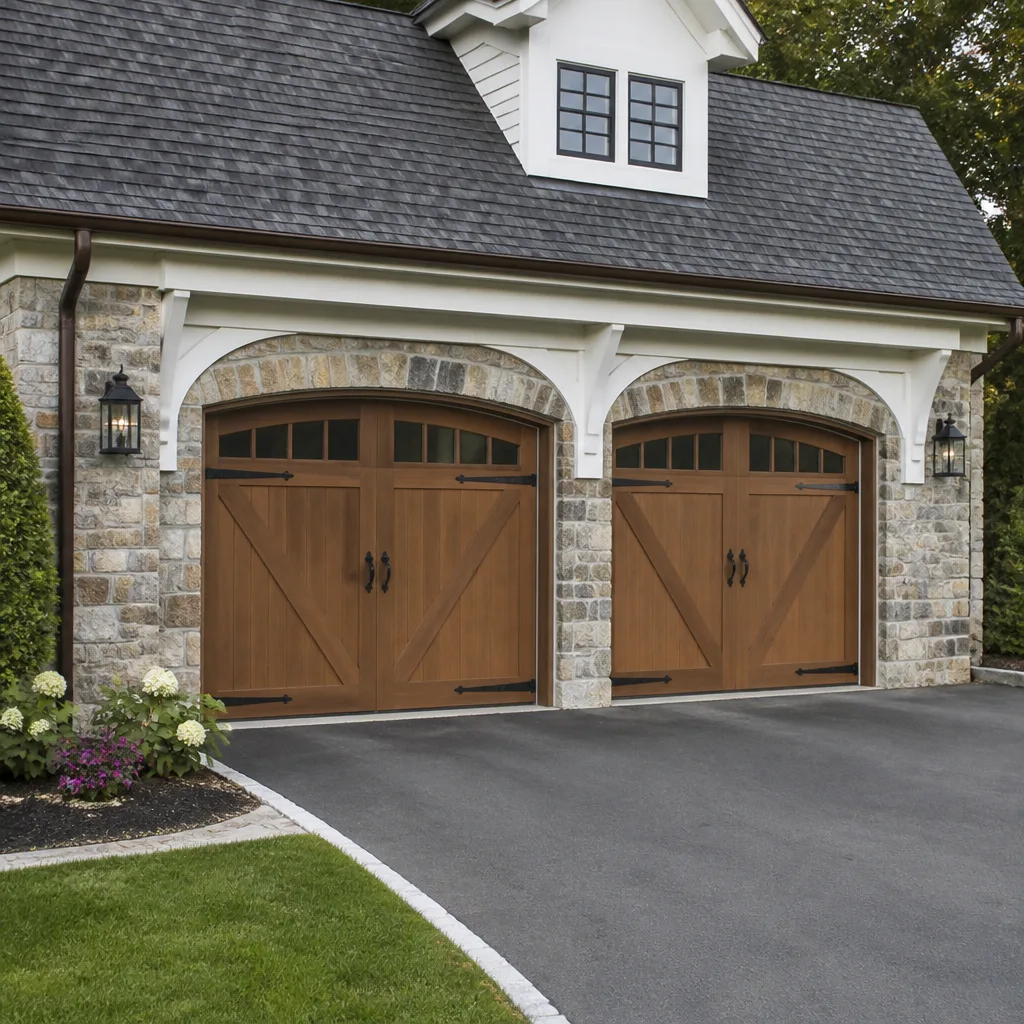 Carriage house
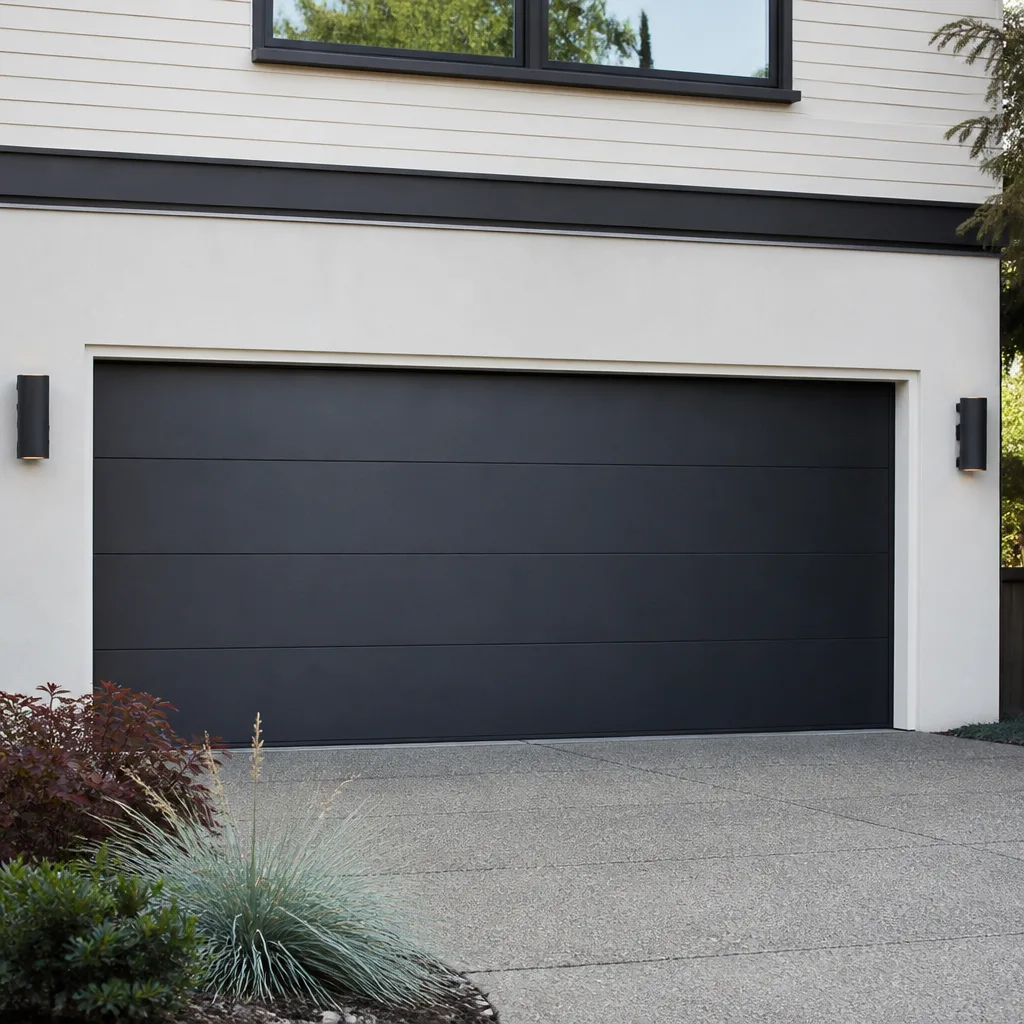 Modern flush
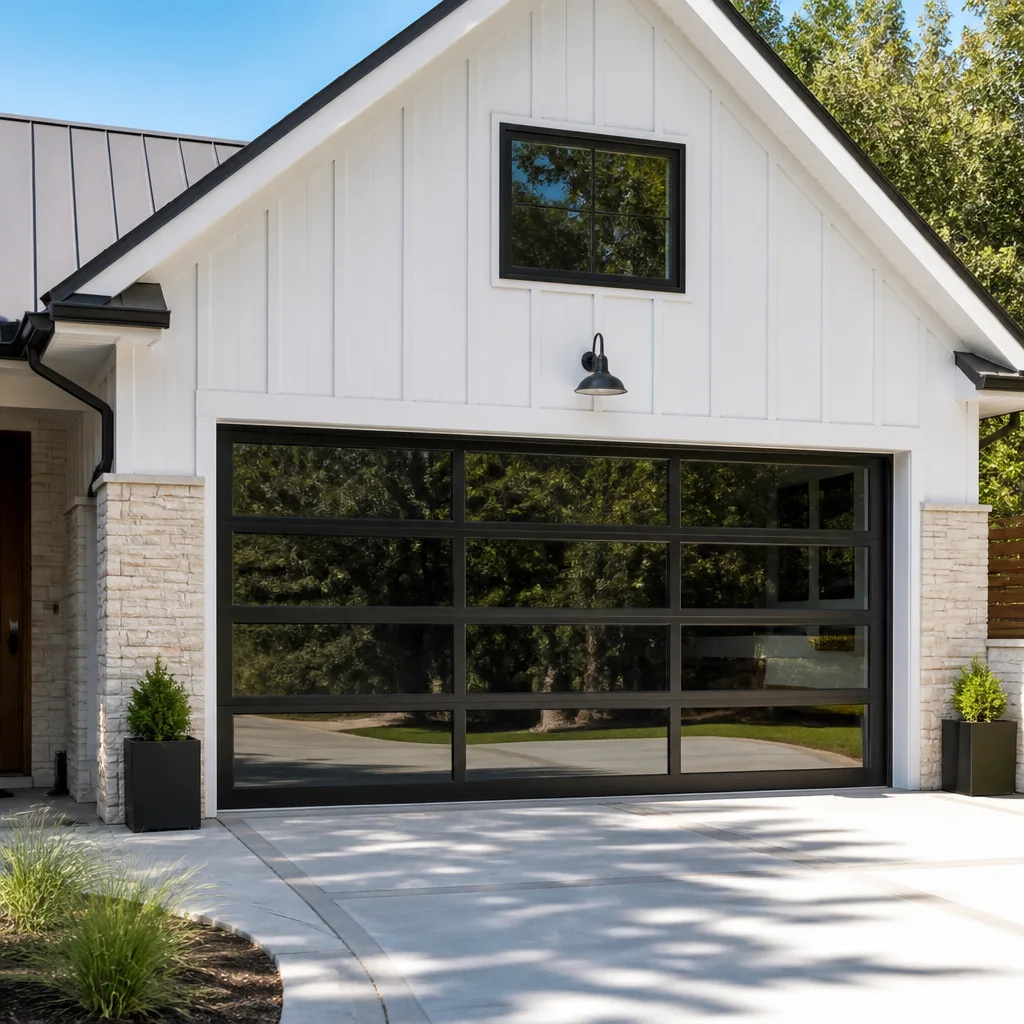 Full-view glass
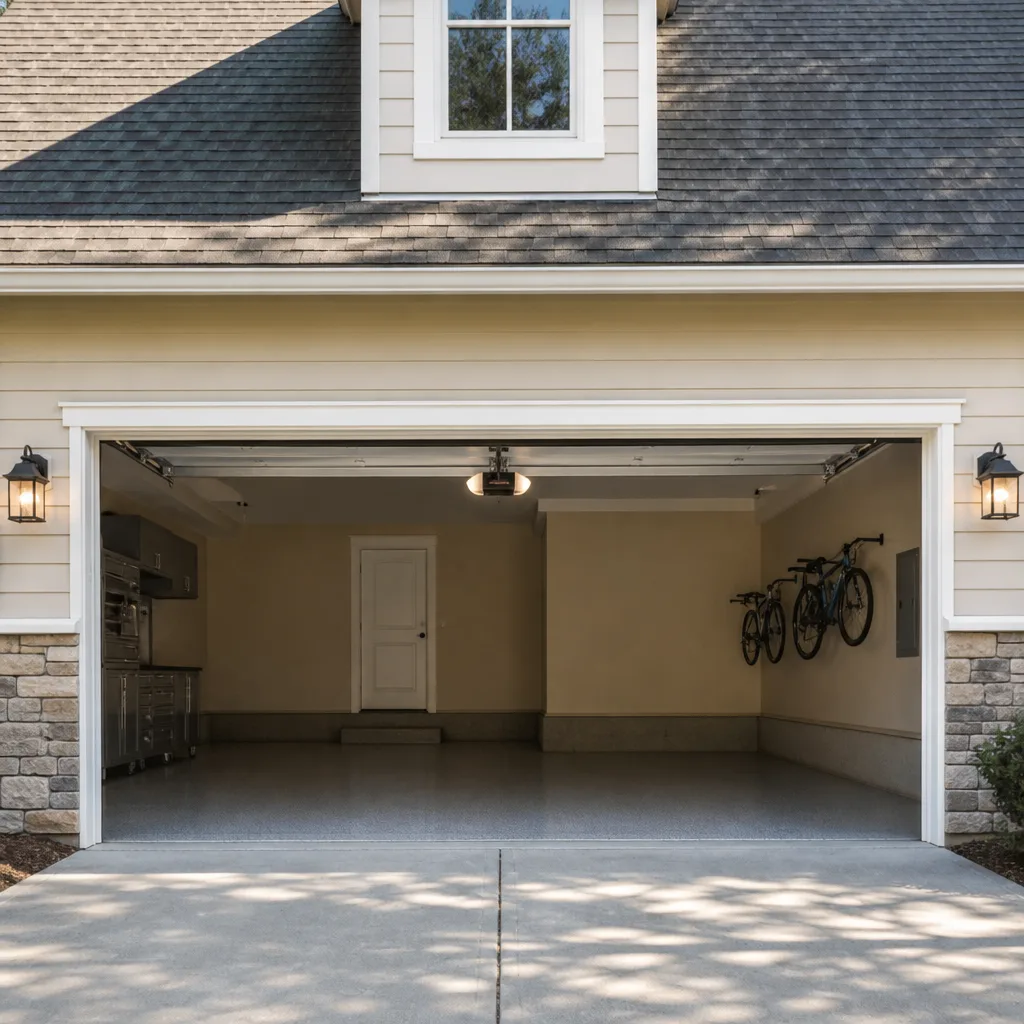 LiftMaster openers
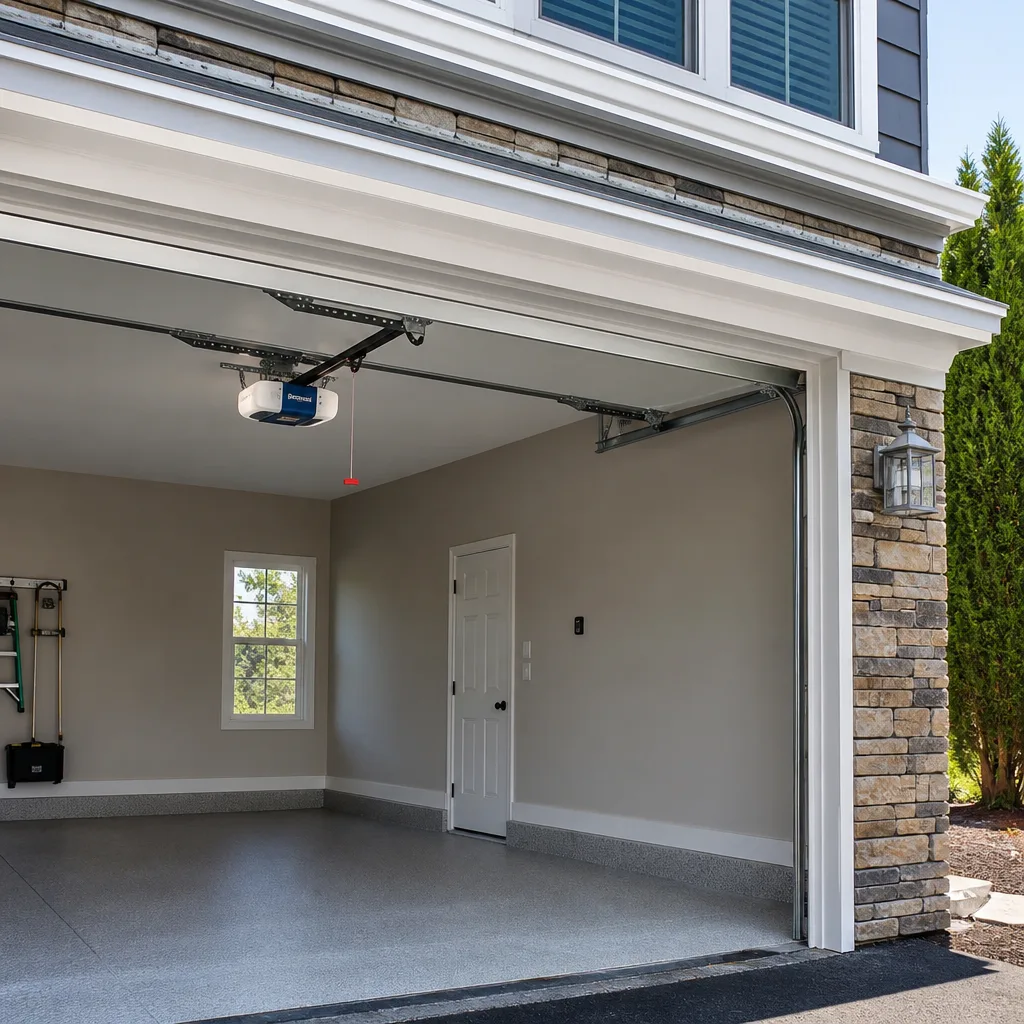 Chamberlain openers
Full 25-point door and opener safety check with every visit - springs, cables, rollers, tracks, and your LiftMaster or Chamberlain opener included
You get a price before we start. It does not change when the truck arrives.
Get your free estimateThe Complete Garage Door Repair Guide for Grand Rapids Homeowners
A torsion spring under tension holds roughly 200 pounds of stored energy. When it snaps, that energy releases in a fraction of a second. The metal bar a homeowner uses to wind or unwind the spring can become a projectile. Yet hardware stores throughout Grand Rapids sell spring replacement kits with no safety warning on the box, no torque specs, and no mention that getting the winding wrong can send you to the emergency room. This guide exists to draw the line your door’s manual never bothered to draw: which repairs a careful Grand Rapids homeowner can handle on a Saturday morning, and which ones require Garage Door Repair by a trained technician with the right tools, training, and respect for the equipment. By the time you finish reading, you’ll know how to diagnose the most common garage door failures, understand how West Michigan’s climate specifically punishes your door, and recognize exactly when to pick up the phone instead of a wrench.
Quick Answer
Garage door repair in Grand Rapids means diagnosing whether the problem is mechanical (springs, cables, rollers, tracks) or electronic (opener, sensors, circuit board, remote). Mechanical work on high-tension components like torsion springs and lift cables is dangerous for DIY and should always be handled by a trained professional, while homeowners can safely manage some maintenance and minor fixes like sensor realignment, lubrication, weather seal replacement, and remote reprogramming. The freeze-thaw cycles, lake-effect humidity, and road-salt exposure unique to West Michigan mean Grand Rapids doors need seasonal attention that generic national guides never mention. For local context, see The Complete Guide to Garage Door in Grand Rapids.
Styles & brands we work with
Table of Contents
- DIY or Call a Pro: The Decision Tree
- How Grand Rapids Weather Attacks Your Garage Door
- Springs, Cables, and Tension: The Dangerous Stuff
- Opener Repair: Electronics Most Homeowners Can’t Diagnose
- Brand-Specific Quirks in Grand Rapids Homes
- What a Repair Quote Should Include (and Red Flags)
- Seasonal Maintenance Timeline for Michigan’s Four Seasons
- Common Mistakes to Avoid
- When to Call a Professional
- Frequently Asked Questions
DIY or Call a Pro: The Decision Tree
Every garage door problem in Grand Rapids falls into one of three buckets: safe to fix yourself, risky if you try, or genuinely dangerous. Here’s how to place your issue in the right bucket before you touch anything.
Safe for a Careful Homeowner
- Misaligned photo-eye sensors: The small sensors near the bottom of each track. If your door reverses immediately or won’t close, a bent bracket, loose wiring, or accumulated grime is often the culprit. This is a five-minute fix with a screwdriver and a level.
- Remote or keypad not working: Dead batteries, lost programming, or a faulty wall button. Reprogramming instructions are in your opener manual, and every major brand publishes video walkthroughs.
- Worn bottom weather seal: You’ll see daylight under the door in winter or water seeping in during spring thaw. Replacement seals cost under $40 at Grand Rapids hardware stores and slide into the existing channel.
- Noisy-but-functional door: Squeaks and grinding sounds usually mean the rollers, hinges, or spring coils need lubrication. A spray can of garage door lubricant and a rag solve most of this.
- Loose hardware from vibration: Bolts and brackets work loose over time, especially on doors that cycle twice daily during Michigan winters. Tightening them takes a socket set and 20 minutes.
Risky if You Try
- Replacing extension springs: These run along the horizontal tracks on older doors. They’re under less tension than torsion springs but still dangerous when stretched. The safety cables that should run through them are often missing on 20-year-old Grand Rapids homes.
- Replacing rollers in the bottom brackets: The bottom roller brackets are attached to the lift cables. Removing them without securing the cables properly releases tension unpredictably.
- Adjusting track alignment: Tracks that are slightly out of square can cause binding. But prying on tracks while the door is connected to tensioned springs risks popping the door off its track completely.
Dangerous. Do Not Attempt.
- Torsion spring replacement or adjustment: The spring mounted above your door opening holds hundreds of pounds of torque. The winding bars used to adjust it can slip and become projectiles. This is the single most common cause of serious garage-door-related injury. Always call a professional.
- Lift cable replacement: Cables attach to the bottom of the door and coil around drums at the top. If a cable snaps while you’re working on it, the door can drop suddenly. The cable itself can also lash under tension.
- Removing or resetting a door that’s come off its tracks: A door resting partially on one track while still connected to springs is a loaded trap. The right sequence matters, and the right sequence requires experience.
We’ve repaired doors in neighborhoods across Grand Rapids where homeowners attempted a torsion spring replacement with a pair of screwdrivers. The result is never good. If your issue falls into the dangerous bucket, call a professional. The money you save doing it yourself won’t cover the medical bills if it goes wrong.
How Grand Rapids Weather Attacks Your Garage Door
National garage door guides treat weather as a footnote. In West Michigan, weather is the whole story. Grand Rapids endures four distinct seasons, each with a specific failure mode for overhead doors. Understanding these patterns helps you anticipate problems before they strand your car in the driveway on a February morning.
Winter Freeze-Thaw Cycles: The Cable and Seal Killer
Grand Rapids regularly swings between single-digit overnight temperatures and daytime highs in the 30s or 40s. This freeze-thaw cycle does two things to your door. First, moisture seeps into the bottom seal, freezes, expands the rubber, and gradually tears it away from its channel. Once the seal is compromised, cold air and road spray work their way under the door and into the garage. Second, the metal cables that lift your door contract and expand with each temperature swing. Over a single winter, that’s roughly 60 to 80 expansion-contraction cycles on cables that may already be 10 or 15 years old. We regularly see frayed cables in Grand Rapids garages that would still be serviceable in a milder climate like Cincinnati or St. Louis.
Lake-Effect Humidity: The Rust Accelerator
Lake Michigan doesn’t just deliver snow in winter. It delivers year-round humidity. Homes on the west side of Grand Rapids and toward Walker and Standale see noticeably more moisture in the air than homes toward Cascade or Ada. That humidity attacks untreated steel hardware: hinges, brackets, roller stems, and spring coils. Surface rust on a spring isn’t cosmetic. It creates friction points that increase wear on the coil and shorten the spring’s rated cycle life. A door that would deliver 10,000 cycles in Phoenix might deliver 7,000 in Grand Rapids purely from corrosion.
Road Salt Corrosion on Bottom Panels and Track Feet
Your garage door’s bottom panel sits inches from the ground where slush, salt, and de-icing chemicals accumulate in winter. Vehicles parked in the garage drip salty water onto the concrete, and that water pools near the track feet and bottom panel. Over several winters, aluminum and steel panels develop corrosion pinholes along the bottom edge. Track feet rust at the anchor points. Neither failure is dramatic, but both are progressive and avoidable with seasonal rinsing.
Summer Heat and Panel Warping
West Michigan summer heat is not extreme by national standards, but dark-colored doors facing south or west absorb direct sun for six or seven hours a day. On a 90-degree afternoon, a dark door’s surface temperature can exceed 140 degrees. Steel panels expand. If the door was installed without proper spacing at the jamb, panels rub and bow. This is more common on budget steel doors from the 1990s and 2000s. Modern doors with thermal breaks handle this better, but older Grand Rapids housing stock is full of the budget doors.
Springs, Cables, and Tension: The Dangerous Stuff
The average torsion spring on a residential garage door in Grand Rapids is rated for 10,000 cycles. One cycle is a full open and close. For a family that runs the door four times a day, that’s about seven years of service. For a two-person household that uses the garage as the primary entrance, it’s four to five years. When the spring fails, you’ll hear it: a loud bang that sounds like someone dropped a toolbox from a ladder.
What Actually Happens When a Torsion Spring Breaks
The spring is wound tightly around a shaft above the door opening. When the metal fatigues and snaps, the spring uncoils violently. The door itself doesn’t fly open, because the cables and the opener’s travel limits usually hold it. But the stored energy releases into the spring, the shaft, and anything nearby. If you’re standing on a ladder winding or unwinding that spring when it lets go, the winding bar becomes a projectile.
Why This Work Is Not DIY
Torsion spring replacement requires specific tools: two properly sized winding bars, a socket set, and a spring gauge. More importantly, it requires knowing how many quarter-turns the spring needs based on the door’s weight and height. Over-winding by a quarter turn changes the door’s balance and strains the opener. Under-winding leaves the door heavy, causing the opener motor to overheat and eventually fail. There’s no shortcut here. Garage door repair in Kentwood and across Grand Rapids involves this same spring work, and the math doesn’t change by zip code.
Lift Cables: The Silent Failure
Cables rarely snap without warning in a maintained door. They fray first, usually where the cable rides over the drum at the top of the track. Frayed cables are visible if you look: individual wire strands will separate, creating a fuzzy appearance. If you see this, the cable is living on borrowed time. A snapped cable while the door is opening can cause the door to drop unevenly and bind in the tracks. In a worst-case scenario, the door comes off the track entirely and falls.
What You Can Safely Do
- Inspect cables visually once a month: Look for fraying, kinks, or rust at the bottom bracket and top drum.
- Test the door balance twice a year: Close the door, pull the red emergency release cord, and lift the door manually by the handle. It should lift smoothly, stay open at waist height, and settle gently when you close it. If it slams shut or feels extraordinarily heavy, the springs are wearing out.
- Listen for changes: A door that worked quietly and now makes a loud crack when opening is telling you something shifted. Don’t ignore it.
If the balance test fails, stop using the door and call a professional. An unbalanced door destroys opener gears, bends tracks, and stresses every component in the system. It’s a $150 spring problem that becomes an $800 opener problem if you keep cycling the door.
Opener Repair: Electronics Most Homeowners Can’t Diagnose
Opener repair isn’t the same as door repair. We do both, but they draw on different skill sets. Door work is mechanical. Opener work is electronic and electromechanical: circuit boards, logic boards, safety sensors, force settings, motor capacitors, and gear assemblies. A technician who is great with springs and cables might have no business diagnosing a failed logic board, and vice versa.
The Most Common Opener Failures in Grand Rapids
- Gear and sprocket failure: The nylon gear inside LiftMaster and Craftsman chain-drive openers is a designed weak point. It strips over time, and when it goes, the motor runs but the door doesn’t move. This is a known issue across the opener industry, and a technician who knows the Top 8 brands can spot it in minutes.
- Logic board failure after electrical surges: West Michigan thunderstorms and winter brownouts are hard on opener electronics. A power surge can fry the logic board while leaving the motor functioning. Symptoms include a door that opens but won’t close, or an opener that works only intermittently.
- Safety sensor failure or misalignment: The photo-eye sensors degrade over time, especially in garages with high dust or humidity. Sometimes it’s a wiring issue. Sometimes the sensor itself is dead. Either way, the door refuses to close because the safety circuit is open.
- Travel limit drift: Opener settings drift as gears wear and springs settle. The door suddenly stops six inches from the floor or doesn’t close all the way. This is usually a five-minute fix in the opener’s settings, but it requires knowing the model-specific programming sequence.
- Motor capacitor failure on older openers: Genie openers from the 1990s and 2000s used start capacitors that degrade with age. The motor hums but doesn’t turn. Replacing the capacitor is straightforward if you know which one to order.
Why Brand Knowledge Matters for Opener Repair
A LiftMaster, a Chamberlain, and a Genie are not interchangeable. Each brand runs different firmware, different travel-limit adjustment methods, and different safety sensor protocols. A technician who works primarily on LiftMaster openers may not immediately recognize the symptoms of a failing Genie wall console, or know how to access the diagnostic codes on a Chamberlain belt drive. When we talk about garage door opener repair in Kentwood or anywhere else in the Grand Rapids market, the brand fluency is what shortcuts the diagnosis. Instead of swapping parts and hoping, a brand-familiar technician reads the opener’s diagnostic codes and goes straight to the fix.
A Word on Safety
Opener work is lower-risk than spring work, but it’s not zero-risk. A door that sits open while you work on the opener is only safe if the door is properly secured in the open position. Never release the emergency disconnect while the door is open unless the door is locked in place with a vise grip on the track. An unsecured door can come down. If you’re not confident in the procedure, call someone who is.
Brand-Specific Quirks in Grand Rapids Homes
Garage door brands accumulate on houses the way car brands accumulate on driveways. In Grand Rapids subdivisions built between 1990 and 2015, three names dominate. Knowing what to expect from each helps homeowners and technicians alike.
Clopay: The Subdivision Standard
Clopay doors are installed in high volume by production builders across Kent County, from Wyoming to Kentwood to Plainfield Township. Their steel entry-level and mid-tier doors are generally reliable, but we see two recurring issues. The first is bottom-seal channel corrosion on doors that face north and never get direct sunlight to dry the channel. The second is hinge failure on the upper sections: the stamped steel hinges Clopay uses on builder-grade doors are thinner than what you’d buy aftermarket, and they fatigue after about 10 years of Michigan temperature swings.
Wayne Dalton: The Lightweight Legacy
Wayne Dalton built its reputation on lightweight doors with spring systems integrated into the track. Thousands of Grand Rapids homes from the 1990s and early 2000s still have these doors. The bad news: Wayne Dalton’s TorqueMaster spring system is inside the shaft and requires proprietary winding tools. Many generalist technicians don’t carry those tools. The good news: converting a TorqueMaster shaft to a standard torsion spring is a known retrofit, and any technician who works on Wayne Dalton regularly will know the procedure. If you have a Wayne Dalton door, ask specifically whether the technician has worked on TorqueMaster systems.
Amarr: The Quiet Performer
Amarr builds a range of doors from builder-grade to premium insulated models. Their higher-end doors with steel backing perform well in West Michigan’s humidity because the insulation is sealed inside. The quirk we see on Amarr doors is track wear on the curved section: the transition from horizontal to vertical track gets polished smooth over time, and rollers begin to catch. It’s not a brand defect. It’s what happens when a door cycles 10,000 times in a garage with wide temperature swings. But it explains why an Amarr door that worked fine in a Grand Rapids garage for 12 years suddenly binds in January.
Genie: The Opener Legacy
Genie openers were the default choice for many Grand Rapids builders in the 1990s. Their chain-drive and screw-drive openers are still running in thousands of local garages, but time is not kind to screw-drive systems. The screw’s plastic wear strips dry out and become noisy, and the carriage eventually strips. Homeowners call us thinking they need a whole new opener when often a wear-strip replacement and recalibration restores quiet operation. Genie’s newer belt-drive openers are solid, but the older units need a technician who understands the brand’s quirks.
What a Repair Quote Should Include (and Red Flags)
A repair quote for any Grand Rapids garage door job should itemize labor, parts, and any additional work like track adjustment or balance testing. If the quote is a single number with no breakdown, that’s a red flag. Here’s what a legitimate quote looks like for common repairs.
Typical Grand Rapids Repair Quote Structure
- Service call fee: Most reputable companies in Kent County charge a service call between $50 and $100, which is typically waived or credited toward the repair if you approve the work. In our experience, a shop that charges $29 and then pads the parts cost is not cheaper than a shop that charges $89 and is honest about parts.
- Labor: Spring replacement labor in Grand Rapids typically runs $80 to $150 per spring. Opener repair labor runs $70 to $120 per hour. Track realignment runs $75 to $125.
- Parts at transparent prices: A torsion spring pair retails for $60 to $120 depending on the door’s weight and spring size. Cables run $15 to $30 per pair. A replacement logic board for a LiftMaster opener costs $80 to $150.
Red Flags from Less Reputable Shops
- The quote is verbal only, with no written estimate before work starts. Reputable companies provide a written estimate. The price is quoted and agreed before any work starts. If a technician won’t commit to a number in writing, don’t approve the work.
- The quote pushes a new door for a repairable problem. Some companies are really in the installation business. They’ll quote a spring repair at an inflated price to make a $1,500 replacement look reasonable. If the door is structurally sound, repair is almost always cheaper.
- The quote includes a “tune-up” package with unclear scope. “Tune-up” can mean anything from a $20 spray lube to a $200 comprehensive checklist. Ask what exactly is included. Better yet, ask for the checklist.
- The quote includes sales tax on labor. Michigan does not charge sales tax on services. Only parts and materials are taxed. A shop that taxes labor either doesn’t know the law or is padding the bill.
- The quote expires in 24 hours or the technician warns the price goes up “next week.” High-pressure closing tactics are common in the garage door industry. You don’t need to make a same-day decision on anything except a door that won’t close and leaves your home unsecured.
Seasonal Maintenance Timeline for Michigan’s Four Seasons
Michigan doesn’t have a “garage door season” that runs year-round. It has four seasons, each with a distinct maintenance focus. Here’s the checklist we recommend for Grand Rapids homeowners who want their door to last beyond the 10-year mark.
Fall (September Through November): Prepare for the Freeze
- Lubricate all moving parts: Hinges, rollers, springs, and bearings. Use a silicone-based garage door lubricant, not WD-40. WD-40 is a solvent and actually strips lubricant from moving parts.
- Inspect the bottom seal: Look for brittleness, tears, or gaps. Replace before the first hard freeze. A torn seal in January means a frozen door and a garage that’s 20 degrees colder.
- Check and tighten all hinge bolts and track brackets: Vibration works hardware loose all summer. Five minutes with a socket set now prevents a bracket failure in February.
- Test the auto-reverse safety feature: Place a 2×4 on the floor under the door and close it. The door should reverse within two seconds of making contact. If it doesn’t, the force setting needs adjustment.
Winter (December Through February): Minimize Moisture and Strain
- Clear snow away from the door base after every significant snowfall: Packed snow against the bottom seal absorbs moisture and accelerates seal wear. A shovel clears this in 30 seconds.
- Rinse the bottom panel and track feet monthly: Salt and de-icing chemicals accumulate. A quick rinse with a garden hose on a mild day removes corrosive buildup. Do this only when temperatures will stay above freezing for several hours.
- Listen for changes in the door’s sound: A door that worked quietly in December and grinds in January is telling you a roller or hinge is failing. Address it before it becomes a breakdown.
- Don’t force a frozen door: If the door won’t open after an ice storm, don’t keep hitting the opener button. The opener will strip its own gears trying to lift a frozen door. Clear the ice, then try again.
Spring (March Through May): Repair Winter Damage
- Do the manual door balance test: Pull the red release cord and lift the door by hand. If it’s heavier than it was in the fall, the springs are wearing out. Address this before the summer heat arrives.
- Inspect cables for fraying: Winter temperature swings stress steel cables. Look for fuzzy strands near the bottom bracket and top drum.
- Wash the door face and track assemblies: Mild soap and water removes winter grime. Avoid pressure washing, which forces water into the panel joints and the weather seal channel.
- Check for rust on the track feet and bottom panel: If you see surface rust, sand it lightly and apply a rust-inhibiting spray. This prevents pinholes that eventually require panel replacement.
Summer (June Through August): Maintenance and Monitoring
- Lubricate again: Six months since the fall lubrication, the lubricant has been consumed by winter cold and spring moisture. Reapply.
- Watch for panel bowing on south-facing doors: Hot summer sun causes dark steel panels to expand. If you see a bow that disappears at night, the door is over-tightened at the jamb. A technician can adjust the spacing.
- Test the auto-reverse sensor system: Wave your hand in front of the photo-eye while the door closes. It should reverse immediately. If it doesn’t, the sensors need attention.
- Schedule a professional inspection if the door is over 10 years old: This is the interval where minor issues become major repairs. A $100 inspection catches a $600 problem early. Garage door installation in Kentwood and the surrounding Grand Rapids area often reveals that a 15-year-old door with good bones is worth maintaining, while a budget door with rusted panels has already lived its useful life.
Common Mistakes to Avoid
- Lubricating with WD-40. WD-40 is a penetrating solvent, not a lubricant. It strips the existing lubricant and leaves metal parts dry. Use a silicone-based garage door lubricant on all moving parts, or white lithium grease on metal-to-metal contact points.
- Ignoring a noisy door because it still works. Garage doors don’t get quieter as problems progress. A squeak is a roller failing. A grinding sound is a bearing’s death rattle. By the time the door stops working, the repair is larger than it would have been.
- Replacing the opener when the door is the problem. We see this all the time in Grand Rapids: a homeowner has a “broken opener” when actually the door is unbalanced and the opener is working twice as hard as it should. The opener fails because the door is heavy. Fix the door first, and the opener usually recovers.
- Replacing the door when the opener is the problem. The reverse also happens. A logic board fails or a gear strips, and the homeowner assumes the whole system is dead. Opener repair is a fraction of door replacement cost, and it’s a named service for a reason.
- Waiting until the door won’t close to call for help. A garage door that won’t close leaves your home exposed. A door that won’t open strands your car. Both are emergencies, and emergency premiums apply. The maintenance that prevents these failures is cheaper than the emergency call.
- Reusing old hardware when replacing a panel. When one panel fails and you replace only that panel, the surrounding hinges, rollers, and brackets are still the same age. Reusing them guarantees another failure nearby. Replace the hardware as a set.
- Assuming all garage door companies work on all brands. In Grand Rapids, most shops work on the doors they sell. If you have a Wayne Dalton TorqueMaster or an older Genie screw-drive opener, verify that the technician knows that specific system before you schedule.
When to Call a Professional
Call a professional whenever the repair involves tensioned components: torsion springs, extension springs with missing safety cables, or lift cables. Call a professional when the door has come off its tracks, when the door won’t move despite the opener running, or when you’ve already attempted a DIY fix and the door now behaves worse than before. Call a professional when the door is over 15 years old and has never been professionally inspected. And call a professional when you simply don’t want to spend your Saturday learning how your door works. Sunshine Garage Door Service offers free estimates across Grand Rapids. Call (866) 491-7155 for an honest diagnosis and a written quote before any work begins.
Frequently Asked Questions
Spring replacement in Grand Rapids typically runs $180 to $340 including parts and labor. Opener repair typically runs $120 to $280 depending on the part required. Track realignment runs $100 to $200. Cable replacement runs $120 to $220. You should receive a written estimate with itemized parts and labor before approving any work. Call (866) 491-7155 for a free estimate on your specific door.
Yes. Most spring and cable replacements in Grand Rapids are completed same-day because the parts are common and the repair is straightforward. Opener logic board replacements and specialty parts on older Genie or Wayne Dalton systems may require a parts order, lasting two to three business days. Call (866) 491-7155 early in the day for best same-day availability.
It shouldn’t, unless the technician discovers a second problem that wasn’t visible during the initial diagnosis. The price is quoted and agreed upon before any work starts. A reputable shop in Grand Rapids won’t start work you haven’t approved, and won’t present you with a surprise invoice at the end.
We carry the most common torsion spring sizes, lift cables, hinges, rollers, safety sensors, and opener gears on the truck. This covers the vast majority of repairs we encounter in Grand Rapids and Kent County. Specialty parts for older openers, such as a replacement logic board for a 2005 Genie model, may require ordering.
It depends on the condition of the panels and tracks. If the panels are rusted through along the bottom edge or the tracks are visibly bent, replacement is usually the better financial decision. If the door is dented but structurally sound, repair is almost always cheaper. A professional inspection gives you an honest recommendation, not a sales pitch.
For West Michigan’s freeze-thaw cycles and lake-effect humidity, we recommend an insulated steel door from Clopay or Amarr with a thermal break between the inner and outer panels. These brands handle Michigan’s temperature swings well and offer parts availability. Your existing opener brand matters too: a LiftMaster or Chamberlain opener will pair reliably with either door. Call (866) 491-7155 to discuss what makes sense for your specific house and garage.
The Bottom Line
Your garage door is the heaviest moving object in your Grand Rapids home. It cycles more often than any appliance and is exposed to the most extreme temperature swings of anything you own. Treat it accordingly. Safe DIY work includes lubrication, weather seal replacement, sensor realignment, and visual inspections. Spring, cable, and door-off-track work belongs in professional hands, always. Grand Rapids homeowners face specific challenges from freeze-thaw cycles, Lake Michigan humidity, and road salt corrosion that national guides don’t address. A maintenance routine keyed to Michigan’s four seasons will extend your door’s life and prevent the emergency call you don’t want to make. Explore more guides & resources for year-round door care. When you need a repair, replacement, or an honest second opinion, call Sunshine Garage Door Service at (866) 491-7155. Your door. Our specialty.
Written by the team at Sunshine Garage Door Service, serving Grand Rapids since 2013.
See the difference
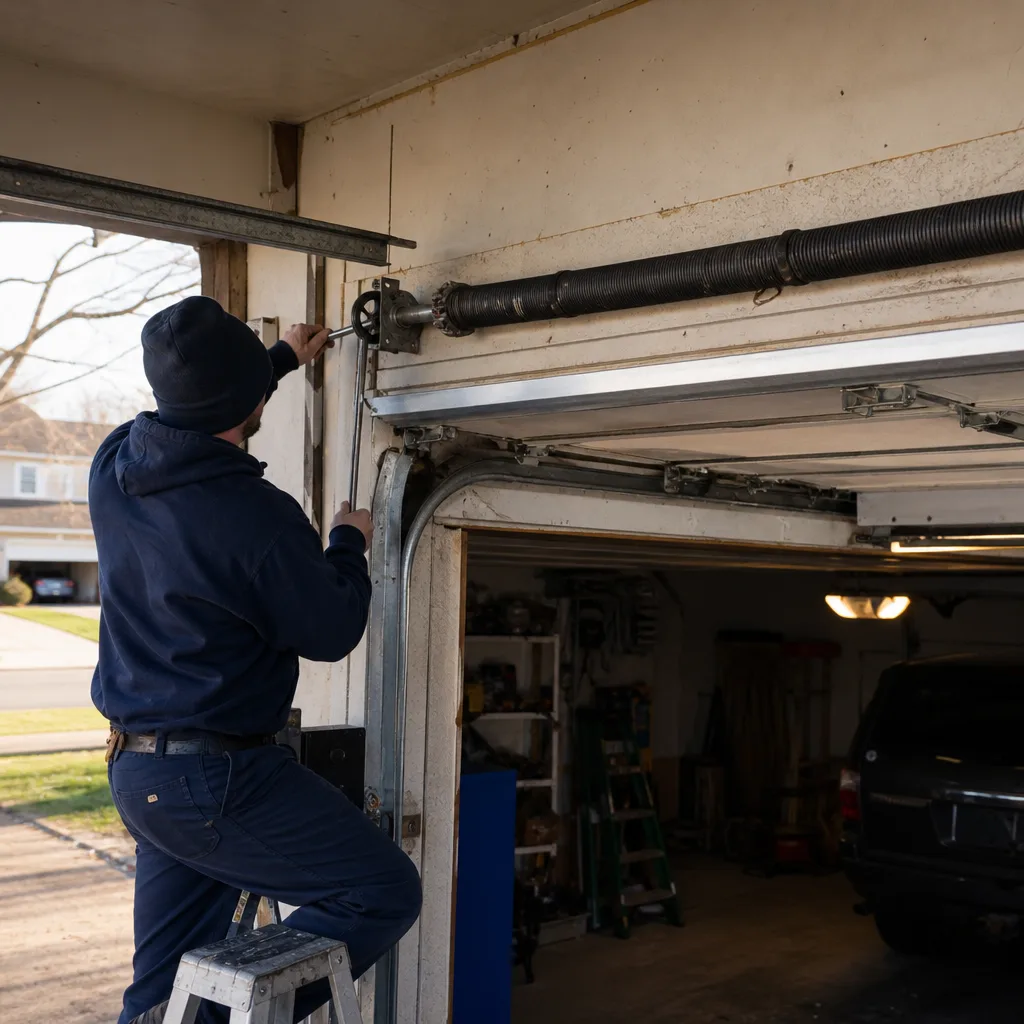 Before
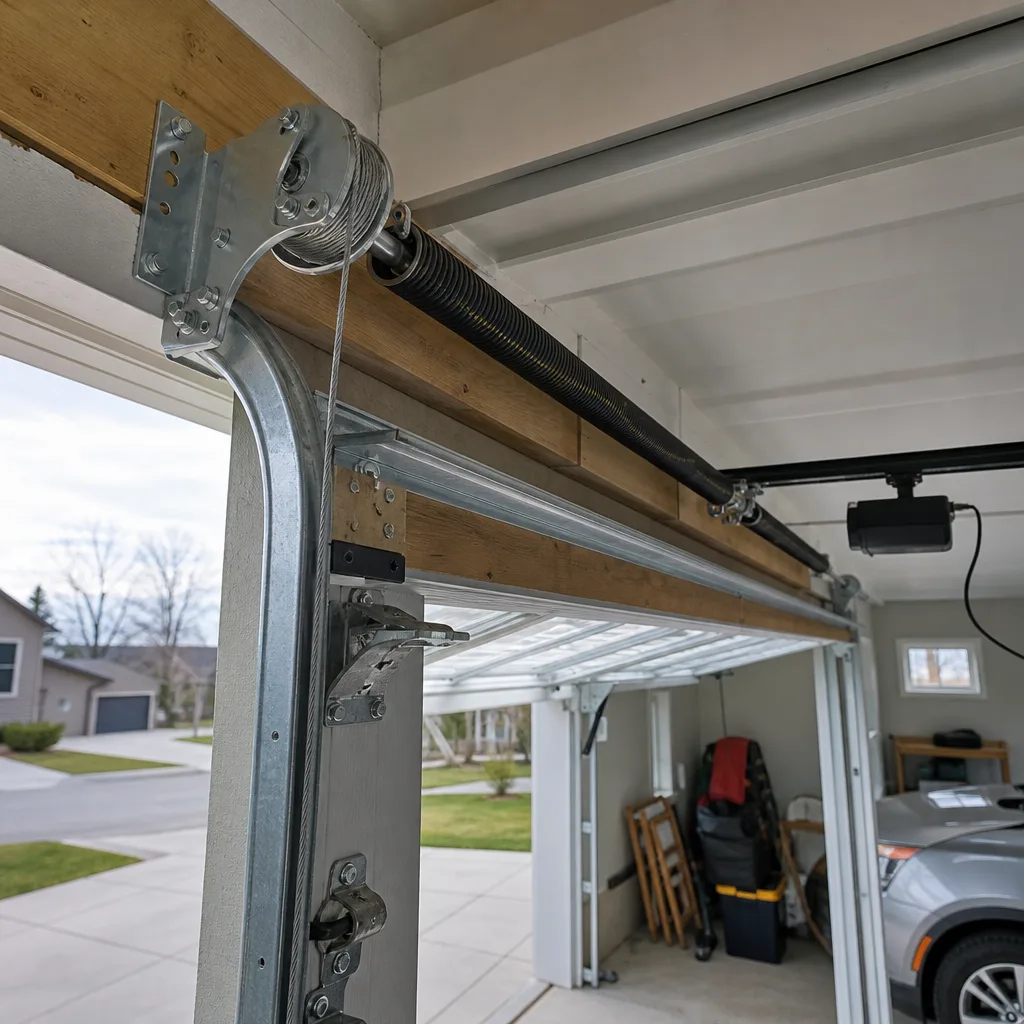 After
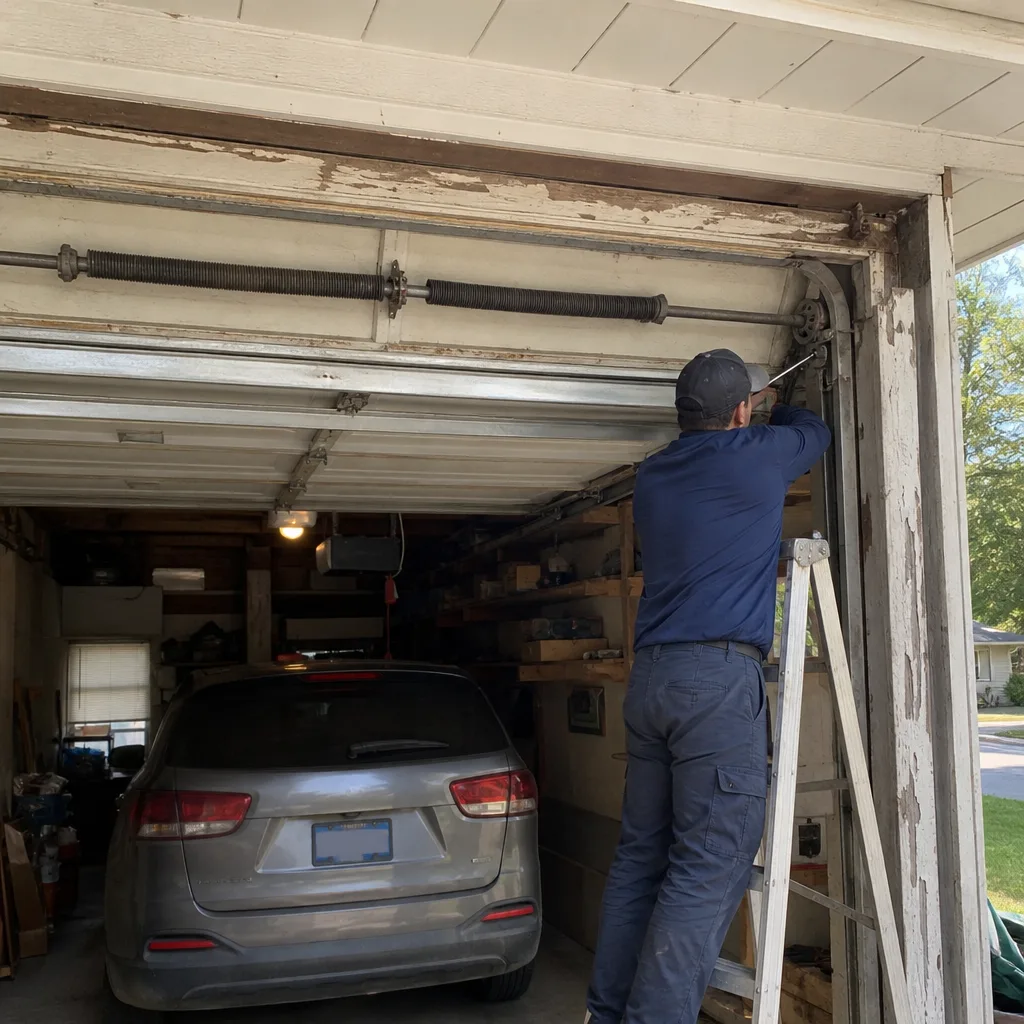 Before
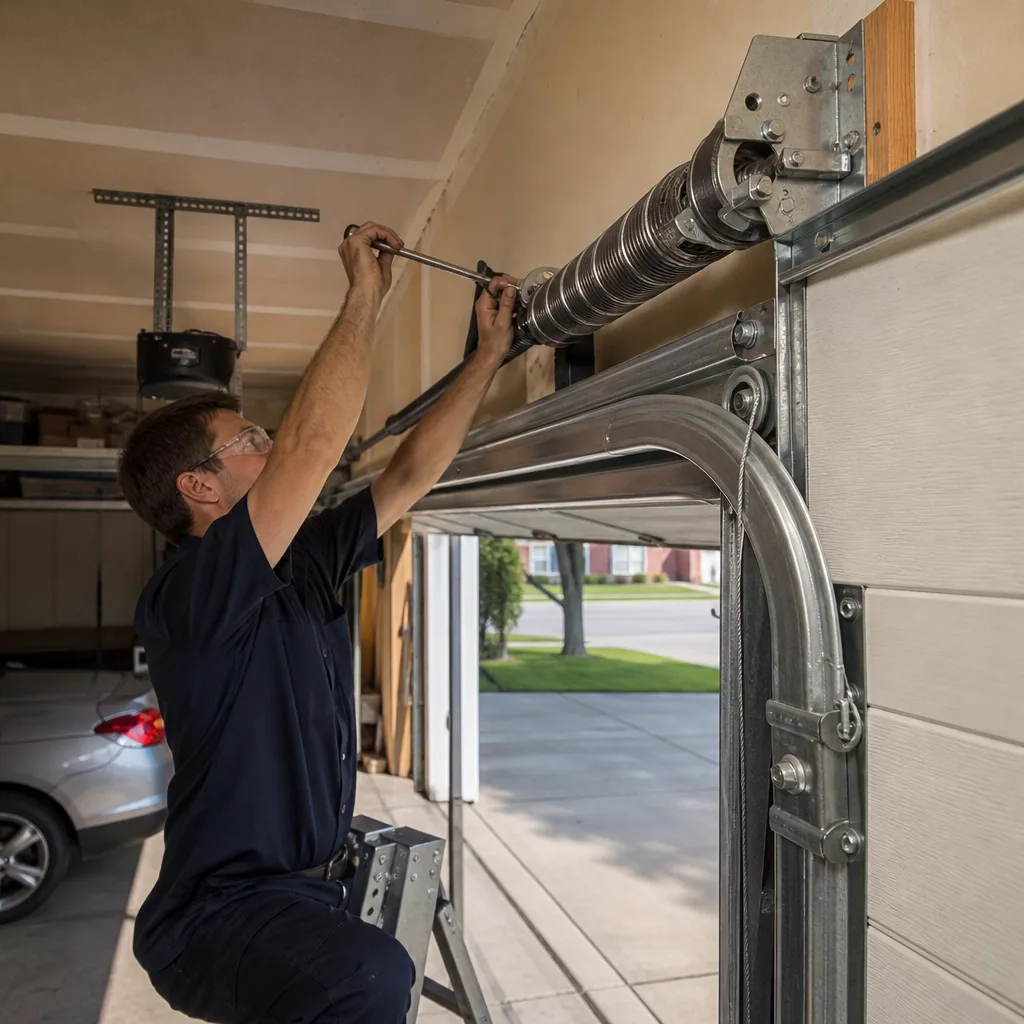 After
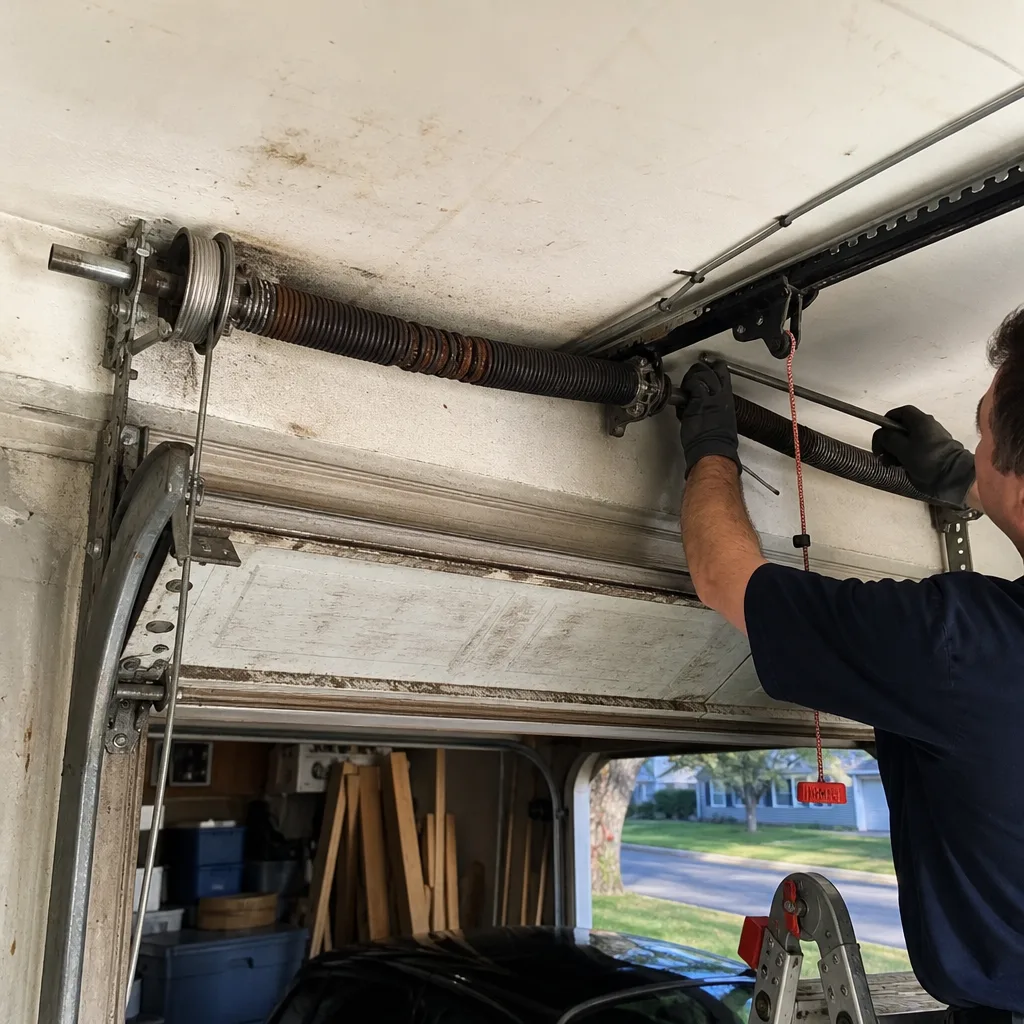 Before
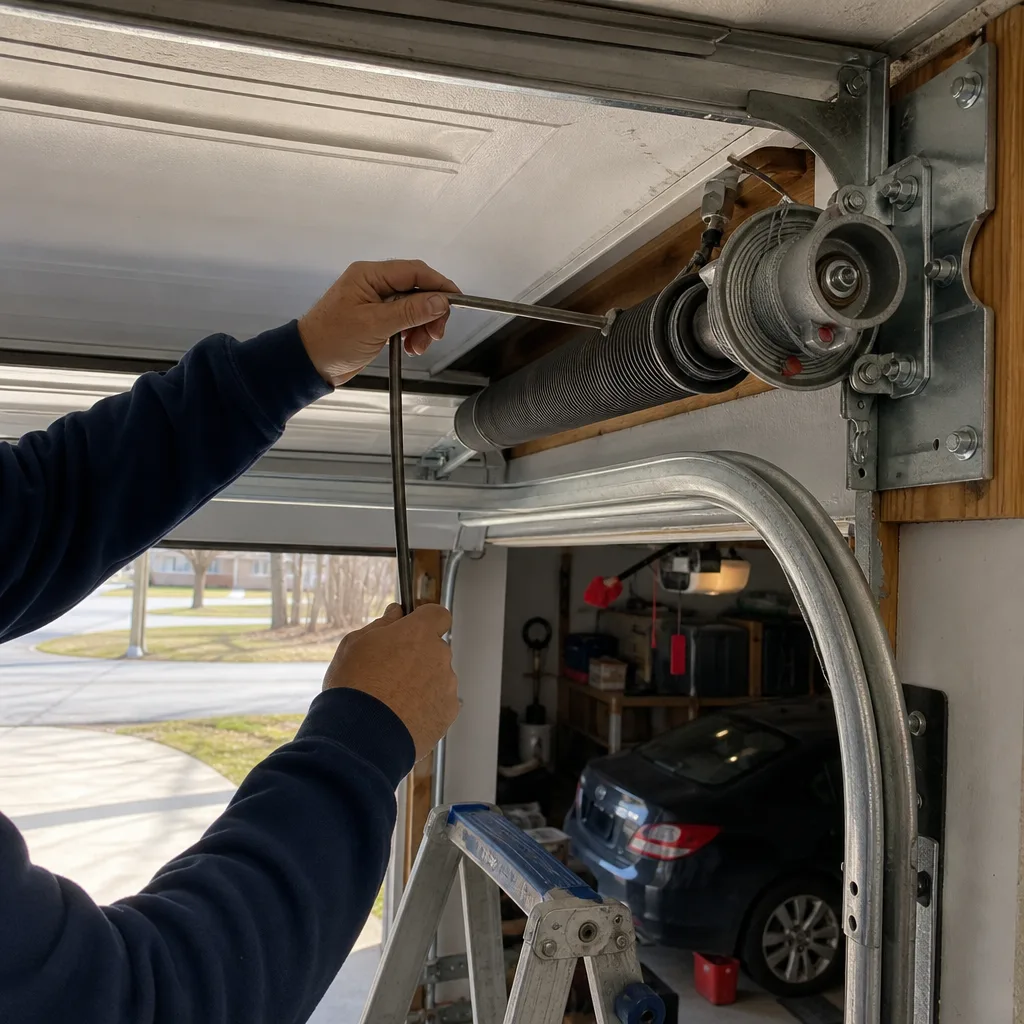 After