
Last updated October 31, 2026
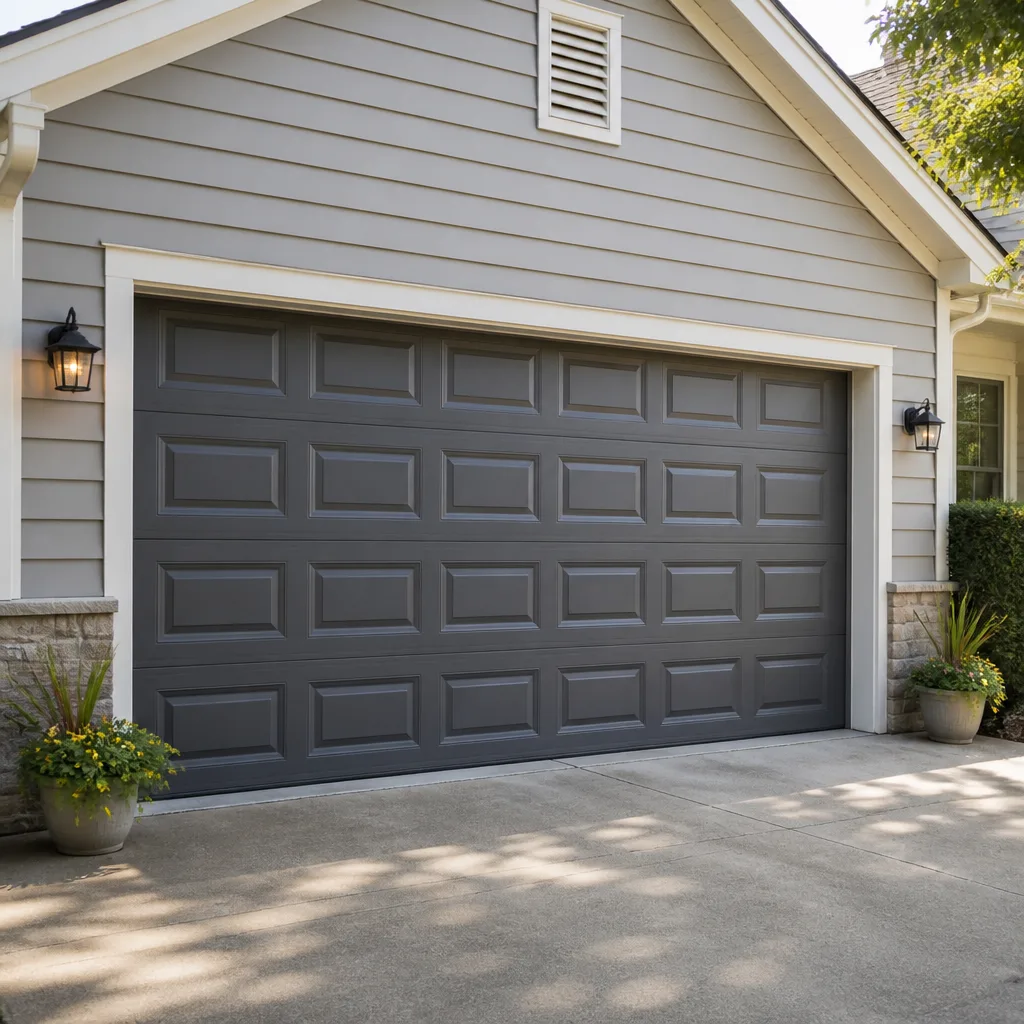 Raised-panel steel
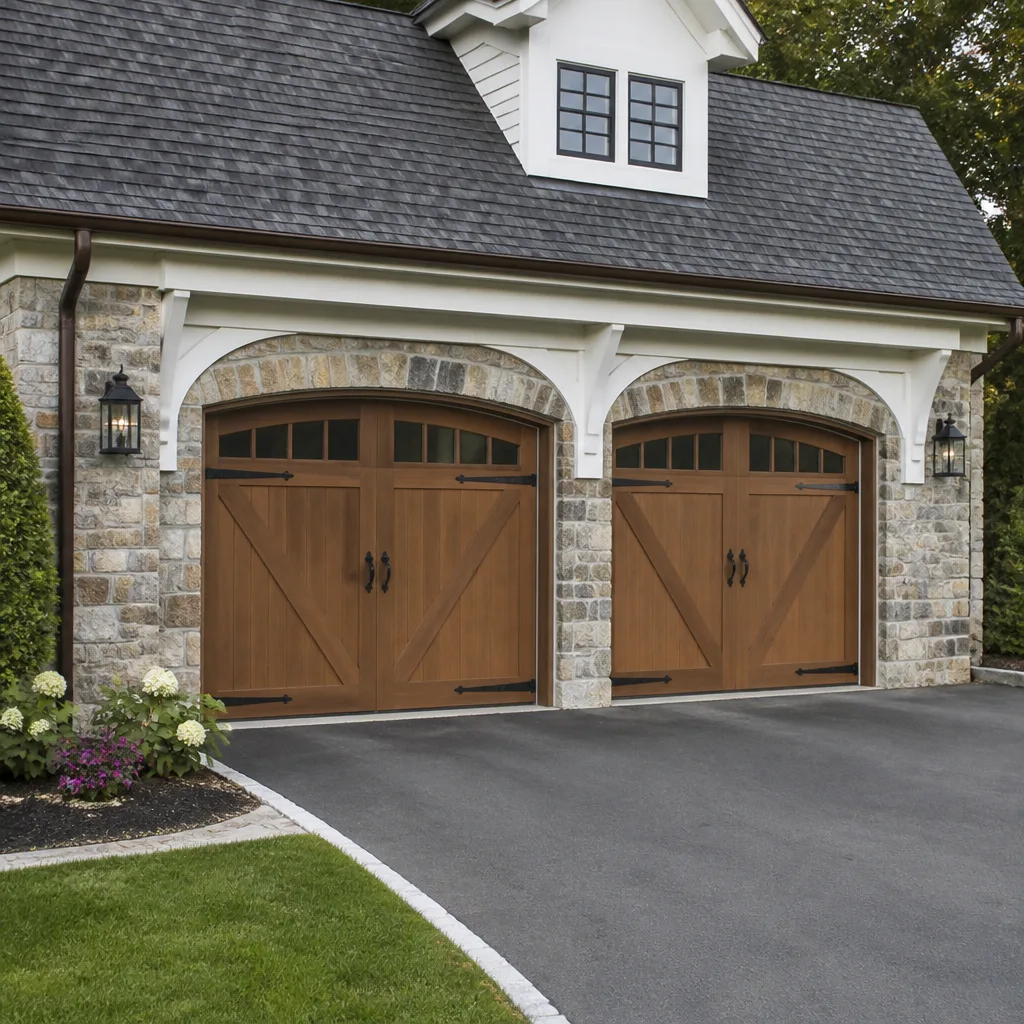 Carriage house
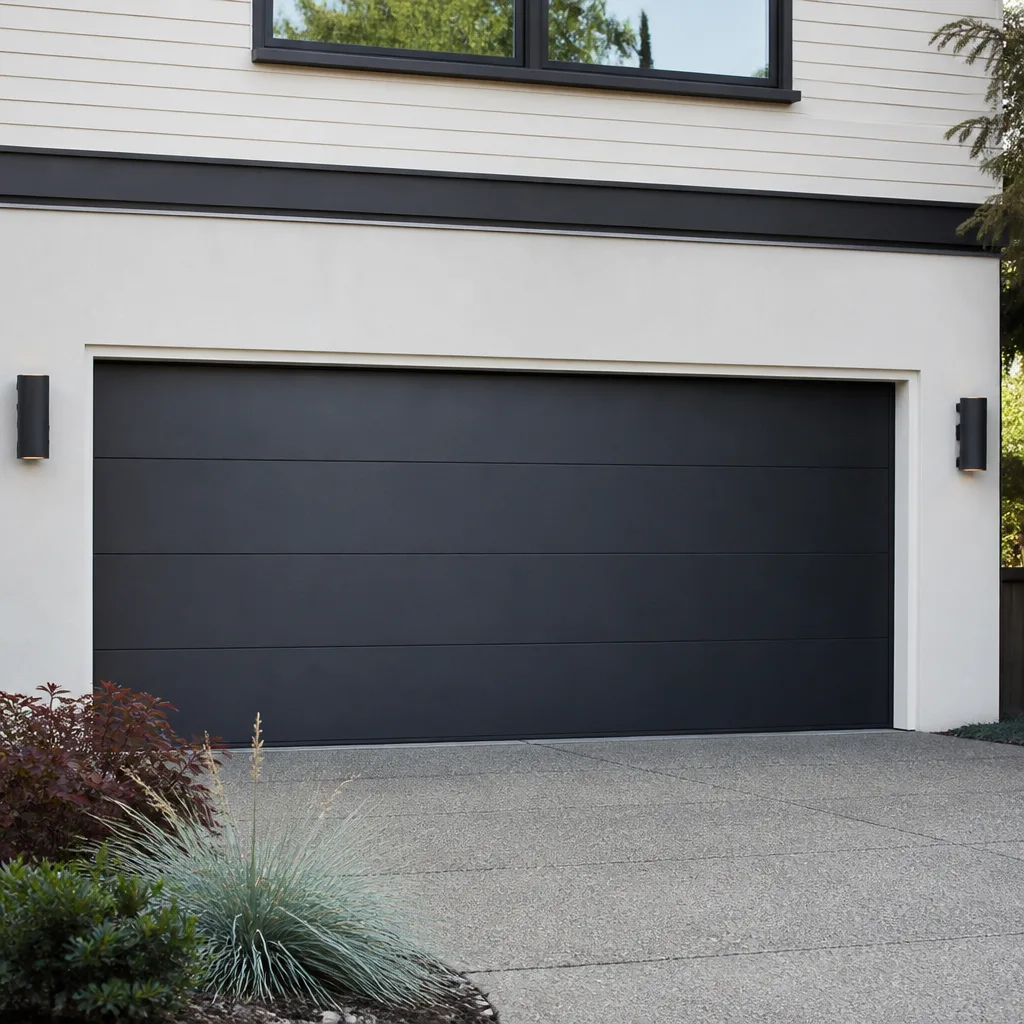 Modern flush
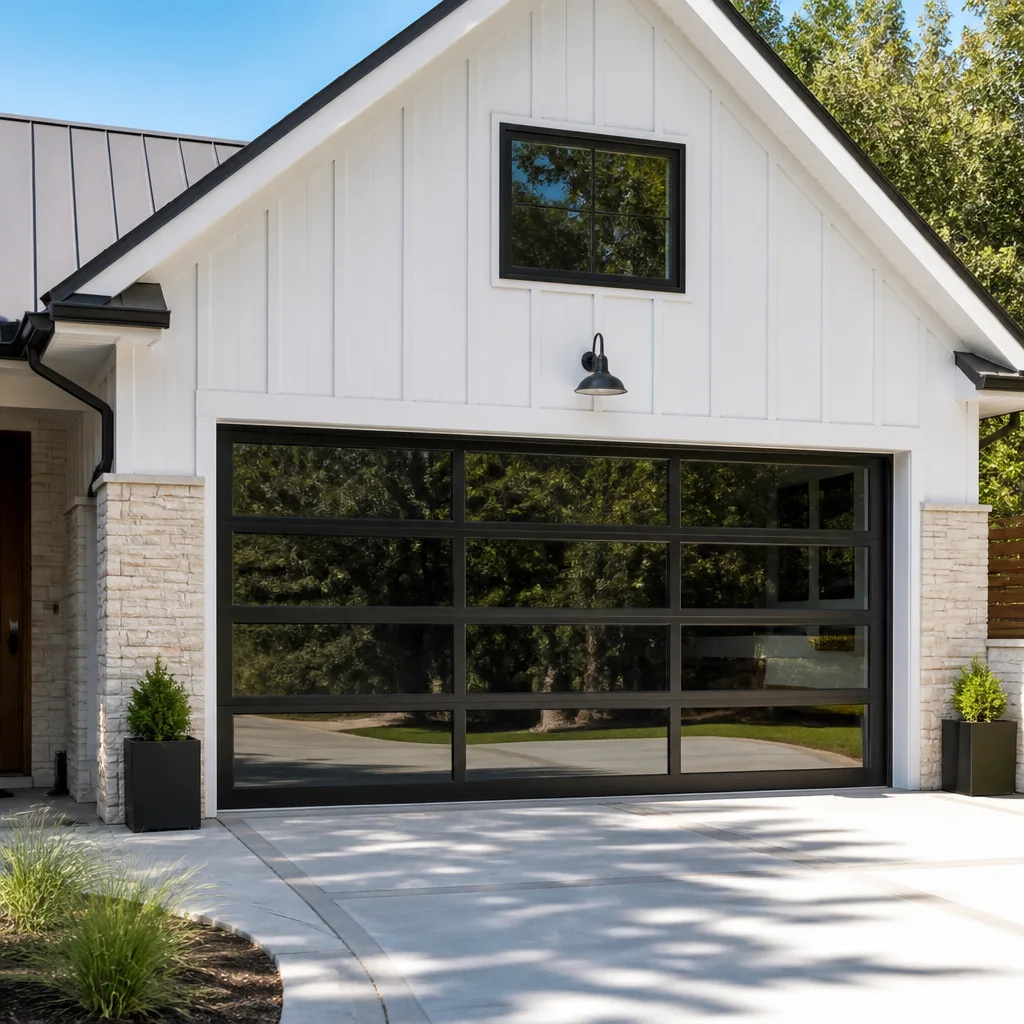 Full-view glass
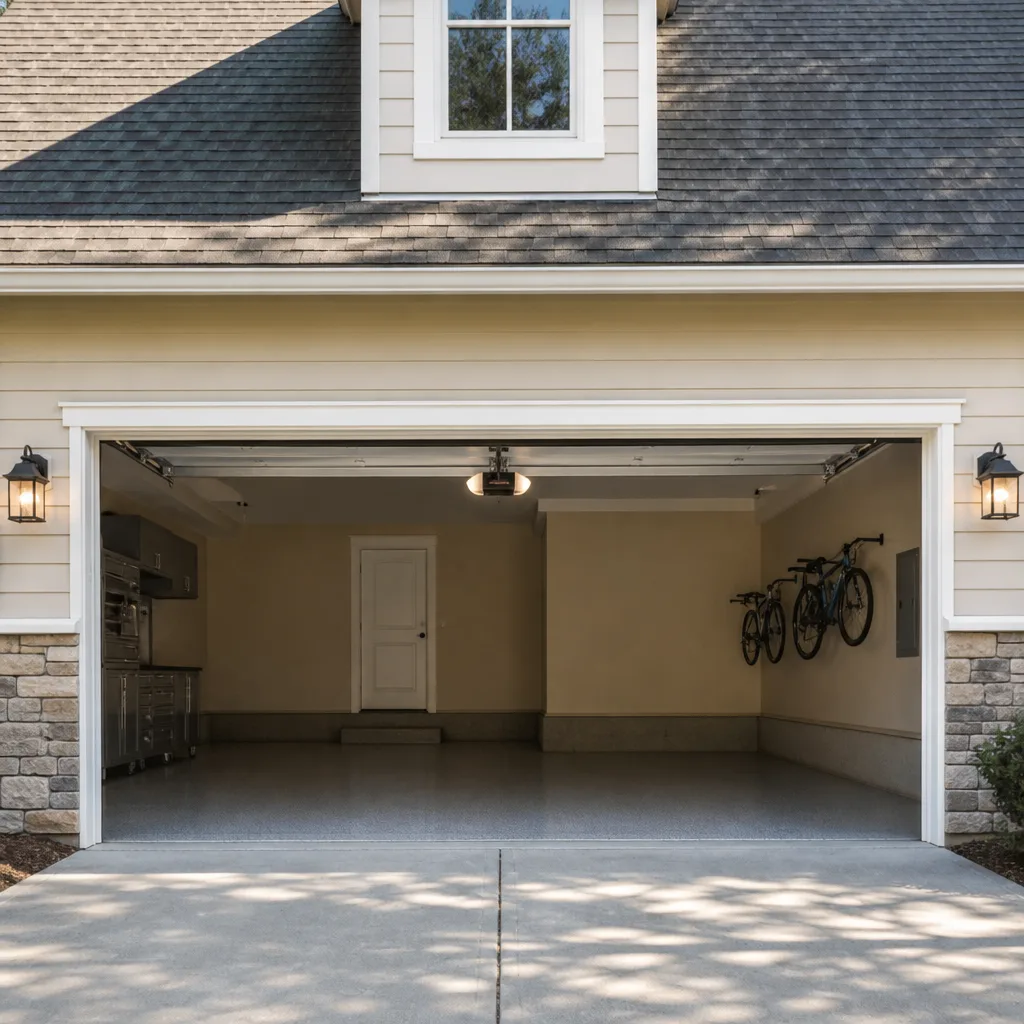 LiftMaster openers
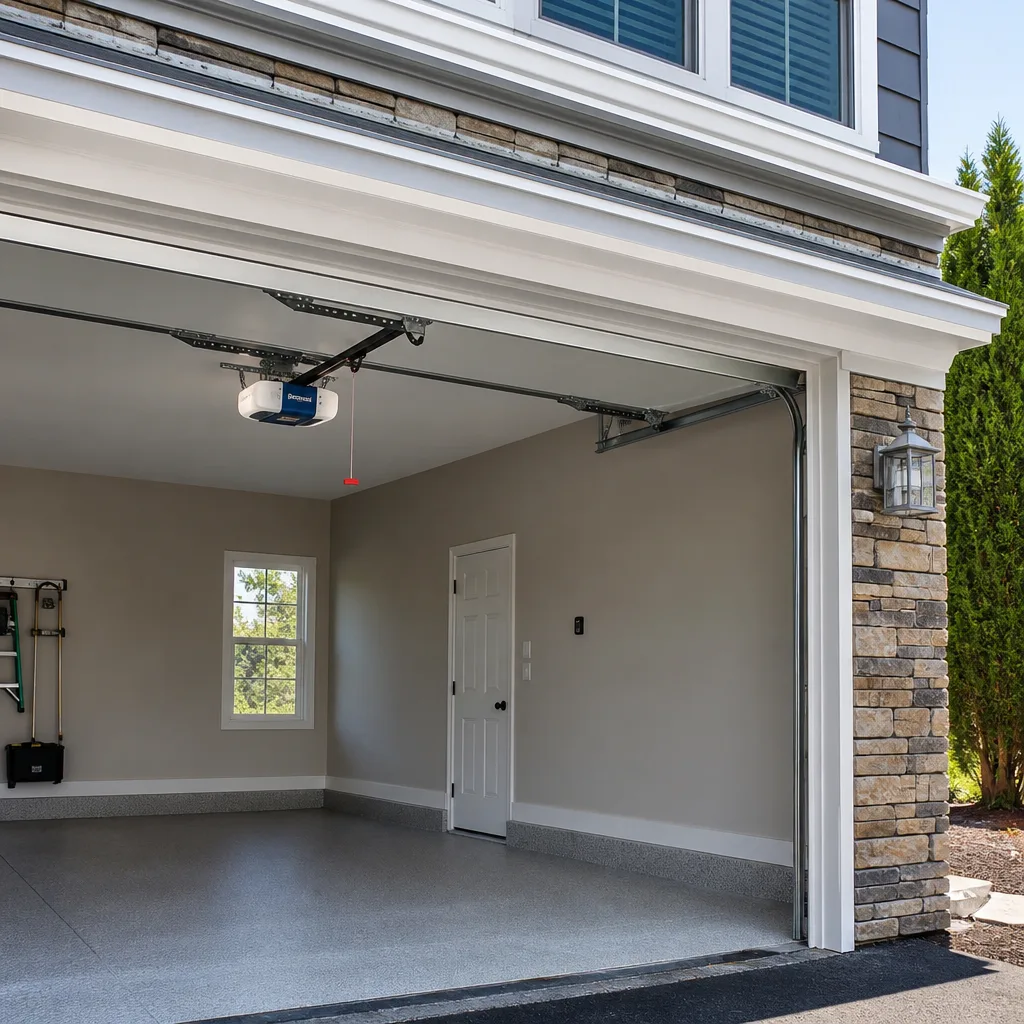 Chamberlain openers
Full 25-point door and opener safety check with every visit - springs, cables, rollers, tracks, and your LiftMaster or Chamberlain opener included
You get a price before we start. It does not change when the truck arrives.
Get your free estimateGarage Door Repair Troubleshooting: Common Problems and How to Fix Them
If your garage door reverses before it hits the floor, nine out of ten guides tell you to adjust the close-force limit. They skip the reason it’s out of adjustment in the first place. That setting doesn’t wander off on its own. Something changed: a spring lost tension, a roller wore down, the track shifted a quarter inch, or the safety sensors started drifting out of alignment. Adjust the force limit without finding the underlying cause and the door will drift again in six months, usually on the coldest morning of the year. This guide is different. We’re going to walk through the seven most common garage door failures in Grand Rapids, trace each symptom back to its actual root cause, and show you which fixes last and which ones just buy time. We’ve seen every one of these failures hundreds of times on doors from Wayne Dalton, Craftsman, Raynor, and LiftMaster systems across West Michigan.
Quick Answer
Garage door repair troubleshooting starts with matching the symptom to the component: a door that reverses before closing usually points to misaligned safety sensors, worn rollers, or a spring losing tension. A door that won’t open at all typically involves a broken spring, a stripped gear inside the opener, or a wall-button wiring fault. Before touching anything, read the diagnostic LED codes on the opener motor unit. They tell you which system failed without guesswork.
Styles & brands we work with
Table of Contents
- Why Your Garage Door Reverses Before It Closes
- Grinding, Scraping, or Squealing: What the Noise Means
- Door Won’t Open at All: The Three Likely Culprits
- Slow Response Time: When the Opener Hesitates
- Loud Banging During Operation
- Uneven Movement: One Side Lags
- The Remote Dead Zone: Intermittent or Range-Limited Opener
- The Tension-Balance Test: Checking Springs Without Touching Them
- Common Mistakes to Avoid
- When to Call a Professional
- Frequently Asked Questions
Why Your Garage Door Reverses Before It Closes
A garage door that starts closing, then reverses back up before touching the floor, is the most common service call we get in Grand Rapids. The door’s safety system is doing its job: it detected resistance or an obstruction and reversed to prevent damage or injury. The question is what it detected. Here’s what happens in order of frequency.
Misaligned safety sensors. Those two small units near the bottom of the track on each side shoot an invisible beam across the door opening. If the beam is broken or misaligned, the opener treats it as an obstruction and reverses. In Grand Rapids garages, this often happens after a garbage can bumps the sensor bracket, or a car pulls in slightly too far and nudges the track. Winter frost buildup on the sensor lens causes the same symptom every January. Check that both sensor lights are solid, not blinking. A blinking light means misalignment or blockage. Gently bend the bracket back until both lights glow steady.
Close-force limit drift. The force limit is a setting on the opener motor that controls how much resistance the door will push through before reversing. If it’s set too low, even normal operation triggers a reverse. But here’s what most guides skip: the force limit doesn’t drift on its own. If the door repeatedly reverses and the sensors are aligned, something mechanical is creating extra resistance. The most common culprit is a spring that’s lost tension over the past year or two. The opener compensates by working harder, and eventually the close force setting is no longer enough. Adjusting the force limit without addressing the spring means you’ll be back here next spring. In our experience with LiftMaster and Chamberlain openers in Grand Rapids, a door that reverses on cold mornings especially often points to a spring losing tension as temperatures drop and the metal stiffens.
Worn rollers or dirty tracks. Rollers that are cracked, flattened, or gummed up with years of dust create drag. The door slows down, the opener reads the resistance, and reverses. Same with tracks that haven’t been cleaned in several years. If the rollers look like they’ve been chewed up, replacing them is a straightforward fix. If the tracks are packed with grime, a wipe-down with a dry cloth often reduces resistance enough to stop the reversal.
Here’s the sequence we follow when we arrive at a Grand Rapids home with a reversing door:
- Check sensor alignment and lens cleanliness first. This is free and takes thirty seconds.
- Run the door manually by pulling the emergency release. If it’s heavy or binds mid-travel, the problem is mechanical, not electronic.
- Inspect rollers for wear. Look for flat spots, cracks, or wobble when the door moves.
- Test spring balance using the method in the section below.
- Only after ruling out mechanical issues do we adjust the force limit.
That order matters. Every time we skip to the force adjustment because it’s quicker, the door comes back to haunt the homeowner within months. For more on what to watch for, see our Garage Door Warning Signs: A Grand Rapids Homeowner’s Reference Guide. Get the root cause right the first time and the fix lasts for years.
If you’re tired of guessing, the Garage Door Repair in Kentwood team can diagnose the exact component causing the reversal, usually the same day.
Grinding, Scraping, or Squealing: What the Noise Means
Garage doors make noise, but there’s a difference between the normal rumble of a healthy door and the sounds of a component failing. Learning to tell them apart saves money, because each noise points to a specific part.
Grinding from the opener motor. On LiftMaster and Chamberlain units made before roughly 2010, the drive gear inside the motor housing is nylon and wears down over eight to twelve years. The symptom is a loud grinding sound that seems to come from the motor itself, not the door. The door may still move, but it jerks and shudders as it does. The gear is stripping. This is not a door problem; it’s an opener repair. On newer openers with DC motors, grinding often indicates the sprocket assembly wearing out. Either way, the fix is opener-side, not door-side.
Scraping sound along the tracks. A scraping or dragging sound that follows the door’s movement usually points to a roller that’s seized and now sliding rather than rolling. When a roller stops spinning, it becomes a brake pad. The metal stem scrapes against the track, and you’ll see metal shavings under the track if it’s been doing it for a while. Replacing the affected roller often resolves the noise. This is one of the most common issues we find on older Wayne Dalton doors in Grand Rapids, where the factory rollers tend to wear evenly but predictably.
Squealing or high-pitched screeching. Squealing is typically metal-on-metal contact. On the rollers, it usually means the bearing inside the roller has dried out or rusted. On the hinges, it means the hinge pins need lubrication. On the spring, it can mean the coils are rubbing against each other as the spring unwinds and rewinds. A light application of a garage-door-specific lubricant to the roller bearings and hinge pins often quiets the noise. Do not use WD-40: it’s a solvent, not a lubricant, and it will strip whatever lubrication remains. Use a white lithium grease or a silicone-based garage door lubricant instead.
A whisper that becomes a growl. On belt-drive openers, a grinding sound that develops slowly over months often means the belt tensioner is failing. If you have a Craftsman belt-drive opener that’s eight or more years old and it’s starting to groan, the tensioner is the likely culprit. This is a serviceable part, not a reason to replace the whole opener, but it does need to be caught before the belt slips.
Door Won’t Open at All: The Three Likely Culprits
When the door does nothing when you press the wall button or the remote, most people assume the motor is dead. In our experience across Grand Rapids, the opener motor is the culprit less than half the time. Before you call our Garage Door Repair services, work through these three checks in order.
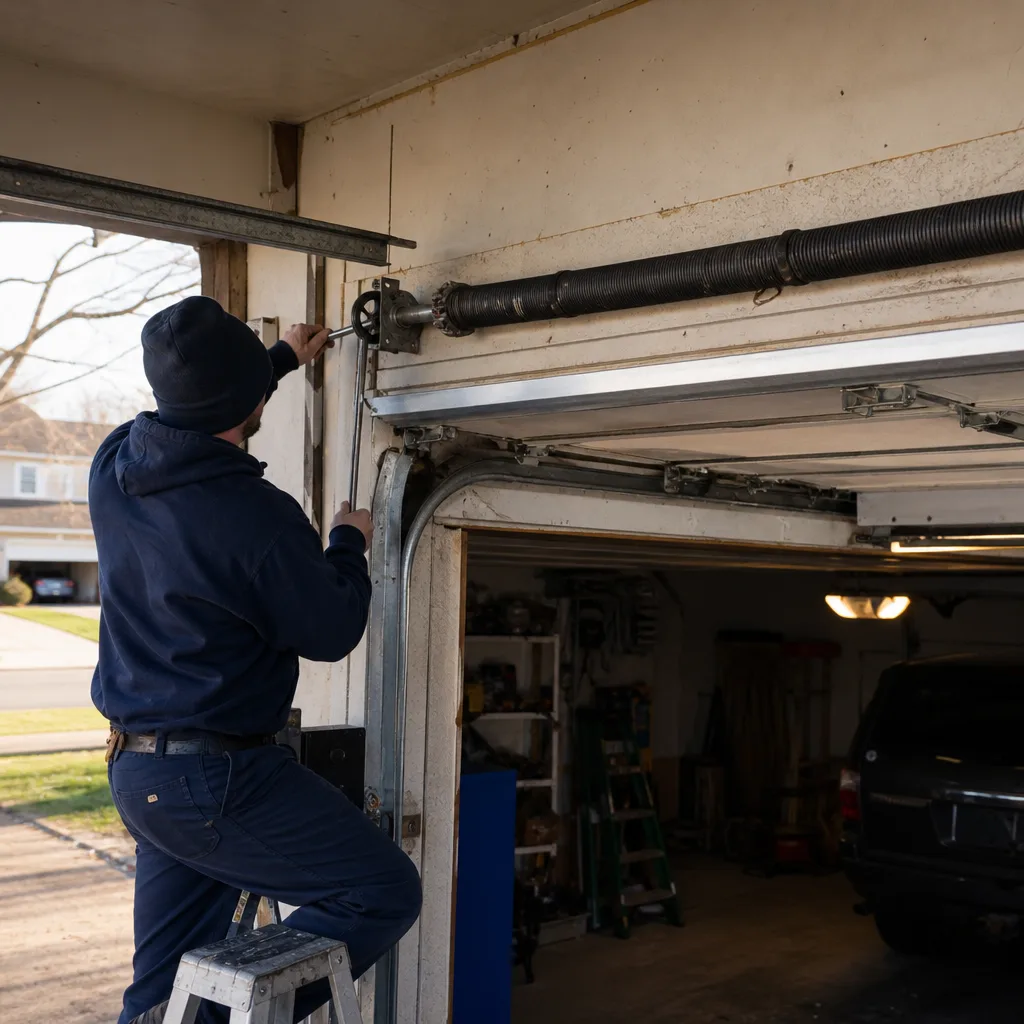
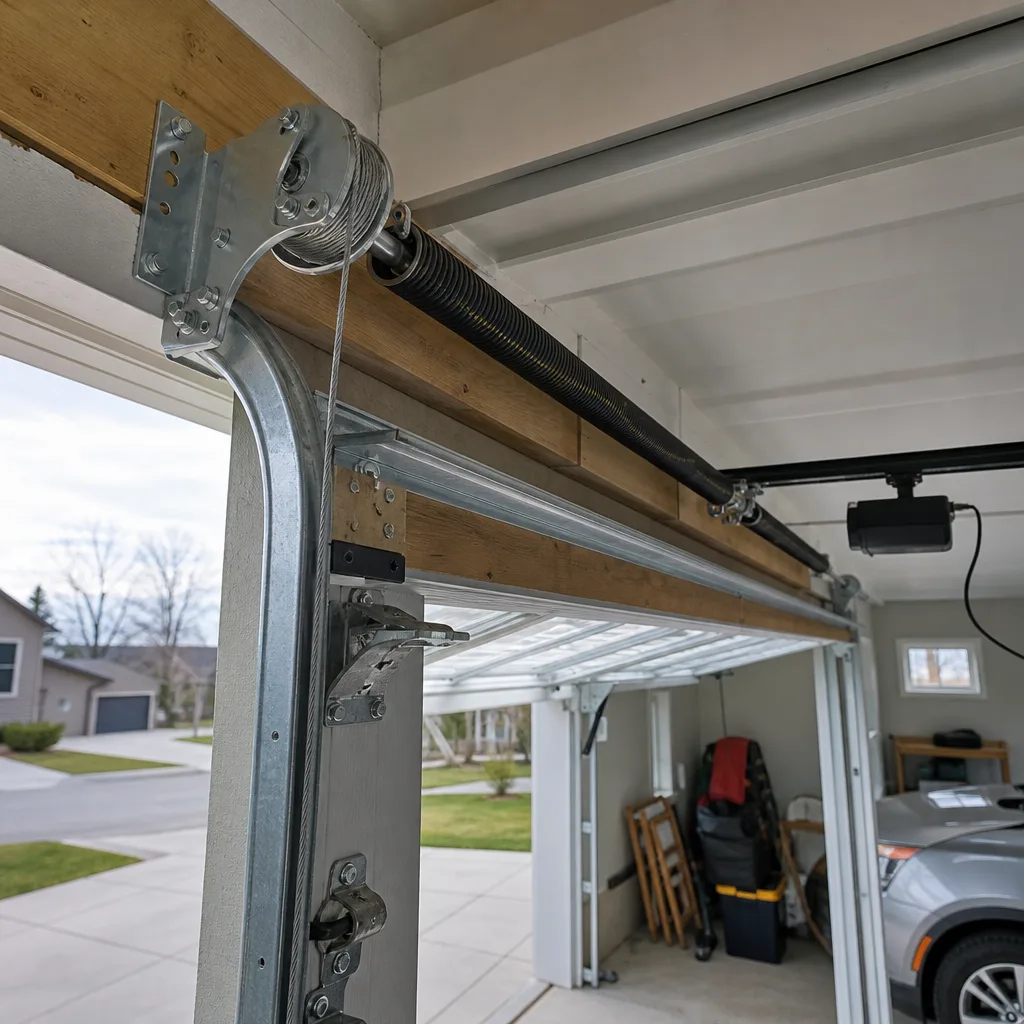
1. Broken spring. If the door won’t open but the opener motor runs, and the door just sits there or rises an inch and stops, the torsion spring above the door is probably broken. You’ll often hear a loud bang when it snaps, and you can visually inspect the spring for a gap between two coils. A broken spring means the opener can’t lift the door’s weight. This is the most common reason a door “suddenly won’t open” in Grand Rapids homes built with steel doors, which are heavier than the wooden doors of older houses. This part is not a DIY fix. The spring is under enormous tension and can cause serious injury if mishandled. Call a professional for spring replacement.
2. Stripped gear or failed capacitor. If the motor hums but the door doesn’t move, you’re hearing the motor try to turn a stripped gear or a seized drive assembly. On Raynor and Chamberlain openers, the most common cause is either the nylon gear we mentioned above or a burned-out capacitor, which gives the motor its starting jolt. A humming motor with no movement means the capacitor may be failing. On DC-motor openers, you might not hear anything at all, which points to a logic board issue.
3. Wall button or wiring fault. If the opener makes no sound when you press the wall button, and the LED on the opener unit is dark, check the breaker first. If the breaker is fine, the wall button’s wiring may have been damaged. This happens more often than you’d think in Grand Rapids garages, where mice chew through low-voltage wiring during the winter. The fix is simple: the wire gets replaced, and the button works again.
For opener-specific failures, Garage Door Opener Repair in Kentwood is our dedicated service for the electronics and motors most door companies won’t touch.
Slow Response Time: When the Opener Hesitates
You press the remote and nothing happens for a full second or two. Then the door starts moving. That delay is a warning sign, not just an annoyance. Here’s what causes it and why it matters.
Failing capacitor. On older AC-motor openers, the capacitor stores and releases the starting charge. As it degrades, the motor takes longer to spin up. The delay gets progressively worse over weeks and months. Ignoring it eventually leads to a door that hums and doesn’t move at all.
Logic board aging. On LiftMaster and Chamberlain openers with a built-in radio receiver, the logic board controls both the remote signal processing and the motor start sequence. As capacitors on the board dry out, the response time drops. In Grand Rapids, where temperature swings from below zero in winter to the 90s in summer, these boards age faster than in more moderate climates because the solder joints expand and contract repeatedly.
Remote battery or signal interference. A weak battery in the remote causes a delayed or intermittent response, not just failure. Same with LED bulbs installed near the opener motor. Certain LED bulbs emit radio interference that disrupts the remote signal. If the delay started right after you replaced an old bulb with an LED, try a different bulb brand or move it further from the motor.
A slow-responding opener is still working, but it’s telling you it won’t be for much longer. If the delay is new, do the cheap checks first: replace the remote battery, reseat the LED bulbs. If the delay persists, have the opener’s electronics checked before the failure becomes a no-open situation.
Loud Banging During Operation
A single loud bang is different from a recurring banging sound that happens every time the door opens or closes. If you heard one loud bang and the door stopped working, skip to the section on the door not opening: that’s a spring snapping. This section addresses repeated banging during normal operation.
Loose hardware on the panel sections. Between each horizontal panel of the door, there are hinge brackets. Grand Rapids weather cycles cause the metal fasteners to work loose over two to three years, especially on the top panel where the opener arm attaches. When the door changes direction from horizontal to vertical travel, the loose panel bangs against the one below it. The fix is simple: tighten the hinge bolts. But if they’ve been loose long enough, the holes in the panel may be wallowed out, and simply tightening the bolt won’t work anymore. At that point the panel may need a reinforcement plate installed.
Worn-out torsion spring making a “thunk.” If the noise happens right as the door begins to move and again when it stops, the spring may be binding and releasing. This can happen when the spring has lost its protective coating and the coils rub against each other. A spring that thunks is a spring that’s nearing the end of its life. Springs have a limited number of cycles, typically 10,000 or so on standard springs, fewer on economy springs. When a Grand Rapids homeowner tells us they hear a thunk every morning, we know the spring is due for replacement soon, and we’d rather replace it proactively than respond to a snapped spring at 7 a.m. on a winter morning.
Opener carriage slamming. On some Craftsman and Raynor openers, the carriage that connects the rail to the door can slam against the stops if the limit switches are set too aggressively. The door reaches the end of its travel and the opener doesn’t stop quickly enough, causing a bang. Limit switches are adjustable, and a small tweak often eliminates the noise without replacing anything.
Uneven Movement: One Side Lags
If the door appears crooked as it rises, with one side higher than the other, the problem is almost never what people assume. Most homeowners think they need new springs. The actual cause is usually simpler.
Broken cable on one side. Most garage doors have two lift cables, one on each side, attached to the bottom bracket and running up to the drum above. If one cable breaks, that side of the door loses all lifting support, and the door rises crooked. This is a critical repair: the remaining cable is now carrying double the load and will fail soon. Do not operate the door with a broken cable. The cable is under extreme tension, and attempting to reattach it yourself is dangerous.
Cable slipped off the drum. If the cable isn’t broken but has jumped off the drum, the door will also rise unevenly. This typically happens after a spring breaks or after the door is manually operated with the emergency release while the spring is not balanced. The door jolts and the cable jumps. Fixing this requires resetting the cable onto the drum under proper tension, which means working with the spring system. This is a job for a professional, not a weekend project.
Worn drum or bent track. A bent track on one side causes that side to bind while the other side moves freely. The door cocks and grinds. A worn drum, where the cable groove has deepened from years of friction, changes the effective diameter of the drum and causes uneven lift. Both of these are repair-or-replace items that a professional can assess quickly.
The Remote Dead Zone: Intermittent or Range-Limited Opener
You can open the door from inside the garage with the wall button, but the remote only works when you’re practically touching the door, if at all. Sometimes it works in the morning and not in the evening. This is one of the most frustrating symptoms, because it’s inconsistent. Here’s what causes it, in order of probability.
LED interference. We mentioned this earlier, and it deserves its own section. Since LED bulbs became common, we’ve seen a steady stream of Grand Rapids service calls for “remote stopped working.” Almost always, the homeowner recently replaced the bulb in the opener or in a fixture near the motor. Certain LED drivers emit radio frequencies that overlap the opener’s remote frequency. The fix is simple and free: remove the LED bulbs, test the remote range, and if it improves, replace them with a different brand or an appliance-rated LED. This is the first thing to check because it costs nothing.
Receiver antenna damage. Most openers have a small antenna wire hanging from the motor unit. If it’s been bent, pinched, or cut, the remote range collapses. On LiftMaster and Chamberlain units, the antenna is a simple wire that can be checked by eye. If it’s damaged, the fix is straightforward.
Frequency crowding. In Grand Rapids neighborhoods where every house has a garage, and many homes have two or three openers, adjacent remotes can interfere. This is rare but real, especially in townhome and condominium developments. Reprogramming the remote to a different frequency or channel often resolves it.
Remote itself failing. If the wall button works and the LED-check comes up clean, the remote may simply be dying. The contacts wear out after five to seven years of daily use, and the battery terminals corrode. A replacement remote is inexpensive and usually fixes the issue immediately.
The Tension-Balance Test: Checking Springs Without Touching Them
The torsion springs above your garage door are under enough tension to lift a 200-pound door. You should not touch them, adjust them, or remove them. But there’s a way to test whether they’re doing their job without ever putting a hand on the spring itself. Here’s the test we teach every Grand Rapids homeowner, because it takes two minutes and tells you more than any checklist.
- Pull the emergency release cord to disconnect the door from the opener rail. The door should now move freely by hand.
- Lift the door halfway, so the bottom edge is about waist height.
- Let go of the door completely.
- Observe what happens.
A properly balanced door will stay approximately where you left it, maybe drifting an inch or two. A door with worn springs will drop quickly, sometimes slamming shut. A door with springs that are too strong, usually because someone installed the wrong springs during a previous repair, will rise on its own.
If the door drops, the springs are weak or broken, and the opener has been compensating. That compensation is why the door reverses when closing and why the opener wears out prematurely. If the door rises, the springs are oversized, which creates a different set of problems: the door slams when closing and the cables can jump off the drums.
Run this test twice a year. Write the result down. When you notice the door dropping faster than it did six months ago, you’ve caught spring fatigue early, before it becomes a snapped spring and a door that won’t open.
Common Mistakes to Avoid
- Adjusting the force limit before checking the springs. The force limit setting is the last thing we check, not the first. If the door is reversed because a spring is weak, turning up the force limit masks the symptom while the real problem gets worse. In our experience with LiftMaster and Chamberlain openers across the Grand Rapids area, force-limit misadjustment is the number one reason a door “fixed” by a YouTube tutorial fails again within a year.
- Using WD-40 on everything. WD-40 is not a garage door lubricant. It’s a water-displacing solvent, and it will strip whatever lubrication was on your rollers, hinges, or springs. Use a silicone-based or white lithium garage door lubricant instead. A door that squeals louder after you spray it with WD-40 is a door that’s now running dry on its own metal.
- Replacing the opener when the door is the problem. A dead remote, a misaligned sensor, or a broken spring does not mean you need a new opener. We’ve seen homeowners spend $400 on a new LiftMaster when the actual issue was a $20 sensor or a $3 wire nut. Diagnose first, replace second.
- Lubricating a door with a broken spring. If the spring is snapped, no amount of lubricant will make the door work. More importantly, attempting to lift a door with a broken spring by hand or with the opener’s remaining strength is the most common way people hurt themselves with garage doors.
- Ignoring a slow door or a delayed opener. “It still works” is the phrase we hear most often that we wish we didn’t. A door that’s slow, noisy, or delayed is giving you a warning. Fixing it now costs less than fixing it at 7 a.m. on the day you need to be at work.
- Assuming all brands are interchangeable for parts. A Wayne Dalton torsion system is not the same as a Raynor system. Using the wrong spring or drum leads to uneven lifting, cable jumps, and a door that closes like a guillotine. A multi-brand technician knows what fits what.
- Not testing the balance after any repair. If you just had your cables replaced or your tracks adjusted and no one ran the balance test, the repairs may be masking a spring issue. Always run the tension-balance test after any significant garage door work.
When to Call a Professional
You can diagnose a lot from this guide, and the tension-balance test is safe for anyone to perform. But there are bright lines where DIY becomes a liability. Do not attempt to replace a torsion spring yourself. The tool to wind a torsion spring is called a winding bar, and using it without training is one of the most dangerous home-repair activities there is. Do not attempt to reattach a cable that has come off the drum. The cable is under load, and when it releases, it releases violently. Do not operate a door with a broken spring, even with the opener doing the lifting. The opener is not designed to lift a 200-pound steel door alone, and the remaining components will fail.
If the problem is opener electronics, a stripped gear, or a logic board issue, the work requires opening the motor housing and working with live wiring. Unless you’re comfortable with electrical repair, that’s a professional job.
For anything you’d rather not tackle, Garage Door Repair in Kentwood covers the full range of door-side fixes, and we also install new doors when a repair no longer makes sense. Sunshine Garage Door Service offers free estimates in Grand Rapids. Call (866) 491-7155 and we’ll diagnose the problem over the phone before we ever roll a truck.
Frequently Asked Questions
In Grand Rapids, garage door repair prices typically range from $90 to $250 for issues like sensor realignment, roller replacement, and force-limit adjustment, while spring replacement runs $180 to $340 depending on the door weight and spring type. The price is quoted and agreed before any work starts, so you’ll never get an invoice bigger than the quote. Call (866) 491-7155 for a free estimate on your specific issue.
For most repair issues, yes, and many Grand Rapids calls are same-day, especially for broken springs, snapped cables, and doors stuck open or closed. Repair work is dispatched the same day in most cases. Spring replacement and roller work are typically completed in a single visit. Call (866) 491-7155 in the morning and we’ll tell you our real-time schedule for your neighborhood.
No. The price we quote is the price we charge. If we find something unexpected during the repair, we stop, we show you the part, and we get your approval before doing any additional work. You will not be handed an invoice that doesn’t match the quote you agreed to. Estimates are free.
Yes. Our repair trucks in Grand Rapids carry the most common parts we need: torsion springs in multiple sizes, replacement rollers, cables, hinges, sensors, and opener gears for LiftMaster, Chamberlain, Genie, and Craftsman units. We don’t have to leave your house, order a part, and come back tomorrow for most repairs.
Almost certainly not. When the wall button works but the remote doesn’t, the opener motor is fine. The problem is either the remote itself, a dead remote battery, a damaged receiver antenna on the opener, or LED light bulbs interfering with the radio signal. Try replacing the remote battery first and removing any LED bulbs near the opener. If those don’t solve it, the opener’s receiver board may need service.
We work on the eight major brands most common in Grand Rapids homes: LiftMaster, Chamberlain, Genie, Craftsman, Clopay, Amarr, Wayne Dalton, and Raynor. If your door or opener is from one of those brands, we have the parts knowledge to diagnose quickly and fix it correctly the first time. If you’re not sure what brand you have, the logo on the motor unit or the tag on the door panel will say.
The Bottom Line
Garage door failures almost always have an identifiable root cause, and the symptom you see is just the surface of that cause. A reversing door may be sensors, but it may be a weak spring. A grinding noise may be a roller, but it may be a stripped opener gear. A dead door may be the motor, but it may be a snapped spring or a chewed wire. The order of diagnosis matters: check the obvious, test the mechanicals, and only then adjust the electronics. Run the tension-balance test twice a year. Avoid the shortcuts that mask problems without fixing them. If you’re not sure, a professional diagnosis costs less than a wrong guess.
If you need someone who knows every nut, bolt, and circuit in your garage door, Sunshine Garage Door Service home covers repair, opener repair, and full installation across the Grand Rapids area. For new doors and full replacements, see Garage Door Installation in Kentwood. Call (866) 491-7155 and let’s get your door back in motion.
Written by the team at Sunshine Garage Door Service, serving Grand Rapids since 2013.
See the difference
 Before
 After
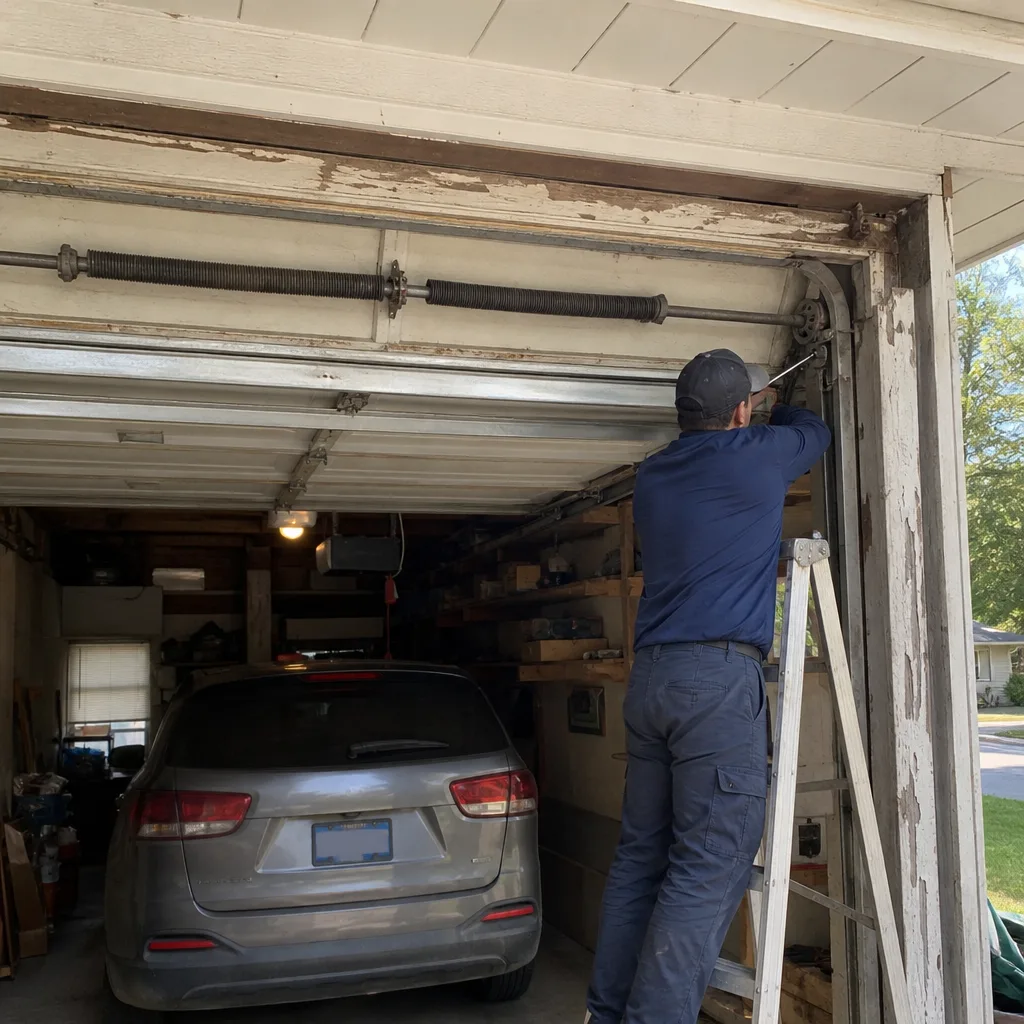 Before
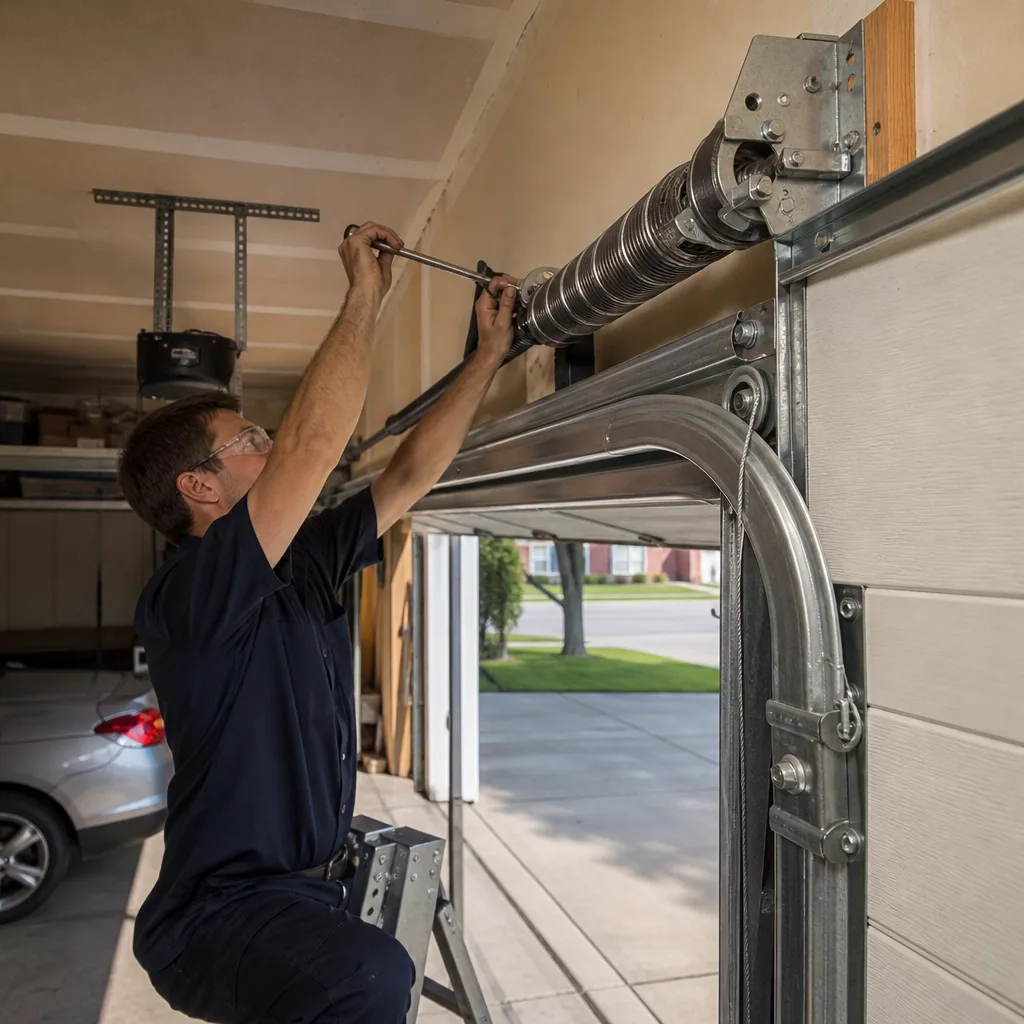 After
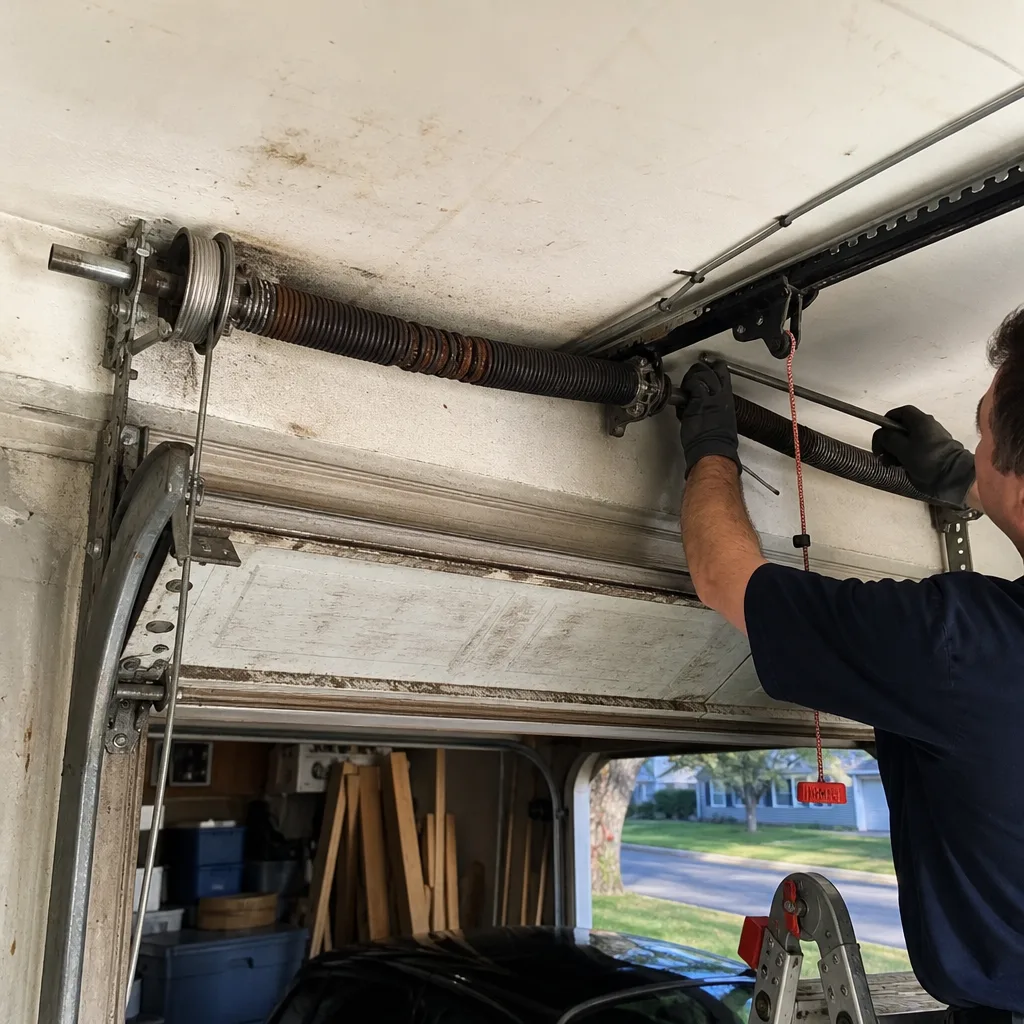 Before
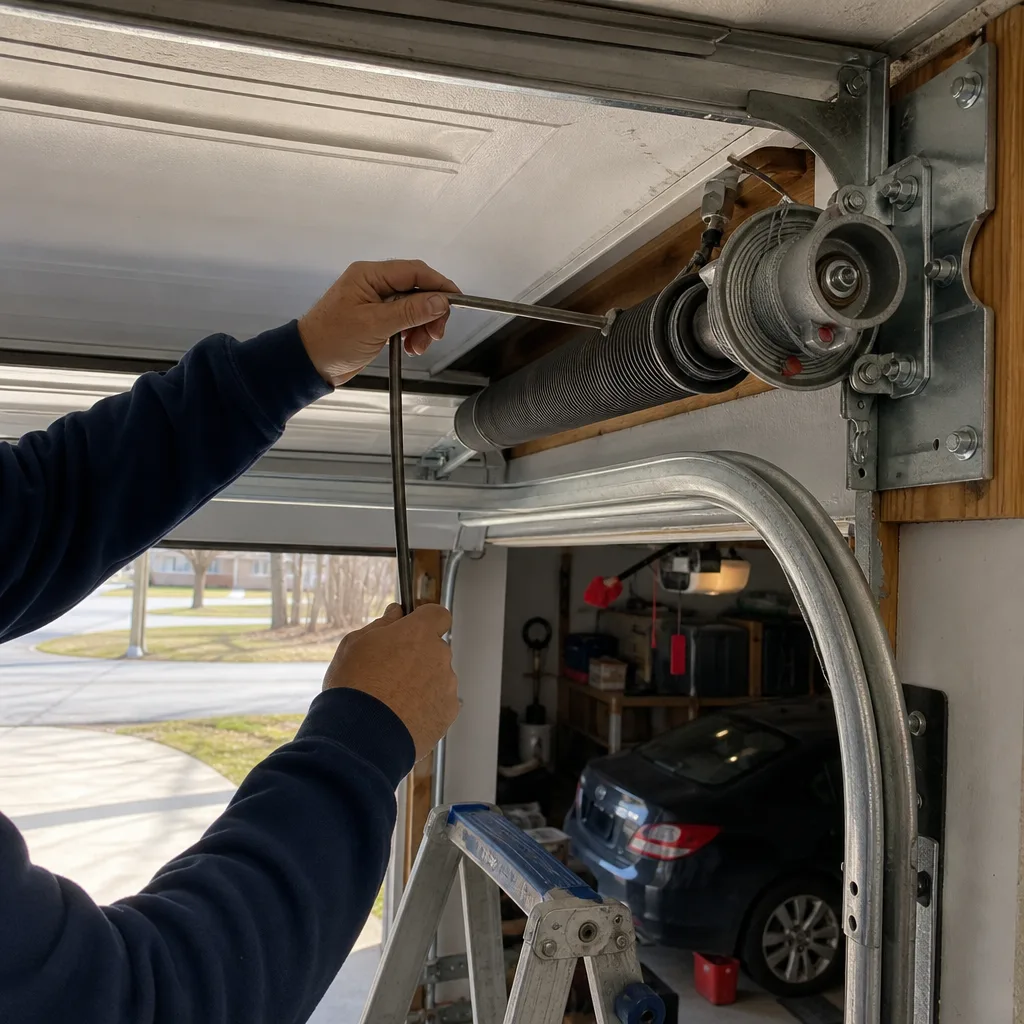 After