
Last updated October 31, 2026
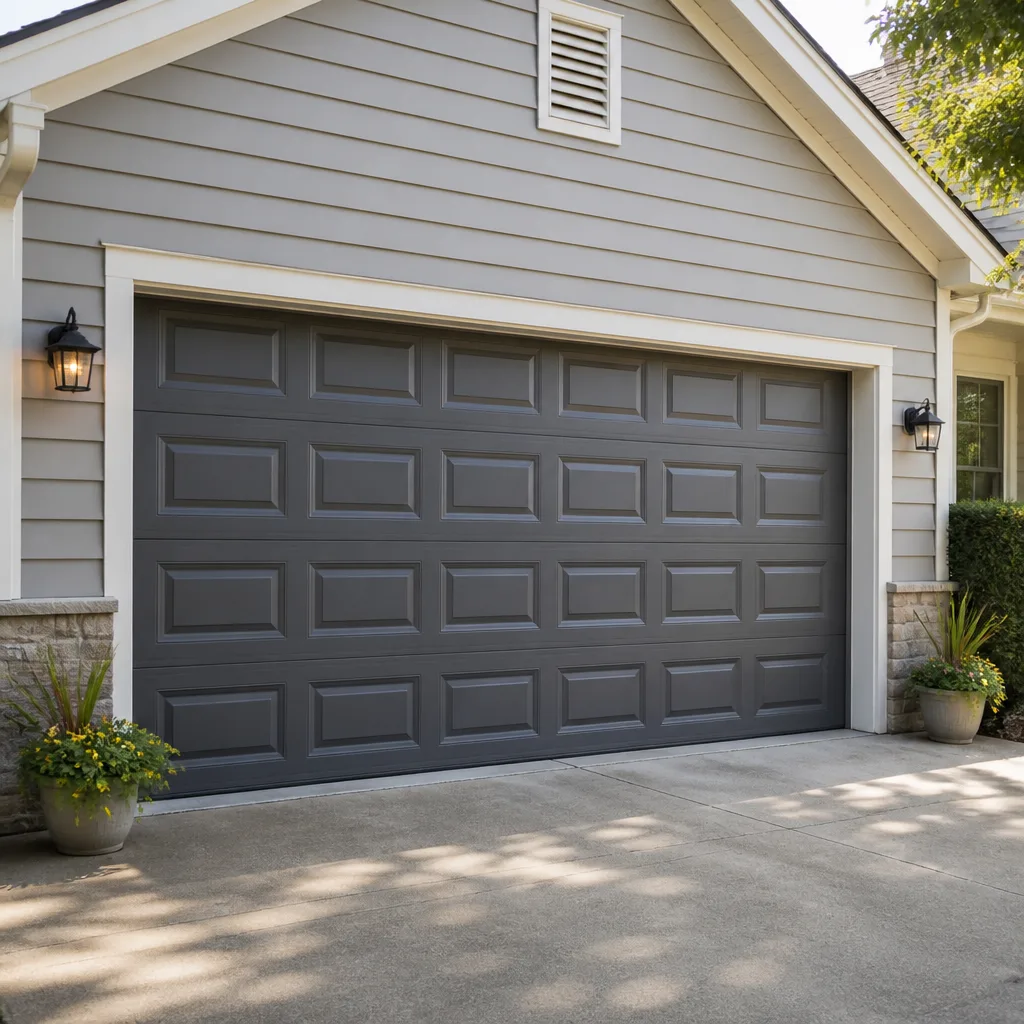 Raised-panel steel
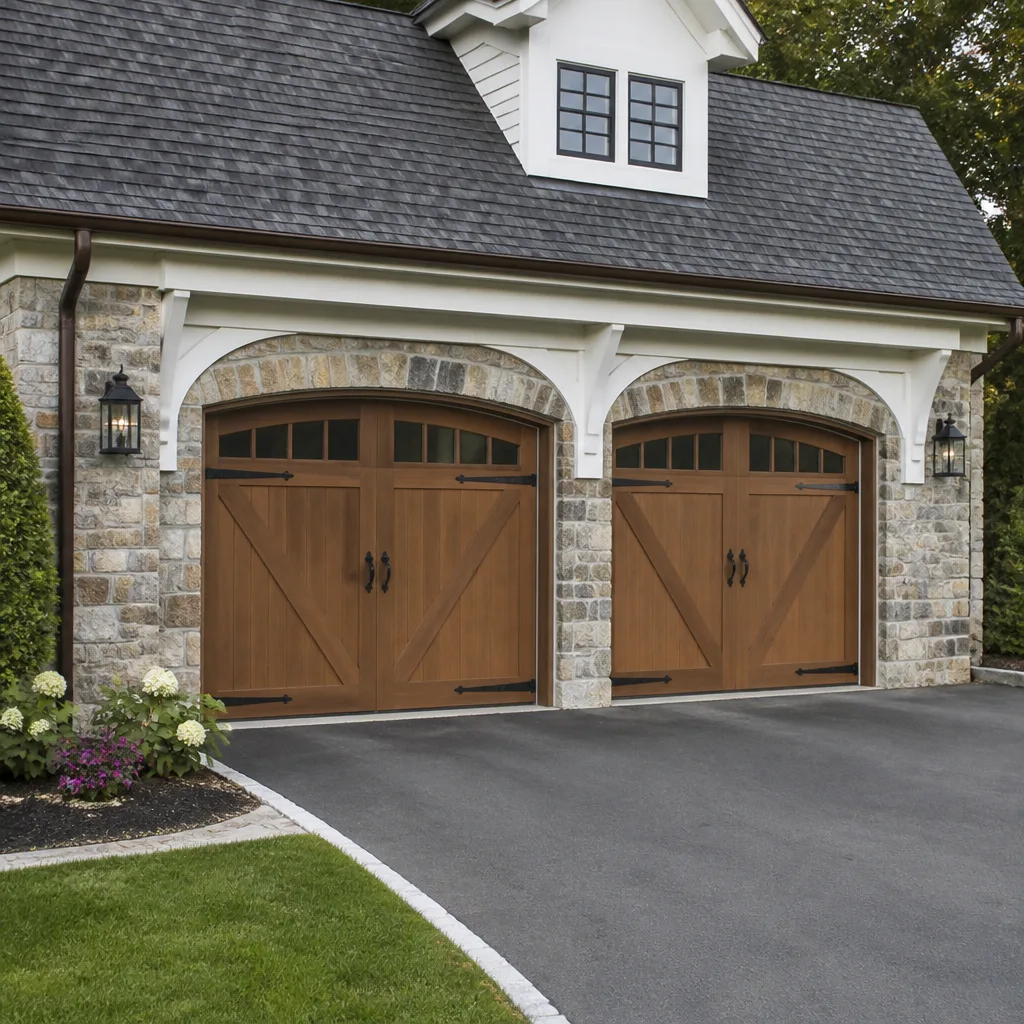 Carriage house
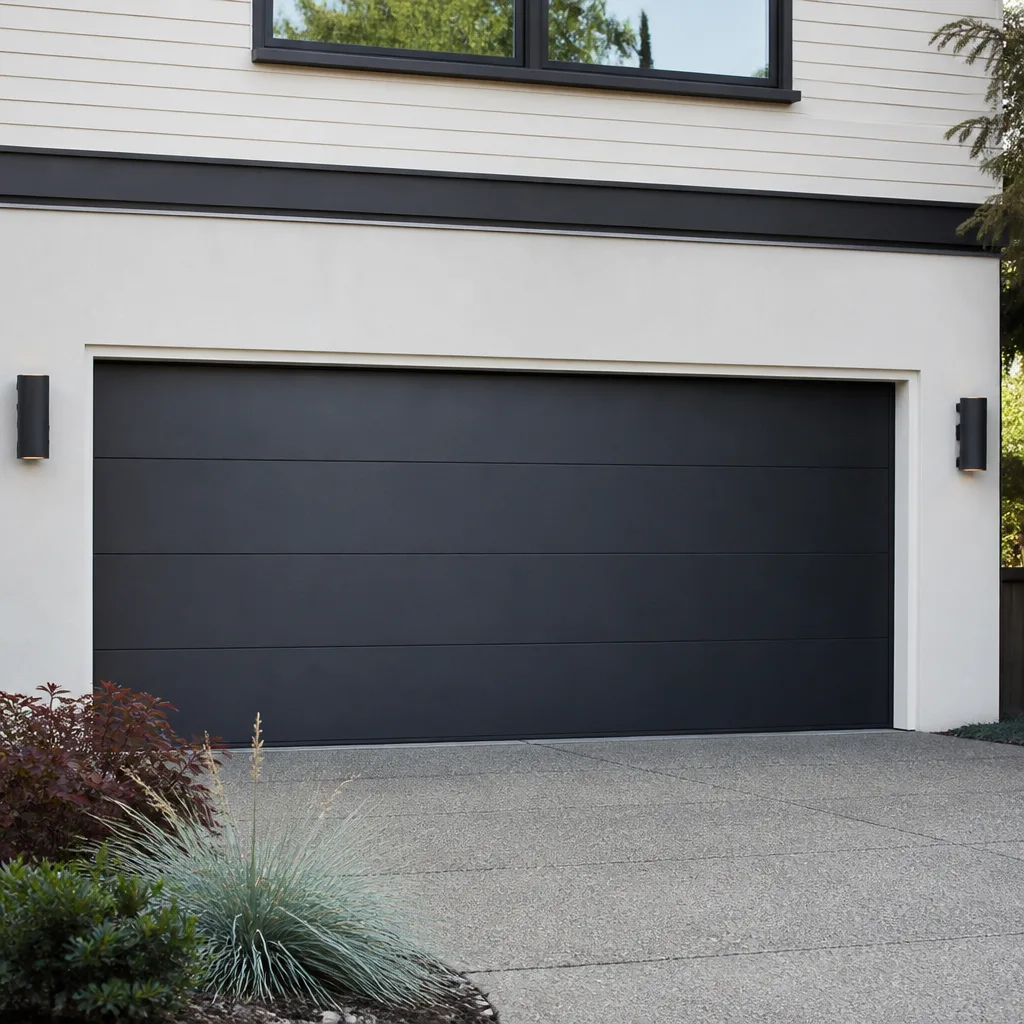 Modern flush
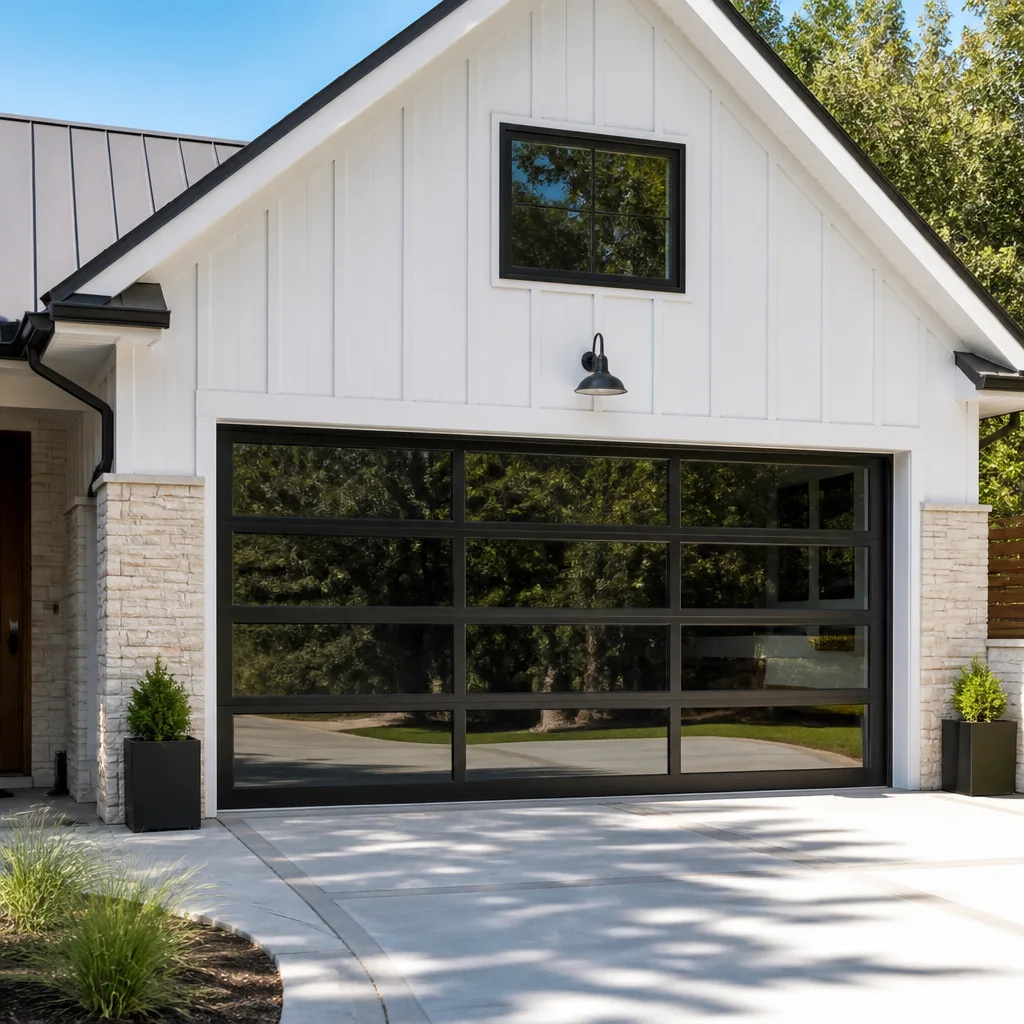 Full-view glass
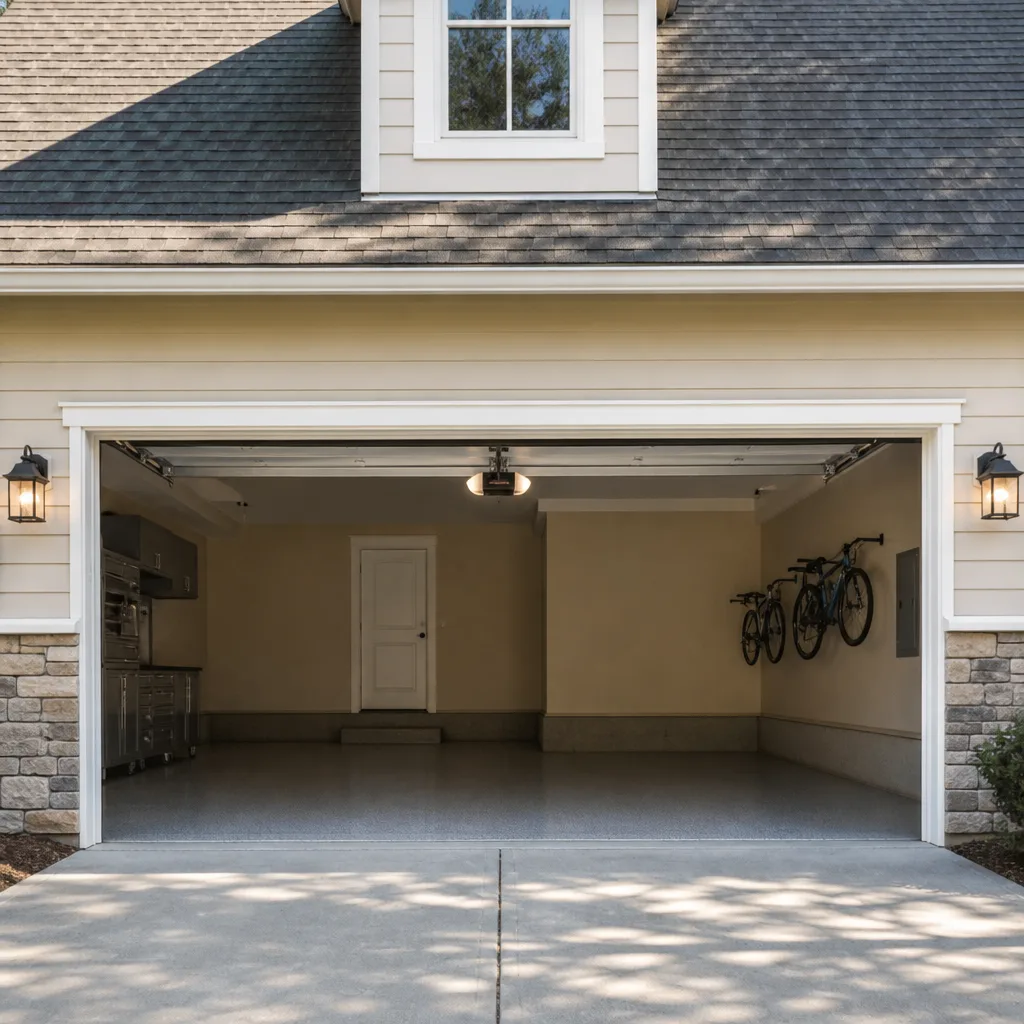 LiftMaster openers
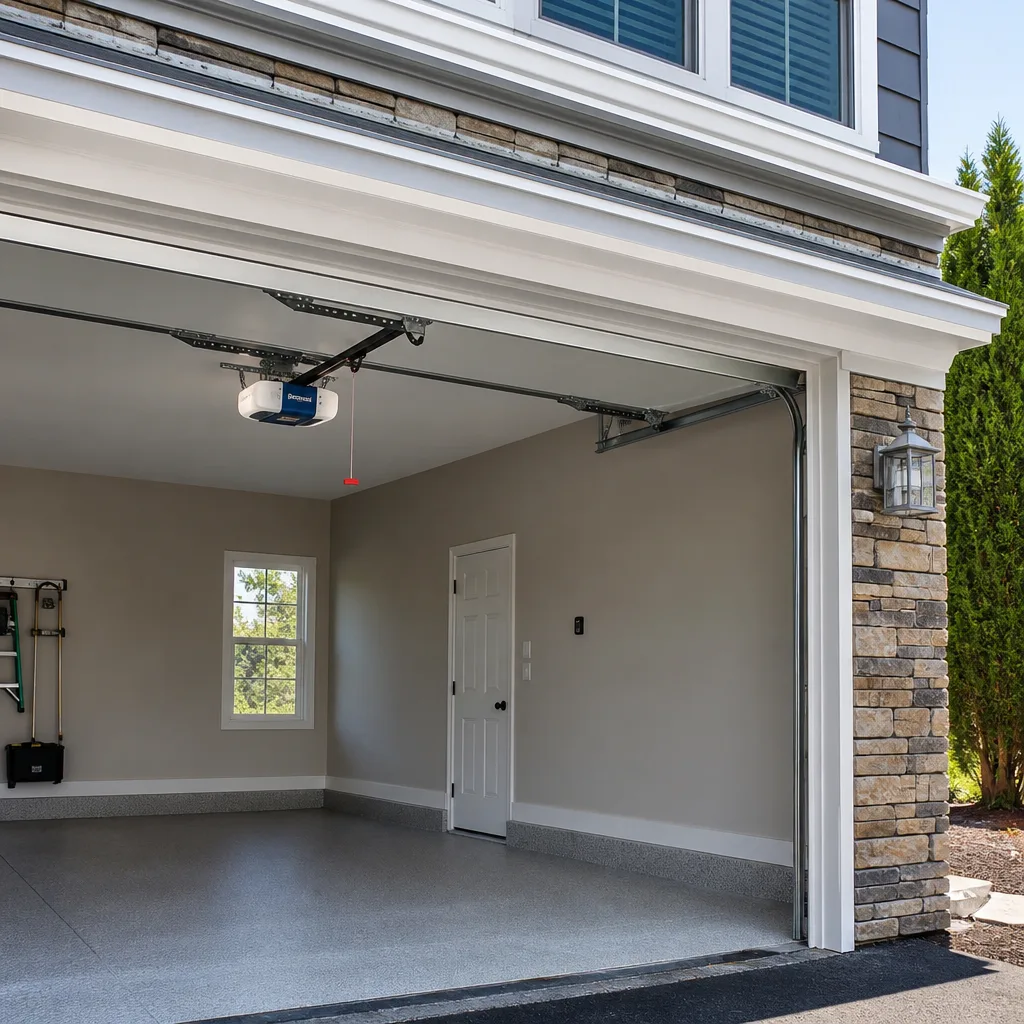 Chamberlain openers
Full 25-point door and opener safety check with every visit - springs, cables, rollers, tracks, and your LiftMaster or Chamberlain opener included
You get a price before we start. It does not change when the truck arrives.
Get your free estimateGarage Door Warning Signs: A Grand Rapids Homeowner’s Reference Guide
Most garage door failures don’t happen suddenly. They announce themselves days or sometimes weeks in advance with sounds, movements, and visual cues that are easy to dismiss. The problem is translation: a grinding noise when the door opens and a grinding noise when it closes are often two entirely different issues with two different price tags. That’s the gap this Grand Rapids reference guide fills. By the time you finish reading, you’ll know what your door is trying to tell you, which symptoms mean “keep an eye on it” versus “stop using this door today,” and how to describe the problem over the phone so you get an accurate answer the first time.
Quick Answer
The most common garage door warning signs in Grand Rapids include grinding or squealing during operation, a door that opens unevenly or jerks, visible rust or fraying on cables, a door that reverses unexpectedly, and increased noise from the opener motor. Springs, cables, rollers, and the opener itself all fail in predictable ways. Learning to read these signals early means the difference between a $150 roller replacement and a $700 spring failure that leaves your car trapped inside.
Styles & brands we work with
Table of Contents
- What You Hear: A Sound-by-Sound Symptom Index
- What You See: Visual Warning Signs on the Door and Hardware
- What You Feel: Movement and Resistance Signals
- Monitor It vs. Stop Using the Door Today
- How Grand Rapids Weather Creates False Alarms
- Three Signs Your Door Is a Safety Hazard for Kids and Pets
- How to Describe Symptoms for an Accurate Phone Estimate
What You Hear: A Sound-by-Sound Symptom Index
Your garage door makes noise every time it moves. Most of it is harmless: the low rumble of rollers on track, the soft whir of an opener motor, the faint rattle of hinges doing their job. But certain sounds are your door’s version of a check engine light. Here’s what Grand Rapids homeowners tell us they hear, and what each sound actually means.
A grinding or metallic scraping noise when the door moves
If you hear grinding or scraping that sounds like metal on metal, you’re almost certainly dealing with worn rollers. Most garage doors in Grand Rapids homes originally came with steel rollers that have ball bearings inside. When those bearings wear out, the roller stops rolling and starts dragging. The fix is usually straightforward: replace the rollers with nylon ones, which are quieter and last longer. On doors like Wayne Dalton and Clopay models, this is one of the most common repairs we perform. But here’s the nuance: if the grinding only happens when the door closes and comes from one side, you might have a bent track. If it only happens when the door opens, the issue could be worn hinges or a misaligned roller. These are different fixes with different costs, and knowing which one you’re hearing saves you from paying for a broad diagnostic visit.
A loud bang or snap from above the door
This is the sound of a torsion spring breaking. It is unmistakable and unforgettable. When the spring snaps, the sudden release of tension sounds like a gunshot inside your garage. If you hear this, do not open the door manually or with the opener. The door is now dangerously heavy, and the spring is under partial tension. This is the most serious garage door emergency outside of a door falling off its track. Call a professional immediately. A broken torsion spring is not a DIY fix. The stored energy in these springs can cause serious injury even when you think they’re fully unwound.
A squealing or high-pitched whine during operation
Squealing usually comes from one of two places: dry rollers or a dry opener chain or belt. If the squeal tracks with the door’s movement and seems to come from the sides, it’s the rollers or hinges needing lubrication, or worn rollers reaching the end of their life. If the squeal seems to come from the opener unit itself and happens even when the door isn’t attached to the opener, the opener’s drive system needs attention. In our experience with LiftMaster and Chamberlain openers across Grand Rapids, a high-pitched whine from the motor head often means the drive gear is wearing down. That’s an opener repair, not a door repair. They’re different skill sets, and we handle both.
What You See: Visual Warning Signs on the Door and Hardware
Some warning signs don’t make a sound until it’s too late. You need to look at your door, and not just when something goes wrong. A monthly visual check takes 60 seconds and catches the expensive failures before they happen.
Frayed or rusted cables
The cables on either side of your door are made of braided steel. Over time, especially in humid Grand Rapids summers and slushy winters, those cables can rust, fray, or develop kinks. If you see individual strands poking out from the cable, the cable is failing. It might hold for another month or it might snap the next time you press the button. A snapped cable on a door under spring tension is dangerous: the door can drop suddenly or fly up unevenly. This is a “stop using it” sign. If you see rust on the cables but no fraying, have a technician look at it during your next service. Rust doesn’t reverse itself.
A gap at the bottom of the door
Turn off the garage lights and step inside. If you see daylight under the door, your bottom seal (also called weatherstripping or astragal) is failing. This is common in Grand Rapids because freeze-thaw cycles crack the rubber over time. A failing seal lets in cold air, water, leaves, and in some neighborhoods, mice looking for a warm winter home. The good news: this is one of the cheapest fixes on the whole door. The bad news: homeowners sometimes mistake this for a door alignment problem and call for a service visit they don’t need. If the door opens and closes smoothly but light shows underneath, you need a new seal, not a new door.
Visible rust on springs or hinges
Surface rust on your torsion spring isn’t an emergency, but it’s a countdown. Rust means the spring’s protective coating is compromised. In Grand Rapids, where garage humidity rises every summer and road salt hitches a ride on car tires all winter, springs rust faster than they would in drier climates. If your spring has visible rust and your door is more than five years old, start budgeting for a replacement. A rust-stained spring that still works today can snap without warning next month. We’d rather replace a spring on a schedule you choose than on the day it decides to fail.
What You Feel: Movement and Resistance Signals
What you feel when you operate the door can tell you more than what you see or hear. The key is paying attention to the door’s weight and balance, and to any change in how the opener behaves.
The door feels heavy when you open it manually
Here’s a test you can do safely. Pull the red emergency release cord while the door is closed. Now try to lift the door by hand. It should lift smoothly with moderate effort and stay in place about waist-high. If it feels heavy, like lifting a refrigerator, or if it wants to slam back down, your springs are worn or broken. This test doesn’t require tools and doesn’t put you in danger if you do it exactly as described: door closed, release pulled, lift slowly, pay attention. If the door is heavy, reconnect the opener and call a professional. A door with good springs should feel almost weightless.
The door jerks or stutters during operation
A door that moves in fits and starts is telling you something. If the jerking comes with a grinding noise, it’s usually a roller or track issue. If it’s silent but stuttery, the opener’s gears might be slipping, especially on older Craftsman and LiftMaster units. If one side of the door appears to move before the other, you have a cable tension imbalance. None of these fix themselves. All of them get worse. Jerking movement is your cue to call before the door binds completely and refuses to open or close.
You feel vibration through the wall when the door operates
Put your hand on the wall next to the garage door while someone operates the opener. You’ll feel some vibration; that’s normal. But if the vibration is strong enough to rattle picture frames or you can feel it through the floor of the room above, the door is out of balance. Usually this means one spring is doing more work than the other. On doors with two torsion springs (common on wider doors in the East Grand Rapids and Kentwood areas), one spring often fails first. The door keeps working, but the remaining spring is overstressed and will fail sooner. Vibration you feel through the structure is a warning sign that the balance system is compromised.
Monitor It vs. Stop Using the Door Today
Not every warning sign requires an emergency call. But some do. Here’s how to sort them.
Stop using the door today if you notice any of these:
- A snapped or broken spring. You’ll know it when it happens. Don’t try to open the door.
- Frayed cables with visible broken strands. Cables under tension can snap and cause injury.
- A door that falls when released. This means the springs have failed completely.
- A door that comes off its track. Continuing to operate it can pull the whole assembly down.
- Any sign that the door is leaning or sagging to one side. This usually means a structural issue is developing.
Monitor it (and plan for service soon) if you notice any of these:
- Increased noise that’s new but not grinding. Squealing or rattling that wasn’t there before means wear is happening.
- Rust on springs, cables, or hinges without fraying or breakage. It’s a timeline, not an emergency.
- Slow opener response. A delay between pressing the button and movement, or a door that moves slower than it used to.
- Light under the door. A seal issue that affects heating bills but doesn’t stop the door from working.
- Slight unevenness when closing. If one side touches down a half-second before the other, watch it over the next week.
How Grand Rapids Weather Creates False Alarms
Grand Rapids has a specific climate pattern that creates garage door symptoms that look like mechanical failures but aren’t. Knowing the difference saves you money and anxiety.
The freeze-stick problem
When temperatures drop below freezing after a wet day or an ice storm, the bottom seal on your door can freeze to the concrete. You press the opener, the motor strains, and the door either doesn’t move or jerks upward with a cracking sound. That sound is ice breaking, not your door. The fix is simple: pour warm (not boiling) water along the bottom seal or use a de-icing product rated for concrete. Don’t keep forcing the opener, which can strip gears on a LiftMaster or Chamberlain unit. And don’t chip at the ice with a shovel, which tears the seal. If the door still won’t move after the ice melts, then you have a mechanical issue worth calling about.
The humidity rust illusion
Grand Rapids summers bring humidity that condenses on metal surfaces inside uninsulated garages. Homeowners sometimes see rust on springs and panic, assuming failure is imminent. Surface rust on a spring that’s less than three years old is usually cosmetic. The spring’s galvanized coating is doing its job. What you’re watching for is deep rust with flaking or pitting, which indicates real corrosion. If you’re not sure which kind you have, take a photo and have a professional look at it. We’ve had Grand Rapids homeowners send us pictures of perfectly healthy springs they thought were about to snap. Honest diagnosis goes both ways.
The thaw cycle track shift
The ground under your concrete slab moves during freeze-thaw cycles. It’s a fact of life in West Michigan. Over years, this movement can shift your garage door tracks just enough to cause rubbing or slight unevenness that comes and goes with the seasons. If your door binds a little in January but operates fine in July, the issue might be the ground, not the door. A technician can adjust the track to compensate, but you should mention the seasonal pattern so they don’t go looking for a problem that isn’t there. This is also why we recommend checking your door’s operation in the spring and fall, when the weather is most stable.
Three Signs Your Door Is a Safety Hazard for Kids and Pets
A garage door that opens and closes isn’t necessarily a safe door. These three signs matter if you have children or pets who play in the driveway or the garage. They matter even if the door works perfectly.
1. The auto-reverse function fails the roll test
Since 1993, federal law requires every automatic garage door opener to reverse when it hits an obstruction. But law and function are different things. The test: place a roll of paper towels flat under the door’s path and close the door. It should reverse within two seconds of contact. If it doesn’t, the opener’s force settings are too high or the sensor system is failing. This is the single most important test you can do as a homeowner, and most people have never done it. A door that fails this test is a real danger. The repair is usually a sensor or force adjustment, but it requires a professional who knows opener electronics, not just door hardware.
2. The sensor eyes are misaligned or covered
The photo-eye sensors near the bottom of each track are the primary safety feature on any modern door. If they’re misaligned, dirty, or blocked, the door won’t close, or worse, it’s been bypassed by a previous owner who got tired of the inconvenience. Bypassed sensors mean the door will close on anything in its path. We’ve seen this in older Grand Rapids homes where a previous owner “fixed” the problem by taping the sensors together and wiring them to the opener. If your door closes when something crosses the sensor path, that’s a bypass condition and it needs to be corrected immediately. This is an opener repair we handle on every major brand, from Genie to Craftsman.
3. The door droops when fully open
Stand inside your garage with the door fully open and look at the horizontal track. The door should sit level on the tracks, parallel to the ceiling. If it sags in the middle or tilts slightly to one side when open, the door is unbalanced and the opener is holding more weight than it was designed to. If the door falls from the open position, it can come down with enough force to seriously injure anyone underneath. This is subtle. It takes a careful eye to see. But once you know to look for it, you’ll check it every time you open the door. On Amarr and Wayne Dalton doors, which are common in the Grand Rapids market, this droop usually signals a spring tension issue that can be corrected before it becomes dangerous.
How to Describe Symptoms for an Accurate Phone Estimate
When you call a garage door company, the person on the other end is trying to figure out what’s wrong without seeing the door. The more precisely you describe the problem, the better your chances of getting an accurate estimate. Here’s the exact process we recommend to Grand Rapids homeowners.
Step 1: Note when the symptom happens
Does the noise happen when the door opens, when it closes, or both? Does the door act up only when it’s cold? Only when it’s humid? Only when you use the remote rather than the wall button? Write down the pattern before you call. “It grinds on the way down, but it’s quiet going up” tells a technician more than “it’s making a noise.”
Step 2: Locate the sound or movement
Stand in different spots while the door operates. Does the sound come from the left side, the right side, the center, or the opener unit above? Can you feel it in the wall when you touch it? Can you see if one side moves before the other? These details narrow the diagnosis from “could be anything” to “most likely this.”
Step 3: Describe what changed, not just what’s happening
The most useful sentence a homeowner can say is some version of this: “The door used to be quiet and now it rumbles when it goes down.” That tells us the baseline changed, which rules out normal wear-and-tear as the explanation. Technicians can estimate better when they know the problem is new.
Step 4: Mention your door brand and opener brand
This matters more than most homeowners realize. A Clopay door with a LiftMaster opener and a Raynor door with a Genie opener, as covered in our Choosing the Right Garage Door Brand: A Buyer’s Guide for Grand Rapids, have different common failure points. Knowing the brands before we arrive means carrying the most likely parts on the truck. Sunshine Garage Door Service works on all eight of the major brands homeowners in Michigan install: LiftMaster, Chamberlain, Genie, Clopay, Amarr, Wayne Dalton, Craftsman, and Raynor. When you tell us your brands, we show up prepared.
Step 5: Be honest about what you already tried
Did you spray WD-40 on the rollers? Did you tighten any bolts? Did you watch a YouTube video and adjust the opener settings? Tell us. There’s no judgment, and knowing what’s been done saves time and prevents us from making the problem worse. Plenty of Homeowners in Grand Rapids have made things worse by “fixing” a symptom before calling. We’d rather hear the full history.
Common Mistakes to Avoid
- Lubricating the wrong parts with the wrong product. WD-40 is a solvent, not a lubricant. Spraying it on nylon rollers or the door’s hinges strips away the bearing grease and makes the problem worse. Use a lithium-based or silicone-based lubricant designed for garage doors, and only on metal-to-metal contact points. Many Grand Rapids homeowners learn this the hard way every spring.
- Ignoring a noisy door because “it still works.” Garage doors don’t get quieter with time. A grinding noise today is a broken roller or bent track next month. Noise is the earliest and cheapest warning sign to address. Waiting turns a $50 part into a $300 repair.
- Replacing the opener when the springs are the problem. When a door suddenly works poorly, homeowners often blame the opener. But if the opener motor runs and the door doesn’t move, or the door is heavy when you lift it manually, the springs are dead. A new opener won’t fix a broken spring. We see this all the time. Someone spends $400 on a new opener and the door still won’t lift because the springs were the issue all along.
- Overlooking the garage door’s safety sensors during a pre-purchase home inspection. If you’re buying a home in the Grand Rapids area, have the garage door system checked separately from the general home inspection. General inspectors often don’t test the auto-reverse function or assess spring condition. We’ve seen doors with 20-year-old springs pass an inspection because the door still opened and closed.
- Attempting spring replacement as a DIY project. Torsion springs are under several hundred pounds of tension. The specialized winding bars and high-tension release process is not something to learn from a video. Every year, people are seriously injured attempting this. This is the one repair where we’re adamant: call a professional. The cost of a service call is nothing compared to a trip to the ER.
See the difference
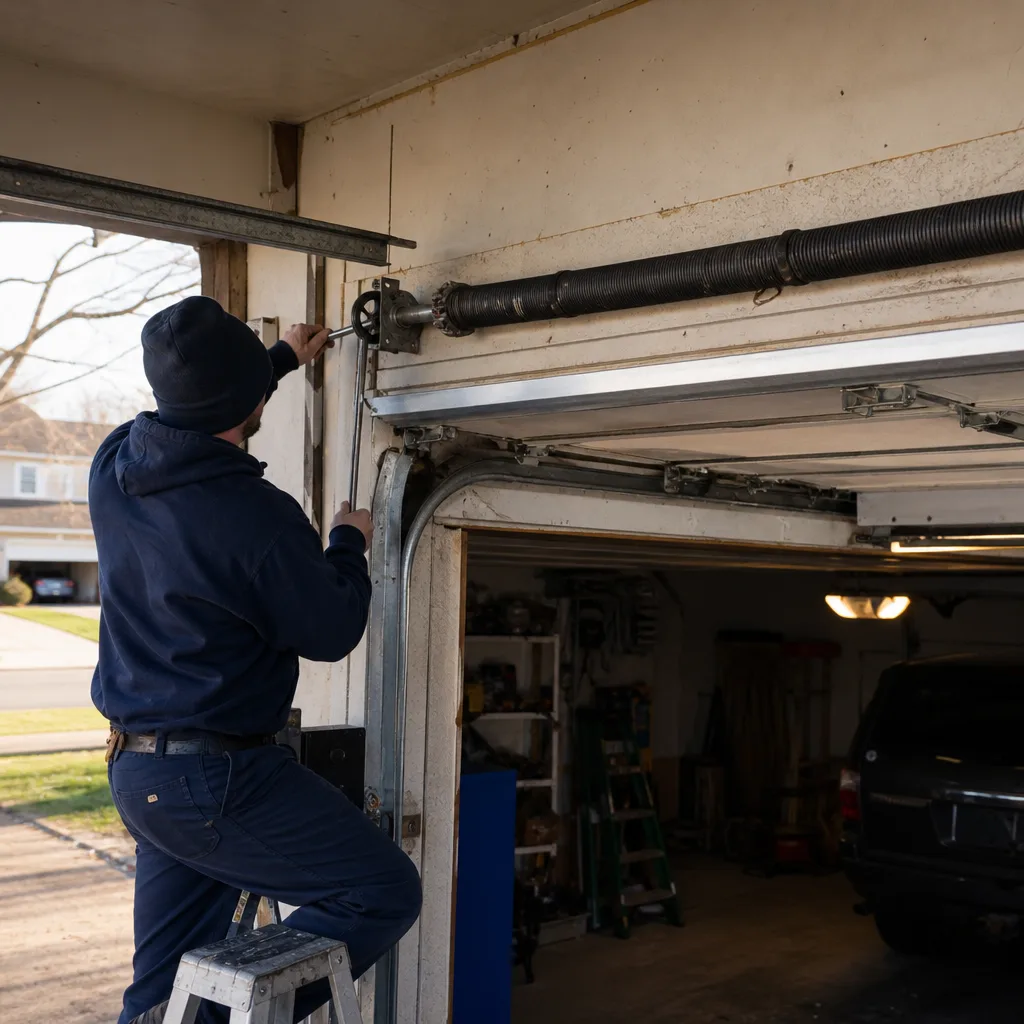 Before
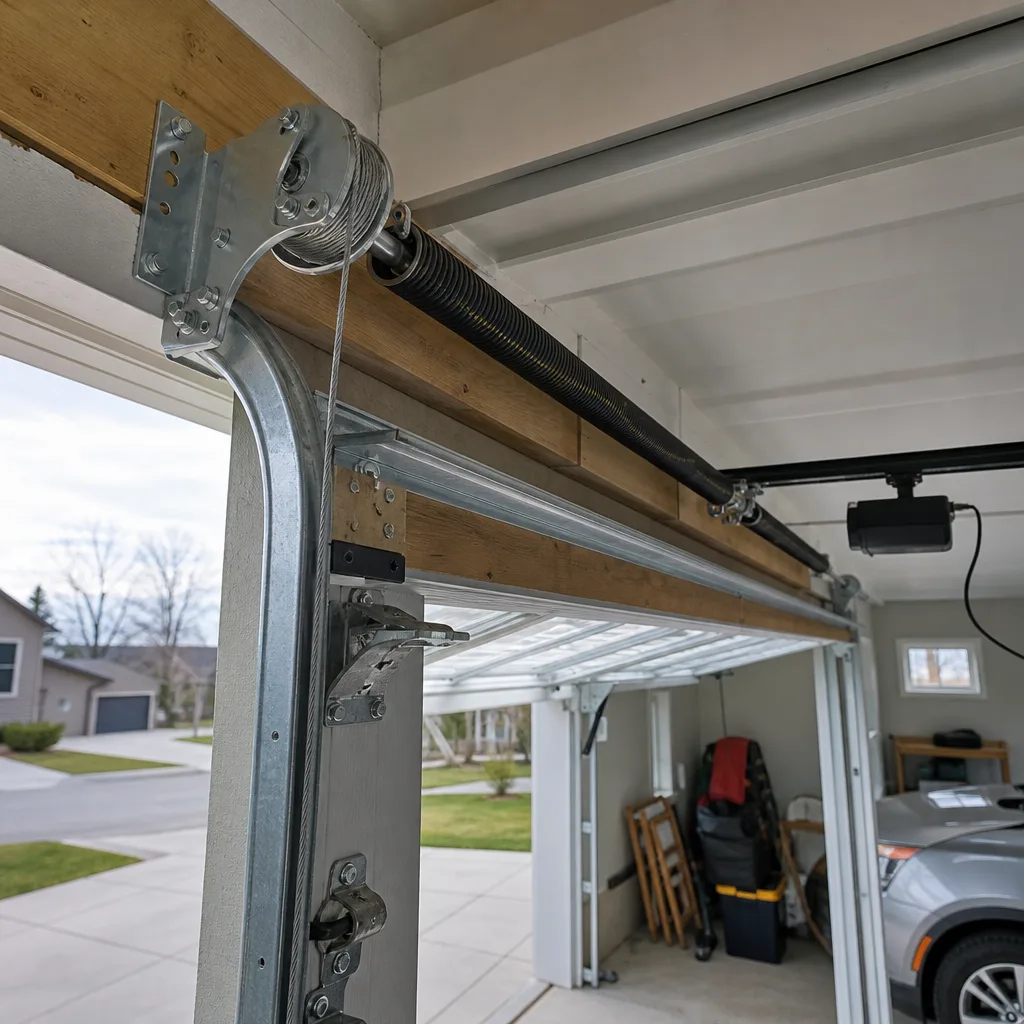 After
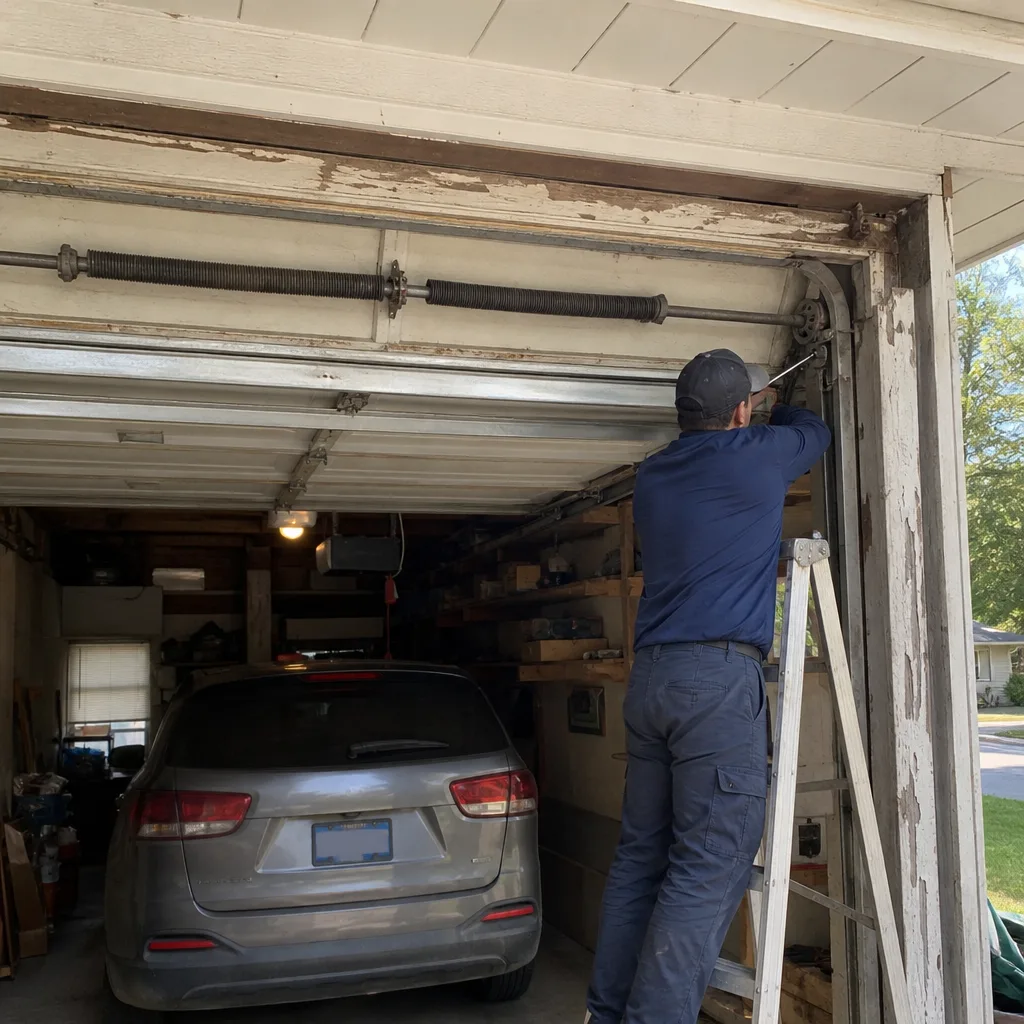 Before
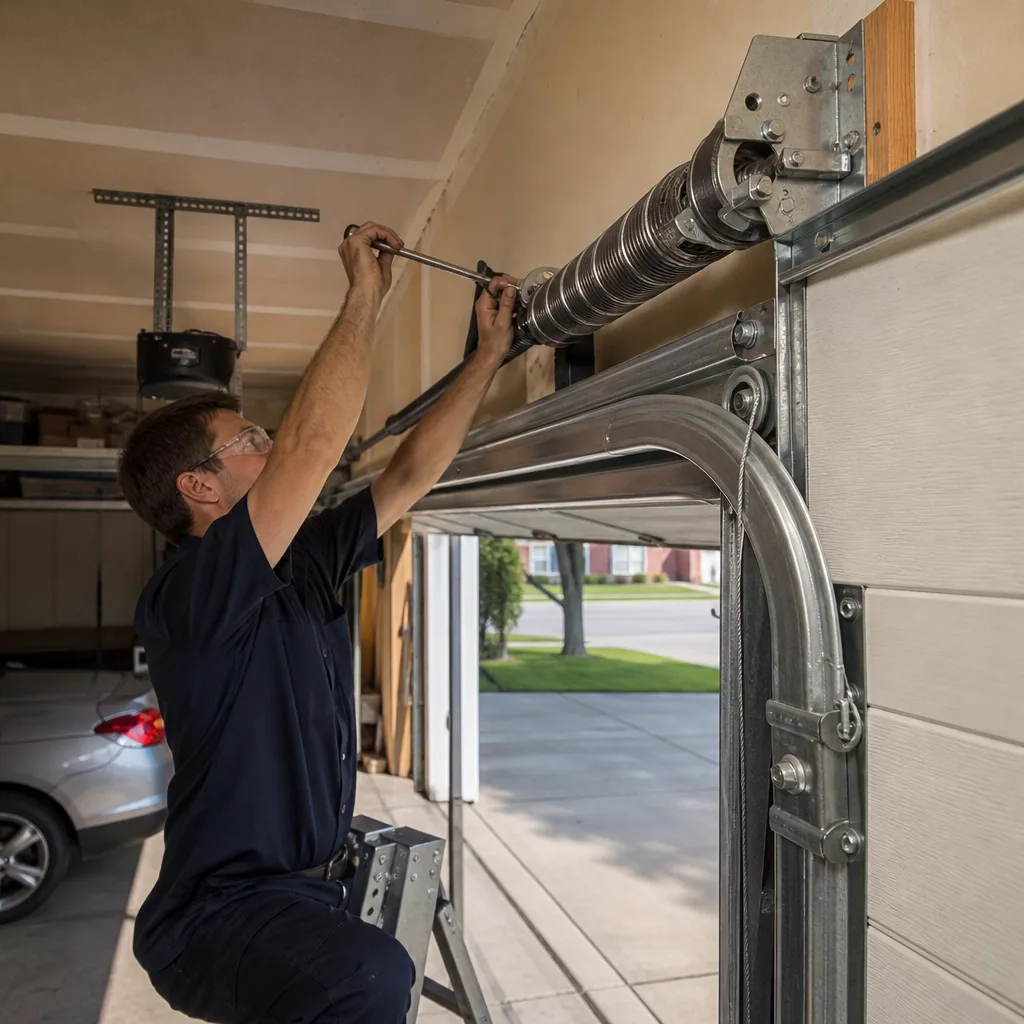 After
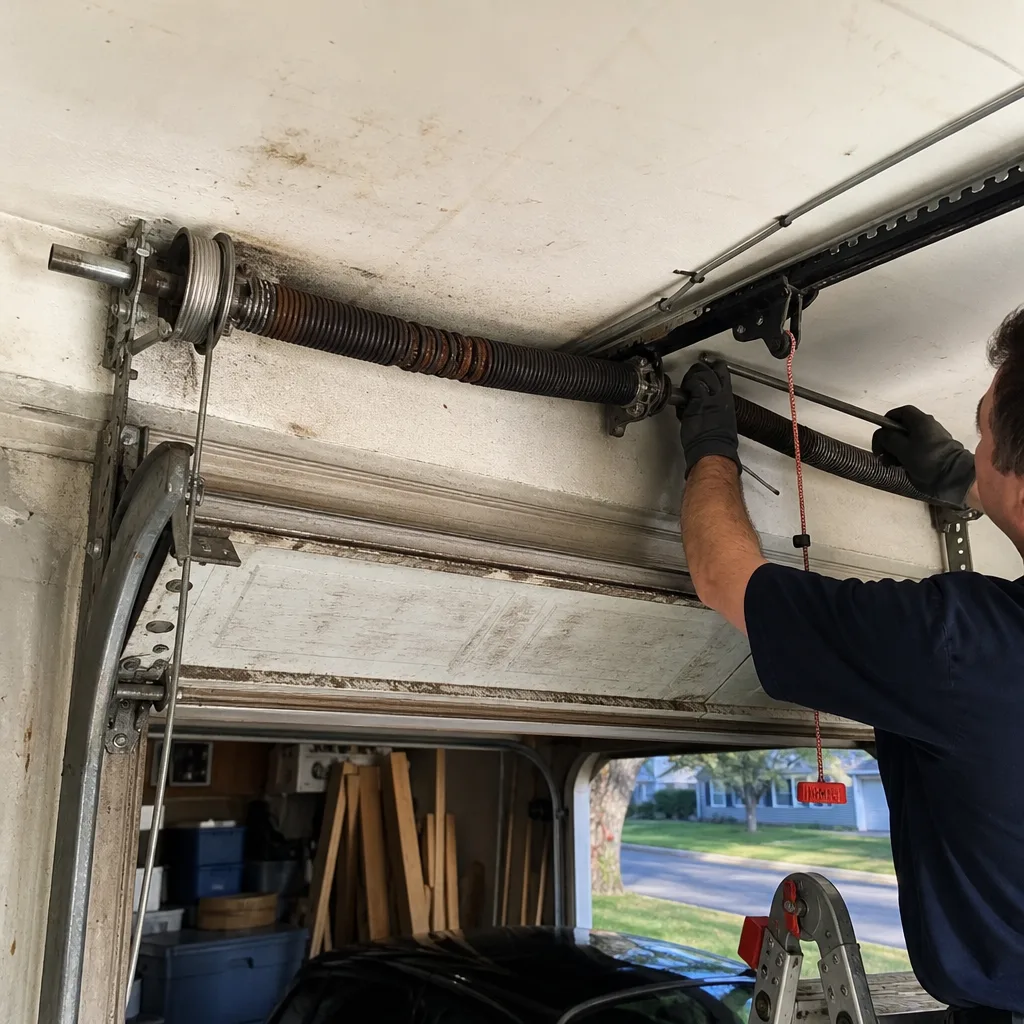 Before
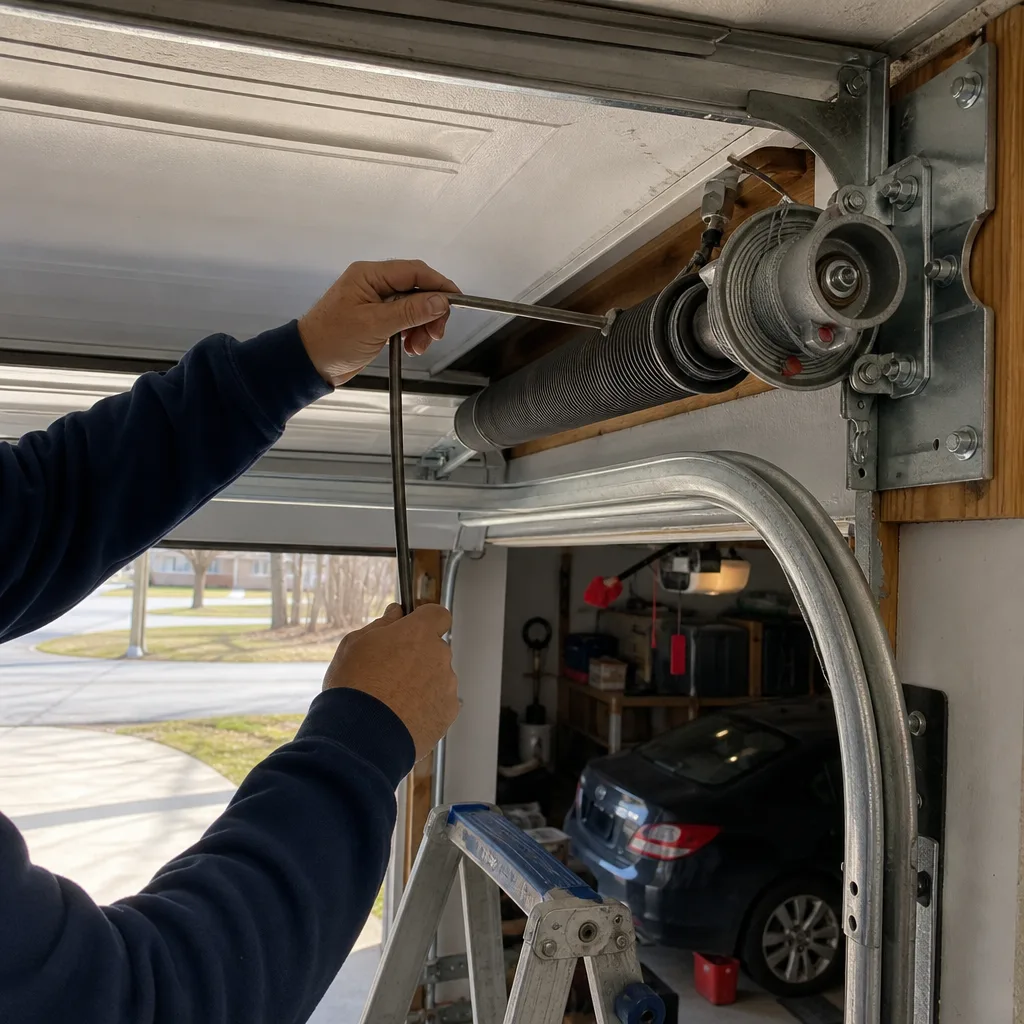 After
When to Call a Professional
Some warning signs you can monitor. Some you can fix yourself with a quick seal replacement or lubrication. But springs, cables, and opener electronics are safety-critical systems. If your door fails the paper-towel auto-reverse test, if you hear a snap, if you see frayed cables, or if the door feels heavy when you operate it manually, stop using the door and make the call. The right professional for this work is one who knows doors and openers on all the major brands, not just one manufacturer’s lineup. Sunshine Garage Door Service home offers free estimates in Grand Rapids. Call (866) 491-7155 and describe what you’re seeing. We’ll give you an honest read before we ever set foot in your garage, and the price is quoted and agreed upon before any work starts. That’s the way it should work.
Frequently Asked Questions
A loud bang or snap when your garage door opens (or when you try to open it) is almost always a torsion spring breaking. The spring releases its stored tension all at once, which sounds like a gunshot. Stop using the door immediately and call a professional. A broken spring means the door is now extremely heavy and dangerous to operate, even manually. Sunlight can help prevent this by catching rust and wear early, but once you hear the bang, repair is the only option.
Grinding only on the opening cycle usually means the rollers or hinges are binding in a specific position, or the door is slightly off-track on one side. The angle of the door changes between opening and closing, which changes where the pressure falls. This pattern narrows the diagnosis considerably. Tell your technician exactly which direction makes the noise and which side it seems to come from. That detail saves diagnostic time and gets you a more accurate price on the phone.
Yes, but usually through a combination of factors rather than cold alone. Freezing temperatures can crack rubber seals, freeze doors to the ground, and accelerate rust on exposed metal parts. The bigger issue is repeating freeze-thaw cycles that shift the concrete slab over time, gradually moving the track alignment. A door that operates fine all summer and gets stiff every January is telling you the tracks are reacting to the ground movement. This is a common pattern we see on garage doors in Grand Rapids and the surrounding Kent County area.
Door repair covers the physical door system: springs, cables, rollers, tracks, hinges, and panels. Opener repair covers the electrical and mechanical components of the opener: the motor, drive belt or chain, circuit board, safety sensors, and remote controls. They’re different disciplines. A technician who’s great at springs might not specialize in opener electronics. At Garage Door Opener Repair in Kentwood, we handle both on all the major brands, from LiftMaster and Chamberlain to Genie and Craftsman. That means one call covers the whole system.
This depends on the condition of the panels versus the condition of the hardware. If the panels are solid and the door is square, new springs, rollers, and cables can add a decade of life. If the panels themselves are rusted through, cracked, or warped, patching becomes a losing game. Rust on the door’s bottom panel is a common issue in Grand Rapids garages where snow and slush collect. A good rule: if the repair cost approaches 50% of a new door’s price, start comparing. We can help with that math whether you’re looking at Garage Door Repair in Kentwood or Garage Door Installation in Kentwood. And if your door is a Wayne Dalton or Clopay, you can often replace just the bottom panel rather than the whole door, if the model is still in production.
Once a year is a reasonable schedule for most Grand Rapids homes, especially in the spring after a hard winter, as outlined in our Seasonal Garage Door Care for Grand Rapids: Year-Round Homeowner’s Guide. A inspection should cover spring tension, cable condition, roller wear, track alignment, opener force settings, auto-reverse function, and seal integrity. It takes about 30 minutes for a thorough check. We recommend it around May or June after the last freeze, so you catch any winter damage before the summer heat accelerates wear. Some homeowners in Kentwood and East Grand Rapids schedule their check for the same month every year so they don’t forget. The pre-winter months are also common.
The Bottom Line
Your garage door speaks a language of sounds, sights, and movements, and you can find more guides & resources to help you understand it. Grinding rollers, squealing openers, frayed cables, and heavy doors each carry a specific meaning. Learning that meaning early is the difference between a quick, affordable fix and a full-blown failure that traps your car and empties your wallet. Grand Rapids weather adds its own layer of complexity, from frozen seals to shifting slabs, so knowing which symptoms are seasonal and which are mechanical saves you money and worry. When in doubt, describe the symptom precisely and call a professional who knows doors and openers on every major brand. Your door will tell you what’s wrong. Now you know how to listen.
Call (866) 491-7155 for a free estimate. Our team works on LiftMaster, Chamberlain, Genie, Clopay, Amarr, Wayne Dalton, Craftsman, and Raynor. If your door is making noise, moving oddly, or just doesn’t feel right, we’ll diagnose it and give you the price before any work begins.
Written by the team at Sunshine Garage Door Service, serving Grand Rapids since 2013.