
Last updated October 31, 2026
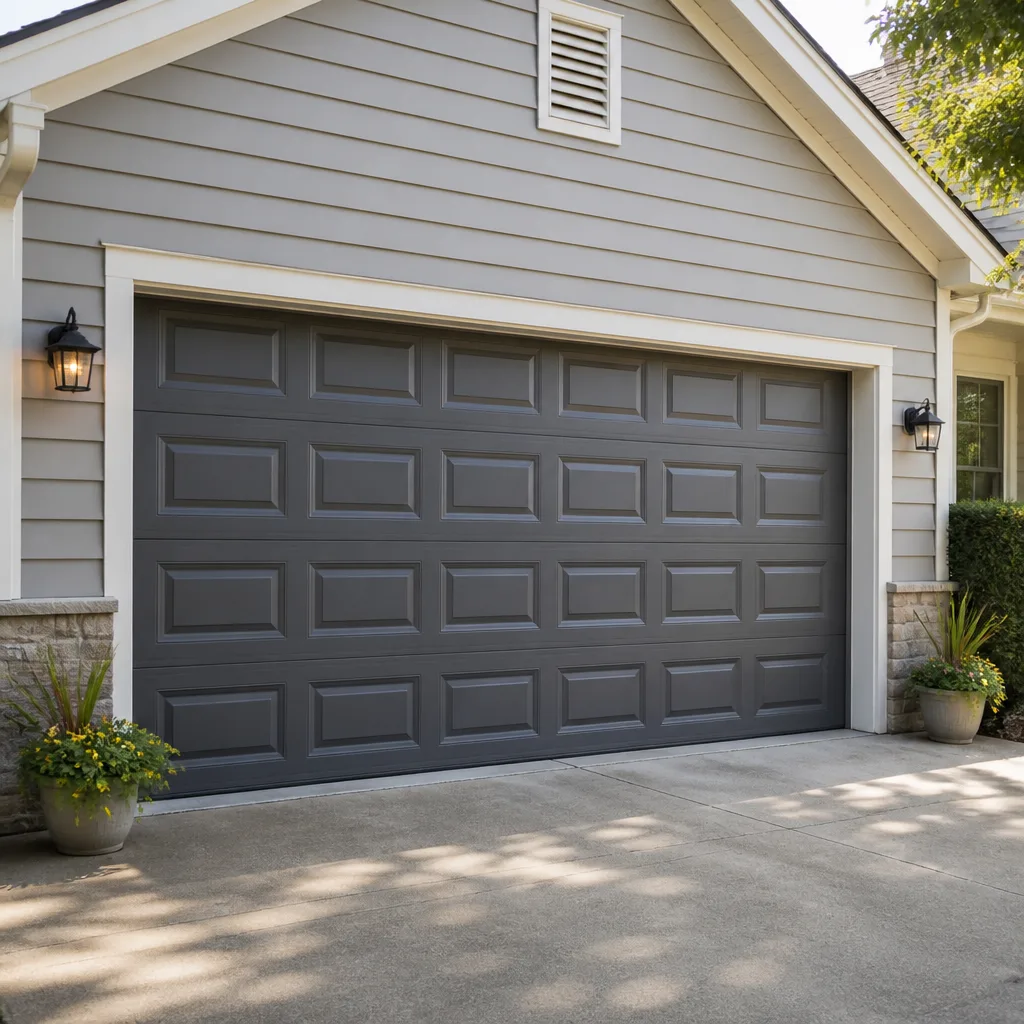 Raised-panel steel
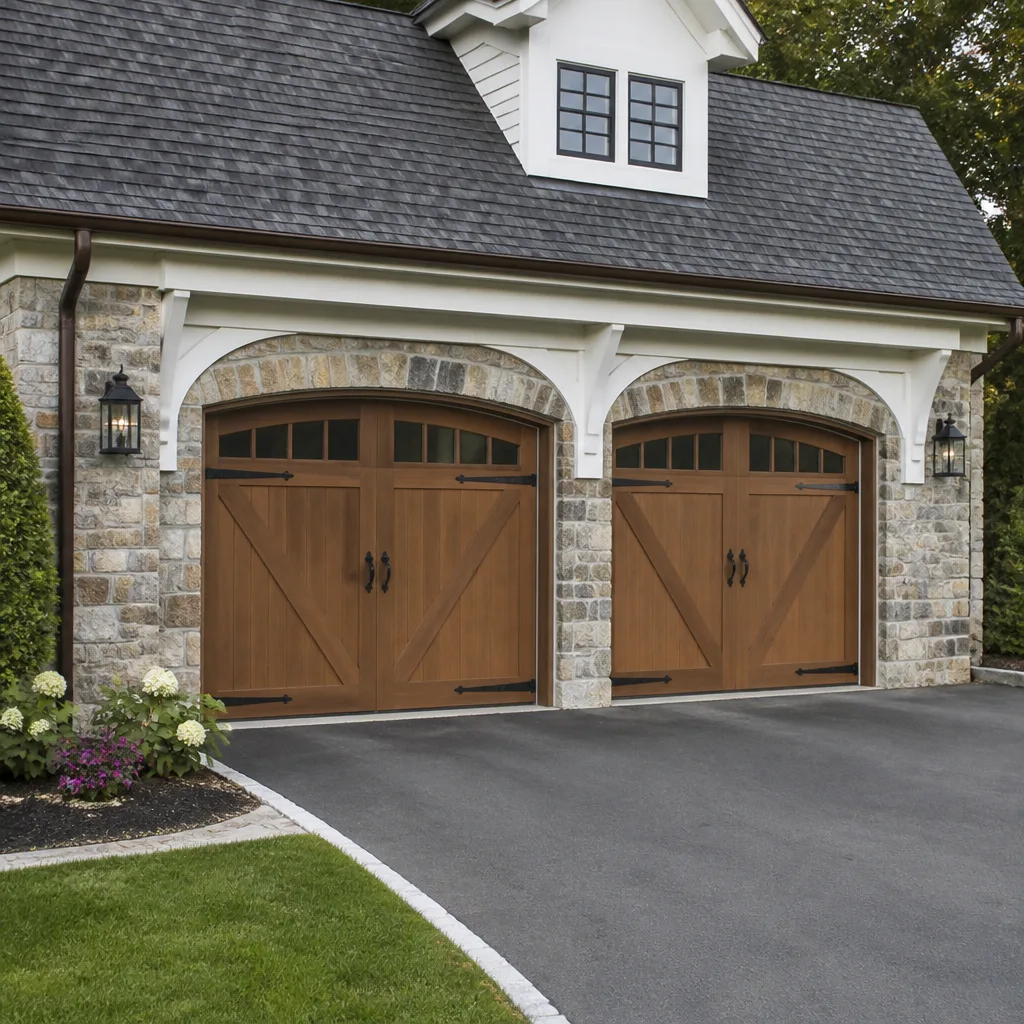 Carriage house
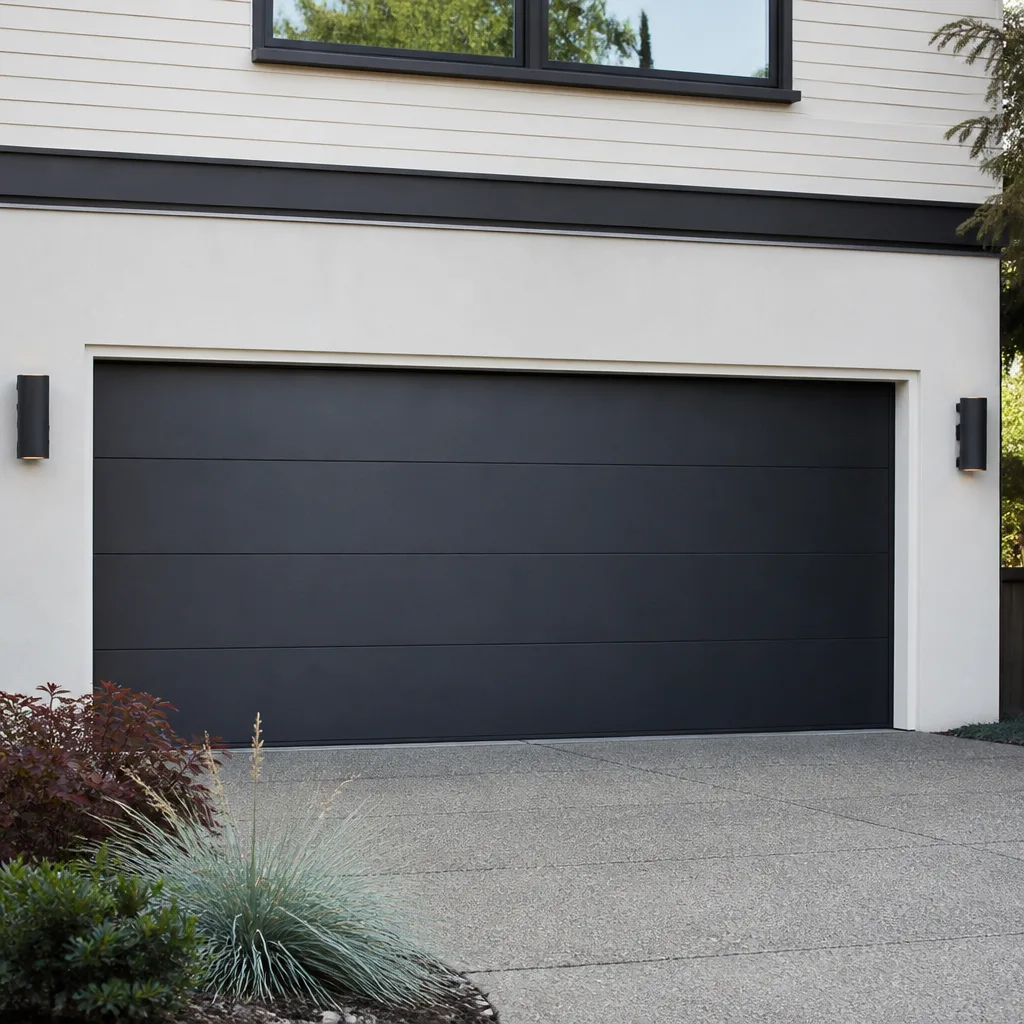 Modern flush
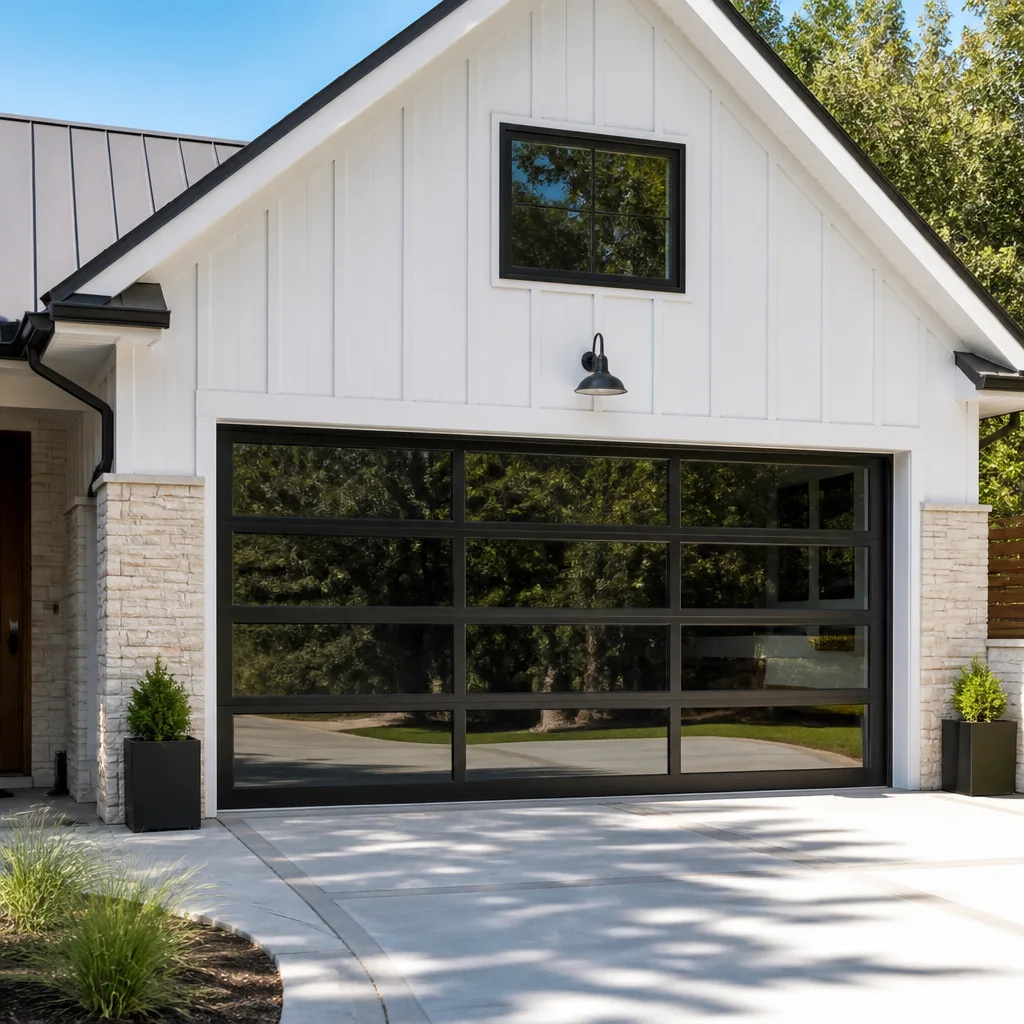 Full-view glass
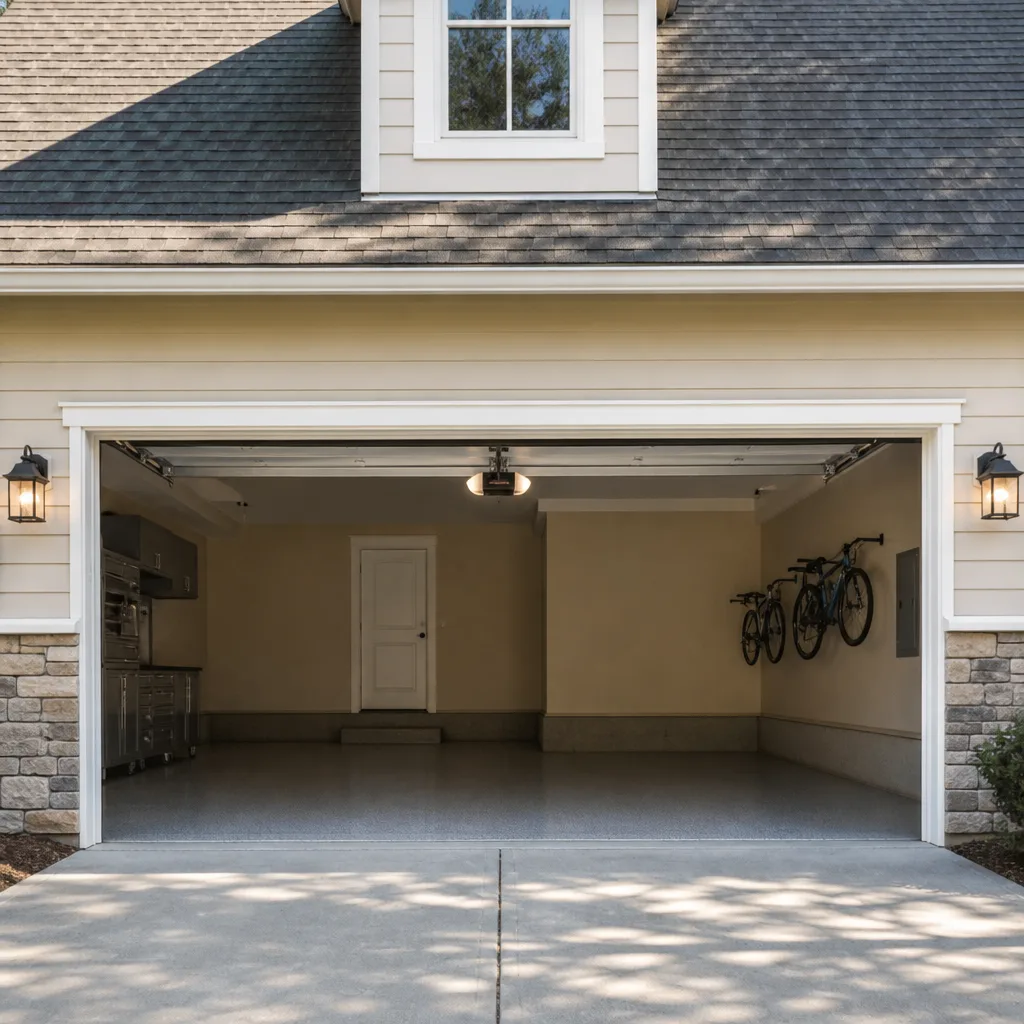 LiftMaster openers
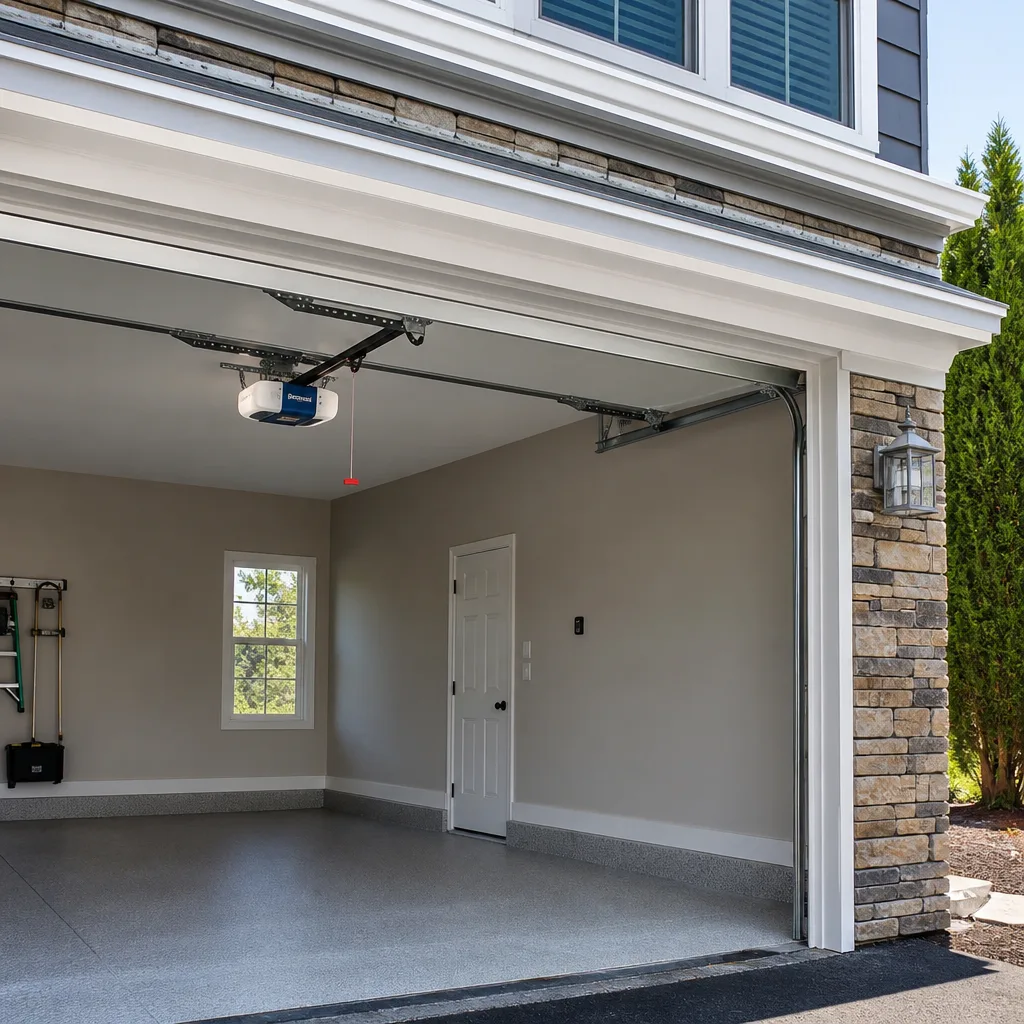 Chamberlain openers
Full 25-point door and opener safety check with every visit - springs, cables, rollers, tracks, and your LiftMaster or Chamberlain opener included
You get a price before we start. It does not change when the truck arrives.
Get your free estimateGarage Door Permits, Codes & Inspections in MI: What You Need to Know
A Grand Rapids homeowner listed their house and discovered three weeks before closing that the garage door opener installed by the previous owner failed to meet Michigan’s current UL 325 safety standard. The buyer’s inspector flagged it, the lender paused the deal, and a $180 opener turned into a $1,900 closing credit. Permits and codes aren’t bureaucracy. They’re the difference between a garage door that protects your family and one that quietly becomes a liability you’ll pay for later. This guide walks you through exactly when Michigan requires a permit, how Grand Rapids and Kent County municipalities differ, what ‘code compliant’ actually means, and how to avoid the mistakes we’ve watched cost homeowners real money. For more guides & resources, visit our blog.
Styles & brands we work with
Quick Answer
In Michigan, garage door replacement using the existing opening typically does not require a building permit, but new garage door installations, enlarging or cutting a new opening, and any structural header work usually do. Opener installations must meet UL 325 safety standards regardless of permit status. Attached garages need fire-rated doors, and unpermitted work can surface during title searches and insurance claims.
Table of Contents
- When You Need a Permit in Michigan (and When You Don’t)
- How to Look Up Your Municipality’s Rules in Kent County
- UL 325 Compliance: What It Means for Garage Door Openers
- Fire-Rated Doors for Attached Garages: What Michigan Requires
- How Unpermitted Garage Door Work Affects Insurance and Resale
- What a Michigan Garage Door Inspection Actually Checks
- Common Mistakes to Avoid
- When to Call a Professional
- Frequently Asked Questions
- The Bottom Line
When You Need a Permit in Michigan (and When You Don’t)
Michigan’s building permit rules come from the Michigan Residential Code (MRC), which the state adopts and local municipalities enforce. The short version: replacing an existing garage door in the same opening, same size, same structural configuration, generally does not require a permit. You’re swapping a door, not changing the structure. But the moment you touch the opening itself, the rules shift.
Here’s what Michigan’s code framework means for homeowners, based on how municipalities in Kent County and across the state apply it:
- Replacing a door in an existing, unchanged opening: No permit required in most Michigan municipalities, including Grand Rapids and Kentwood. This covers taking out an old Clopay or Wayne Dalton door and putting in a new one the same size.
- Installing a garage door where none existed: Permit required. You’re creating a new opening or enclosing a carport, which changes the building envelope and brings structural, wind-load, and fire-separation requirements into play.
- Enlarging or resizing the opening: Permit required. Cutting a wider or taller opening means a new header, which is structural work that needs engineering review and inspection.
- Replacing the header above the door: Permit required even if the door itself stays the same size. The header carries roof load, and Michigan inspectors will want to see it sized and installed correctly.
- Converting a garage to living space and removing the door: Permit required. This changes use, insulation, egress, and fire separation rules.
- Adding a second floor above the garage: This triggers a full structural review of the garage door opening, because the header now carries significantly more weight.
The confusing part for most homeowners is the gap between “I’m just getting a new door” and “the city says I need a permit.” The trigger isn’t the door. It’s the opening. If the opening doesn’t change, neither does your permit obligation in most of Michigan.
One more distinction worth knowing: some Michigan municipalities issue a single “building permit” that covers the door and opener together, while others treat the opener’s electrical work separately under an electrical permit. Grand Rapids and most Kent County townships follow the first approach for simple replacements but may require a separate electrical inspection if new wiring is run for an opener.
We’ve watched homeowners in Grand Rapids neighborhoods like Alger Heights and Creston get tripped up by this exact nuance. The door installers show up, the opener goes in, and nobody thinks about permits until the electrical inspector asks who ran the new circuit. When we do a garage door installation in Kentwood or Grand Rapids, we tell customers upfront whether their project needs a permit so there are no surprises later.
How to Look Up Your Municipality’s Rules in Kent County
Michigan is a home-rule state, which means each city and township adopts its own building code ordinance. The Michigan Residential Code sets the baseline, but Kent County’s municipalities layer their own amendments on top. That’s why a homeowner in Grand Rapids might need something different than a homeowner five miles away in Byron Township.
Here’s the step-by-step process we recommend for finding your specific permit requirements:
- Identify your jurisdiction. If you live in an incorporated city like Grand Rapids, Kentwood, or Wyoming, you go to that city’s building department. If you live in a township like Cascade, Plainfield, or Gaines, you go to the township’s building official or Kent County’s building department if the township contracts with the county.
- Search for “[your municipality] building permit garage door” online. Most Kent County municipalities publish permit requirement sheets or quick reference guides. Grand Rapids has a clear residential permit page, and Kentwood’s building department lists permit thresholds by project type.
- Look for the word “like-for-like” or “replacement.” If the permit application or FAQ says a like-for-like door replacement doesn’t need a permit, that’s your answer. If it says anything about “alteration,” “enlargement,” or “new opening,” assume you need a permit.
- Call the building department and ask three specific questions: “Does replacing my garage door in the same opening require a permit?” “Does adding or replacing a garage door opener require an electrical permit?” “What inspection do you require after installation?” Write down the name of the person who answers and the date. If there’s ever a dispute at resale, having that call on record helps.
- Check the permit fee schedule. Simple garage door permits in Kent County municipalities typically run $50 to $150 depending on the jurisdiction and project valuation. This is a rounding error compared to the cost of fixing unpermitted work at resale.
One thing Michigan homeowners consistently overlook: some municipalities require a permit for demolition of a garage or garage door, even when no new construction follows. If you’re removing a door to turn the garage into a workshop or storage room, check whether your municipality wants a demolition permit on file.
UL 325 Compliance: What It Means for Garage Door Openers
UL 325 is the Underwriters Laboratories safety standard for automatic gate and garage door operators. It exists because garage door openers were crushing and entraping people, particularly children, before federal law and industry standards forced manufacturers to address it. In Michigan, the MRC incorporates UL 325 by reference, which means an opener that doesn’t meet the current standard is a code violation even if it still opens and closes. See our Garage Door Repair Troubleshooting: Common Problems and How to Fix Them for help diagnosing common opener failures.
The standard requires two independent safety systems on residential openers: a reversing mechanism that detects obstruction (the door hits something and reverses) and a secondary entrapment protection device, which in practice means photoelectric sensors (the “electric eyes” near the bottom of the door opening). If either system fails, the opener fails inspection.
Here’s what trips up Michigan homeowners most often:
- Older openers that pre-date the 1993 mandate. If your opener was manufactured before 1993, or if it’s a newer unit with the safety sensors removed or spliced with jumper wires, it fails UL 325. This is exactly what happened in that Grand Rapids real estate transaction from the opening. The previous owner had a working-but-uncompliant opener, and it became a closing problem.
- Sensor height and alignment. The sensors must be mounted no higher than 6 inches above the floor and aligned so the beam actually connects. If the sun hits just the right angle in a west-facing Grand Rapids garage door and washes out the beam, you may have a working door that fails a UL 325 inspection.
- Force settings that are too high. Technicians sometimes turn up the closing force to make a stiff door go down. That creates both a safety hazard and a compliance failure, because a properly adjusted opener should reverse on contact with a 2×4 block laid flat under the door.
- Entrapment protection on one-piece doors. These use a different sensing arrangement, and getting it wrong is common enough that we check it on every call.
We service garage door openers in Kentwood and throughout Grand Rapids, and the UL 325 conversation comes up on a meaningful portion of repair calls. A Chamberlain or LiftMaster opener from 1999 might still work, but it doesn’t meet the standard, and no reputable company will tell you it’s fine just because the motor runs. If you’re not sure whether your opener meets UL 325, the fastest check is to look for the photoelectric eyes near the floor and test that the door reverses when it contacts resistance. If either is missing, request an inspection.
Fire-Rated Doors for Attached Garages: What Michigan Requires
Any garage door that separates a garage from living space must meet fire separation requirements under the Michigan Residential Code. For attached garages, that typically means a door with a 20-minute fire rating, or a solid wood door of at least 1-3/8 inches thick, or a steel door with an equivalent rating. The point is to slow fire spread from the garage, where cars, gasoline, paint, and stored chemicals create a concentrated fuel load, into the house.
Where Michigan homeowners get caught off-guard:
- The door between the garage and the house interior. Most people think about the big vehicle door, but the code also covers the pedestrian door leading from the garage into the house. In attached garages, that door must be self-closing and self-latching, with the fire rating above. We regularly see houses in Grand Rapids’ older neighborhoods where someone replaced that door with a hollow-core interior door and created a code violation.
- Replacing the big garage door with one that has windows. This one surprises people. If you replace a solid steel door with a windowed door, the glass component may not meet the same fire separation standard. Depending on the municipality’s reading, a windowed door may need tempered glass or may not pass inspection at all in an attached garage.
- Attached vs. detached garages. Detached garages generally have lower fire separation requirements because there’s a physical gap between the garage and the house. Michigan municipalities treat these as separate structures, which is a relief for owners of older detached garages in neighborhoods like Eastown or Riverside Gardens.
- Converting a detached garage to a workspace. If you add electrical, insulation, or heat to a detached garage, some Michigan municipalities will require you to bring the door up to fire code as part of the permit.
If you’re buying a house in Grand Rapids with an attached garage, pay attention to the door between the garage and the house during your walkthrough—it’s one of the key Garage Door Warning Signs: A Grand Rapids Homeowner’s Reference Guide items to check. It’s one of the most commonly missed items on home inspections, and it’s a real liability if a fire starts in the garage.
How Unpermitted Garage Door Work Affects Insurance and Resale
When you go to sell a house in Michigan, the buyer’s title company runs a municipal lien search. That search checks for open permits, outstanding inspection issues, and code violations tied to the property. If the previous owner installed a garage door or opener without a permit, or had a permitted job that never received final inspection, that information can surface and become a closing problem.
What we’ve observed in the Grand Rapids market:
- Lenders won’t fund a sale with open permit issues. FHA, VA, and conventional lenders all want a clear or at least resolved permit history before they release funds. One unresolved garage door permit can delay a closing by weeks while the seller scrambles to get the permit closed retroactively.
- Buyers’ inspectors are increasingly thorough about garage doors and openers. Michigan home inspectors now routinely check photoelectric sensor height, test auto-reverse function, and flag windows in fire-rated door assemblies. A flagged garage door doesn’t kill the deal, but it shifts negotiating leverage to the buyer.
- Insurance claims get complicated. If an uninspected garage door installation fails and causes damage or injury, the homeowner’s insurer may investigate whether the failure relates to improper installation or code noncompliance. If it does, coverage can be denied or reduced. A $400 unpermitted installation can become a $20,000 uninsured loss.
- Title searches can reveal major unpermitted changes. If the unpermitted work involved changing the garage door opening size, the lender’s appraiser or the title company may note a discrepancy between the municipal records and the actual structure. That’s a much bigger problem than a missing permit for a like-for-like replacement.
The practical takeaway: permits are cheaper than the problems they prevent. A garage door permit in Kent County costs less than dinner for two at a Grand Rapids restaurant, and it buys you a clean record at resale. If you inherit an unpermitted garage door or opener when you buy a house, call the building department, explain the situation honestly, and ask about the process for a retroactive permit. Most Michigan municipalities would rather help you come into compliance than penalize you for a previous owner’s shortcut.
What a Michigan Garage Door Inspection Actually Checks
If your garage door project did require a permit, the municipality will send an inspector after the work is complete. Michigan garage door inspections focus on a specific list of items, and understanding that list before the inspector arrives can save you a failed inspection and a re-inspection fee.
- The auto-reverse mechanism. The inspector will place a 2×4 block under the door and attempt to close it. The door must reverse within two seconds of contacting the block. This is the most common failure point we’ve seen, and it’s usually a force-setting issue rather than a mechanical problem.
- The photoelectric sensors. The inspector will check that sensors are mounted no higher than 6 inches above the floor, that the beam functions, and that breaking the beam while the door is closing causes the door to reverse.
- The manual release. Every garage door must have a manual release mechanism so you can open the door during a power failure. The inspector will verify it’s present and functional.
- Weather stripping and sealing. Michigan inspectors check the bottom seal and perimeter weather stripping, not just for comfort but because the MRC has energy code requirements for conditioned spaces. Grand Rapids winters make this a real functional issue, not just a code check.
- Fire separation, if applicable. For attached garages, the inspector will check the pedestrian door’s rating and closing hardware.
- Structural fastening. The track brackets and mounting hardware must be fastened to the structure per manufacturer specifications. This is where we sometimes see failed inspections on doors installed by handymen or well-meaning homeowners.
If a door project was a like-for-like replacement without a permit, no inspection is required, but the same safety and structural checks still apply. A company that cares about doing the job to code will perform these checks anyway. That’s the difference between a door that works and a door that’s actually right.
Common Mistakes to Avoid
- Assuming “replacement” means no permit in every municipality. Most Kent County municipalities don’t require a permit for like-for-like replacement, but a few townships have stricter ordinances. Always check your local building department before signing a contract.
- Replacing an attached garage’s pedestrian door with a standard interior door. This is one of the most common code violations in Grand Rapids homes, and it fails inspection every time. The door needs to be fire-rated and self-closing.
- Ignoring the UL 325 standard because the opener still works. A pre-1993 opener, or one with disabled sensors, is a clear code violation and a genuine safety hazard. Working condition doesn’t equal compliance.
- Cutting into the garage wall to fit a bigger door without a permit. Enlarging a garage door opening needs a structural permit, a properly sized header, and an inspection. Skipping this is one of the most expensive mistakes a Michigan homeowner can make because you may have to undo the work and redo it with permits.
- Letting a contractor handle permits “on the side” without paperwork. If your contractor says they’ll take care of the permit but you never see a permit number and never get an inspection scheduled, that permit doesn’t exist. Ask for the permit number and confirm it with the building department before work starts.
- Forgetting that garage door permits expire. Michigan permits typically have a deadline for starting and completing work. If you pull a permit for a garage door in Grand Rapids and don’t finish the job within the allowed window, the permit can lapse and need to be renewed.
- Upgrading to a windowed garage door in an attached garage without checking fire standards. Windows can create a fire separation issue depending on the glass type and your municipality’s reading of the code.
When to Call a Professional
If your garage door project involves anything beyond a straightforward like-for-like replacement, a licensed professional can help you navigate the permit process, code compliance, and inspections. The scenarios where we would always recommend calling a pro include: enlarging or relocating a garage door opening, replacing a header or structural support, installing a door in an attached garage where fire separation applies, fixing an opener that fails UL 325 safety checks, and any project where a permit is clearly required and you don’t want to manage the inspection yourself. We also recommend reviewing our Garage Door Repair Maintenance Checklist for Grand Rapids Homeowners to stay ahead of issues.
There’s also a practical reason to involve a pro: we’ve already been through the inspection process in Grand Rapids and Kent County municipalities, we know what inspectors are flagging right now, and we fix issues before the inspector arrives rather than after. Sunshine Garage Door Service offers free estimates in Grand Rapids – call (866) 491-7155. We’ll tell you honestly whether your project needs a permit, what it will take to bring the door or opener into compliance, and whether a repair beats a replacement. No obligation, and no surprise costs.
Frequently Asked Questions
In most Michigan municipalities, replacing an existing garage door in the same opening with the same size door does not require a permit. You do need a permit if you’re enlarging the opening, cutting a new opening, replacing the header, or installing a garage door where none existed. The specific rule varies by municipality, so confirm with your local building department. Call (866) 491-7155 if you want help determining what applies to your Grand Rapids or Kent County home.
UL 325 is the safety standard for automatic garage door operators, and Michigan’s Residential Code requires that all openers meet it. An opener that meets the standard will have working photoelectric sensors and a functional auto-reverse mechanism. Openers manufactured before 1993, or newer openers with disabled or removed sensors, fail the standard even if they still open and close. Call (866) 491-7155 for a free safety evaluation on your opener in the Grand Rapids area.
Garage door permit fees in Kent County municipalities typically run between $50 and $150 depending on the jurisdiction and the project’s declared value. Simple like-for-like replacements usually don’t need a permit at all, while structural work like enlarging an opening carries higher fees. Call (866) 491-7155 to get an exact quote for your garage door project, including any permit requirements and fees.
If your garage is attached to your house, the pedestrian door between the garage and living space must be fire-rated and self-closing. The large vehicle door has less stringent requirements, but windowed doors in attached garages can create fire separation issues depending on the glass type and your local inspector’s reading. Detached garages have lower fire separation requirements. Call (866) 491-7155 for guidance specific to your Grand Rapids home.
Yes, unpermitted garage door work can surface during a title search or home inspection and delay your closing. Lenders often won’t fund a sale with open permit issues, and buyers’ inspectors are increasingly thorough about garage door and opener safety compliance. The fix is usually a retroactive permit and inspection, which is cheaper to address before you list your house. Call (866) 491-7155 for a compliance check on your garage door and opener before you list.
Michigan allows homeowners to do their own garage door opener installation, but the work must still meet UL 325 safety standards and any applicable electrical permit requirements. Improperly installed openers are a leading cause of failed inspections and safety incidents. If you’re not confident in the electrical work or sensor alignment, hire a licensed professional. Sunshine Garage Door Service handles opener installations in Grand Rapids and Kentwood for homeowners who want it done right the first time.
The Bottom Line
Garage door permits in Michigan boil down to one question: does the project change the opening? If yes, you likely need a permit. If no, you probably don’t. But code compliance goes further than permits. UL 325 safety standards for openers, fire-rated door requirements for attached garages, and inspection readiness all matter for your family’s safety, your insurance coverage, and your home’s resale value. The homeowners who get into trouble are the ones who assume no permit means no problem. The ones who check their municipality’s rules, keep the paperwork, and insist on code-compliant work sail through inspections and closings. If you’re in Grand Rapids or anywhere in Kent County and you’re not sure where your garage door stands, call us. We’ll help you get it sorted, the right way.
Written by the team at Sunshine Garage Door Service, serving Grand Rapids since 2013.
See the difference
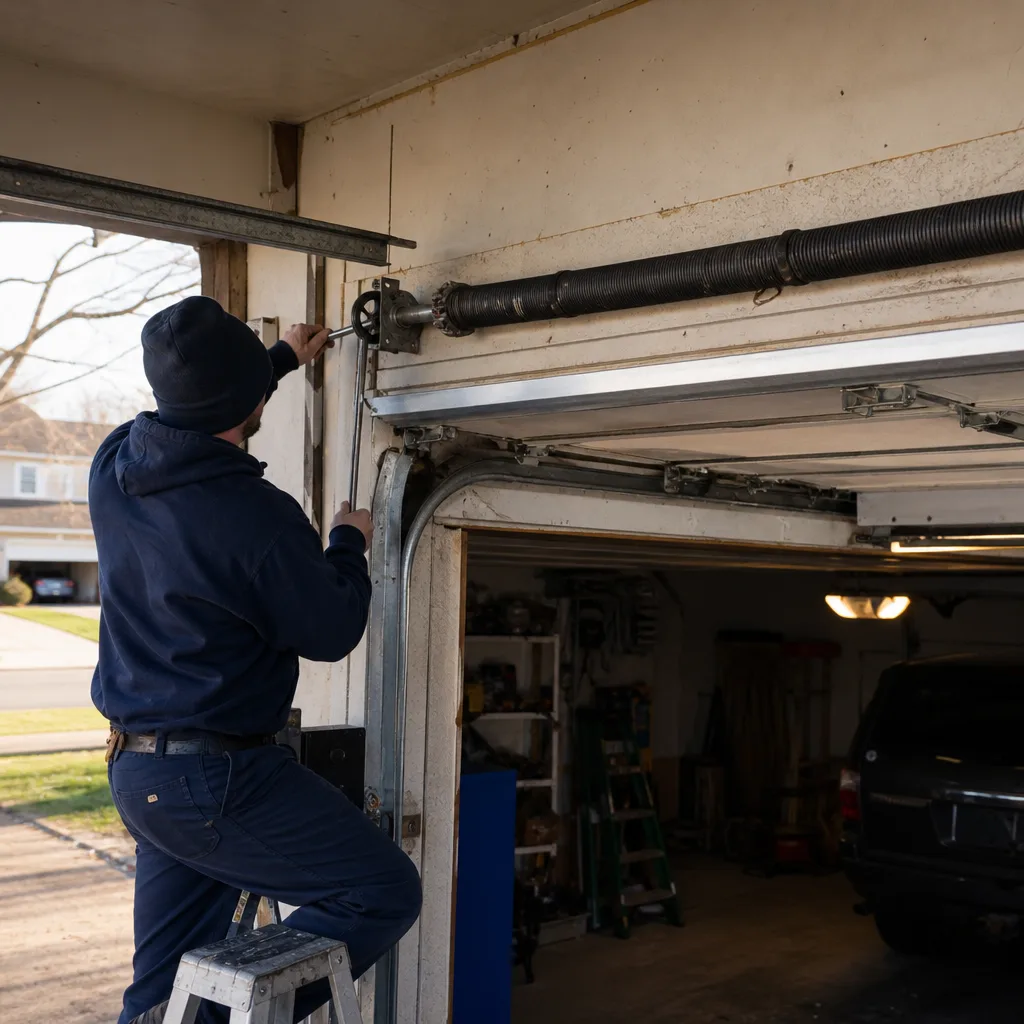 Before
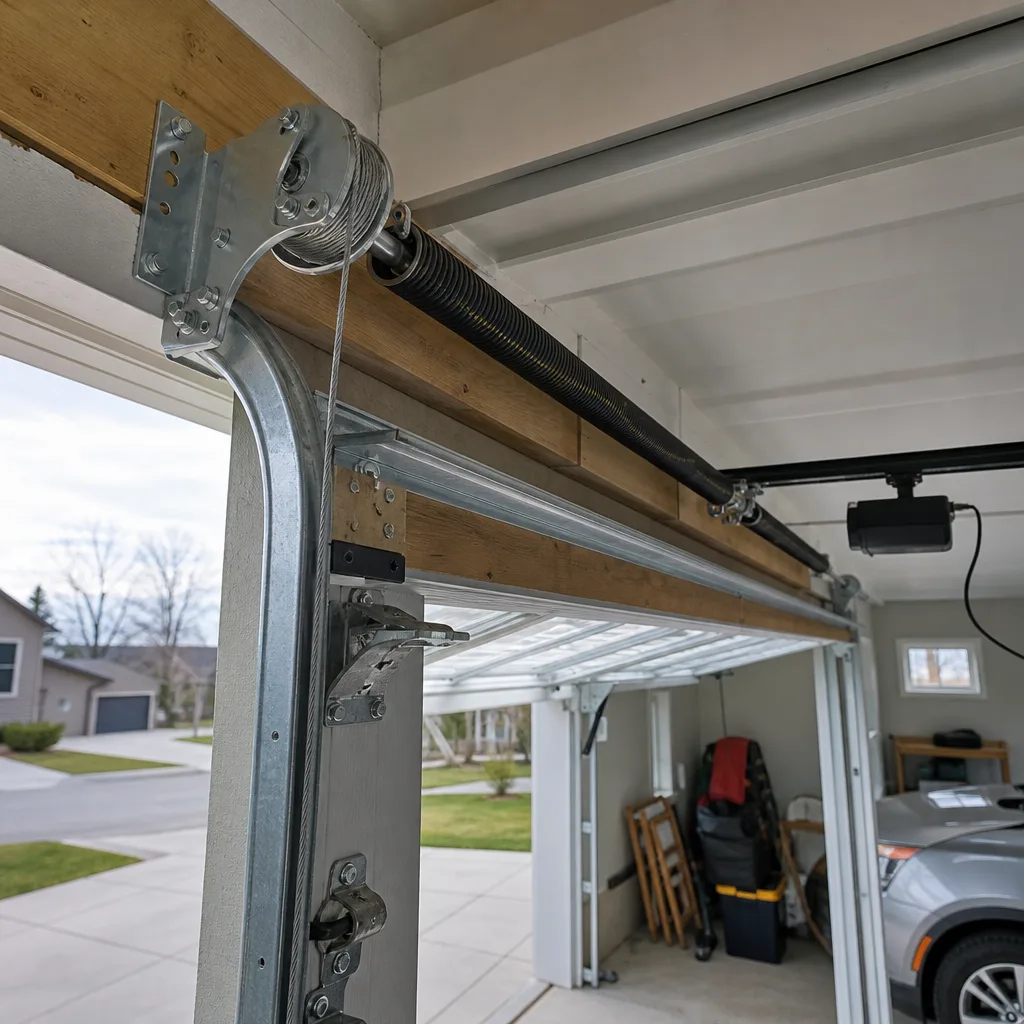 After
 Before
 After
 Before
 After