
Last updated October 31, 2026
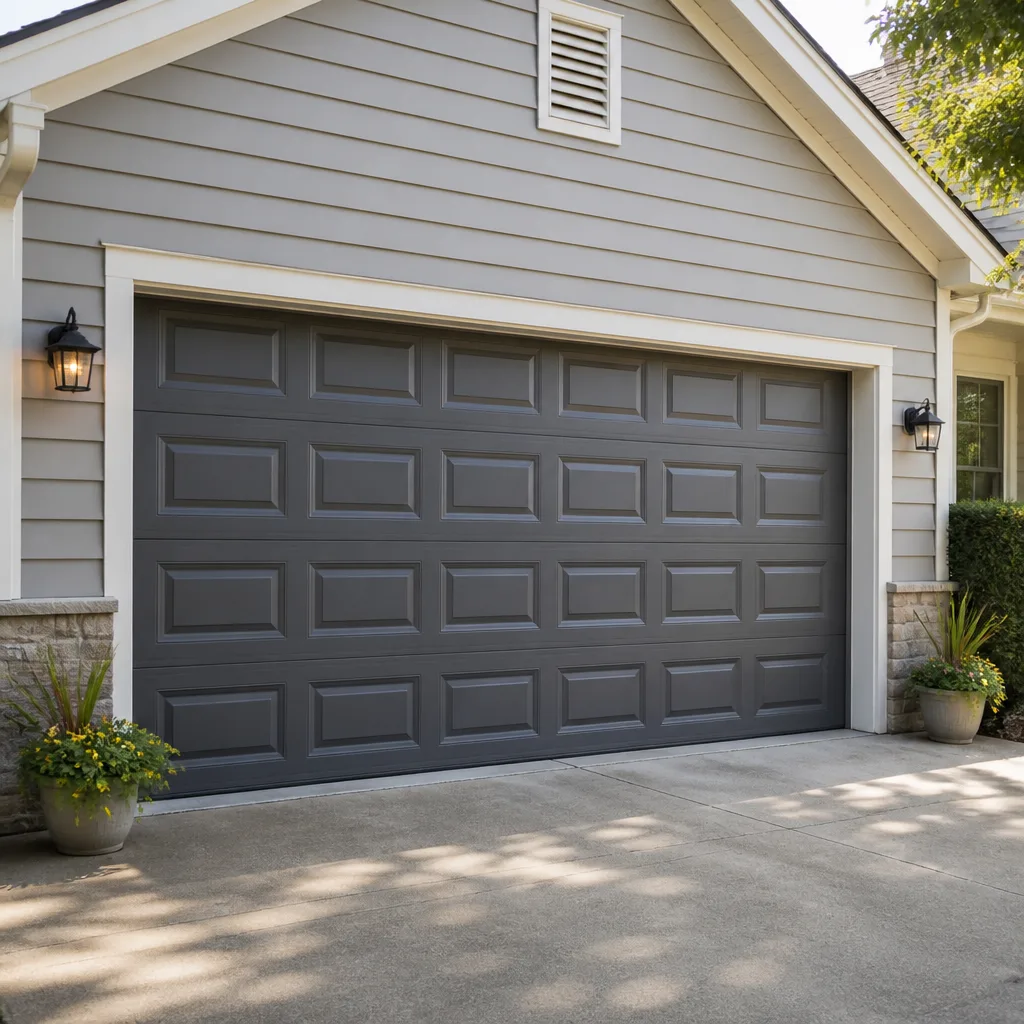 Raised-panel steel
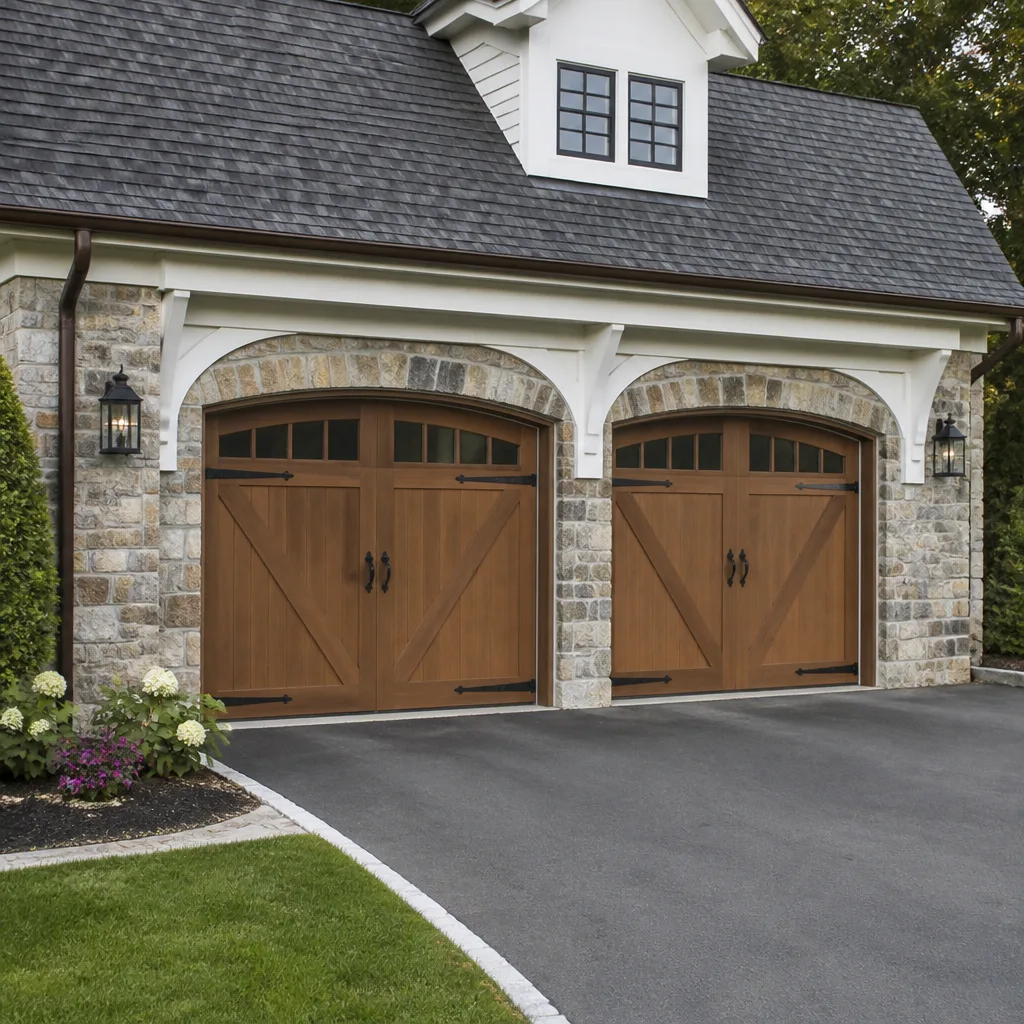 Carriage house
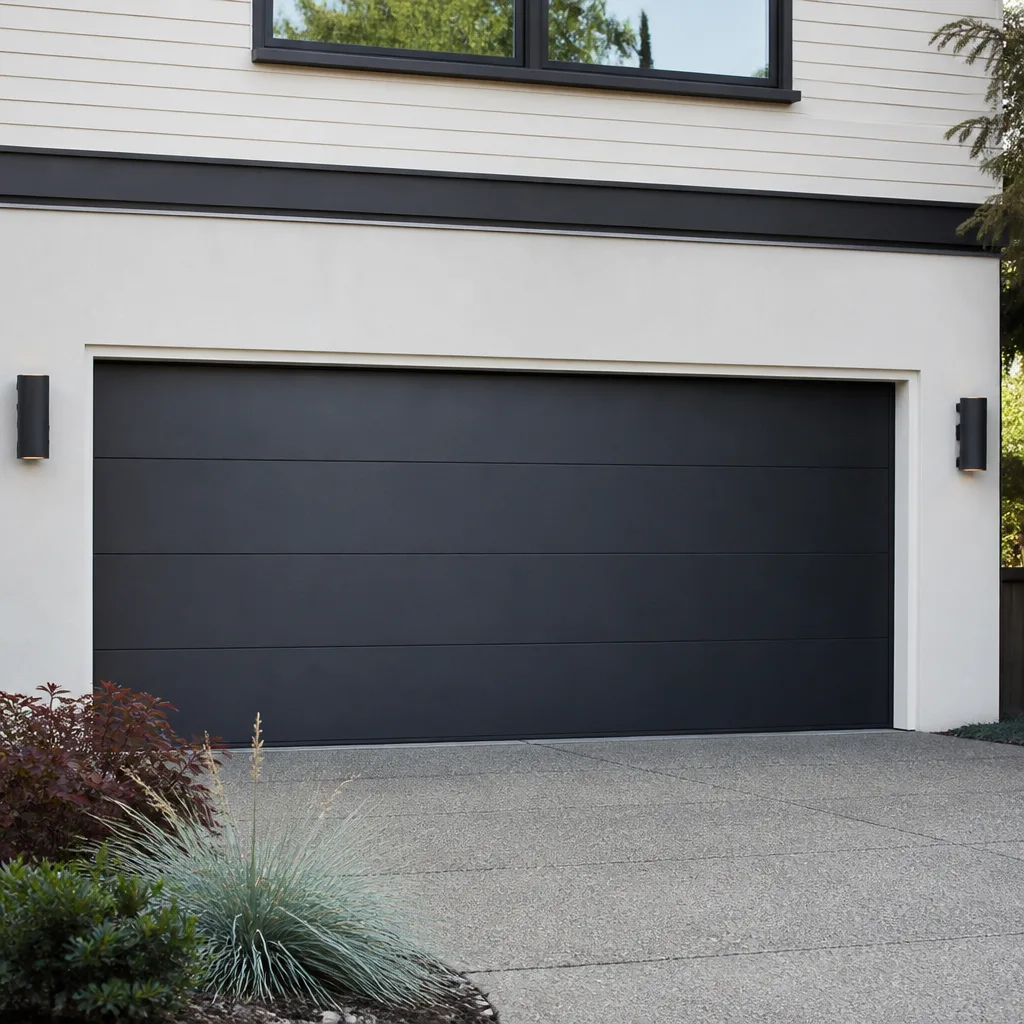 Modern flush
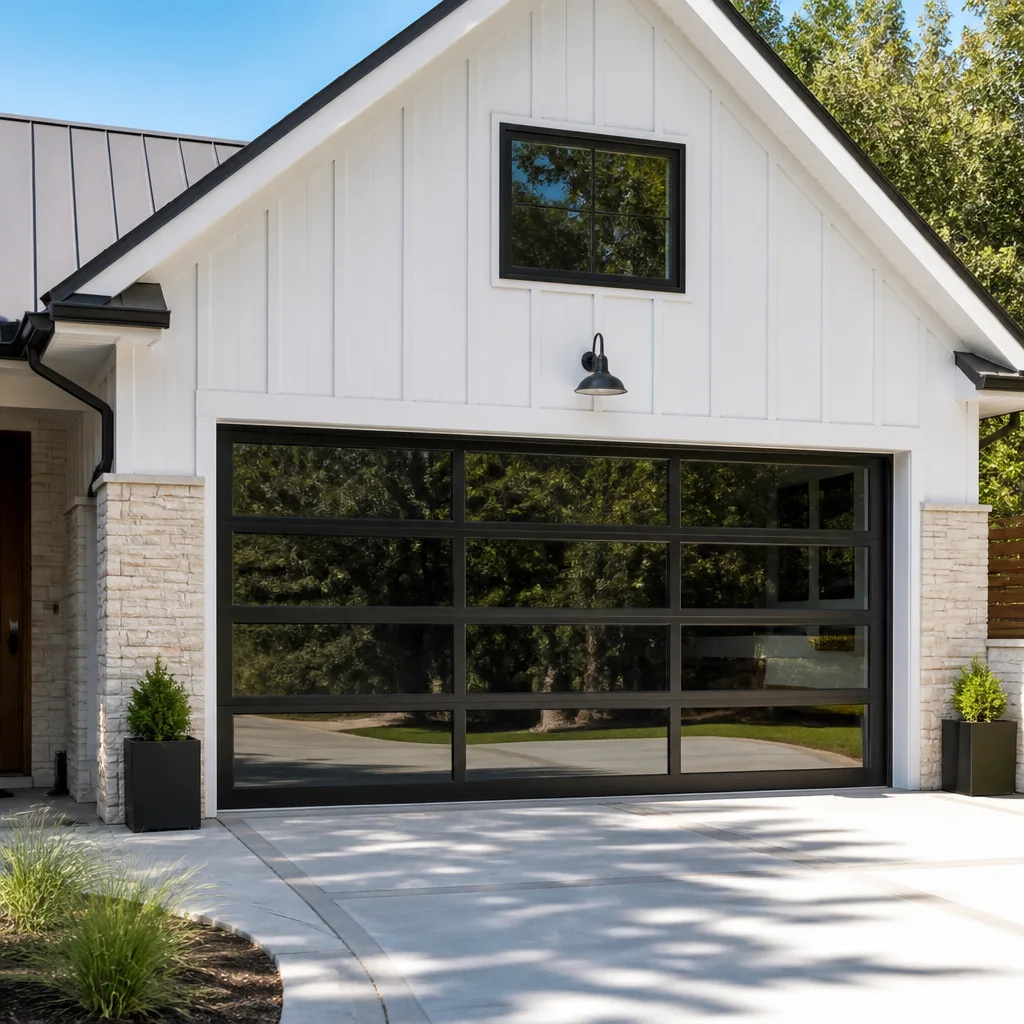 Full-view glass
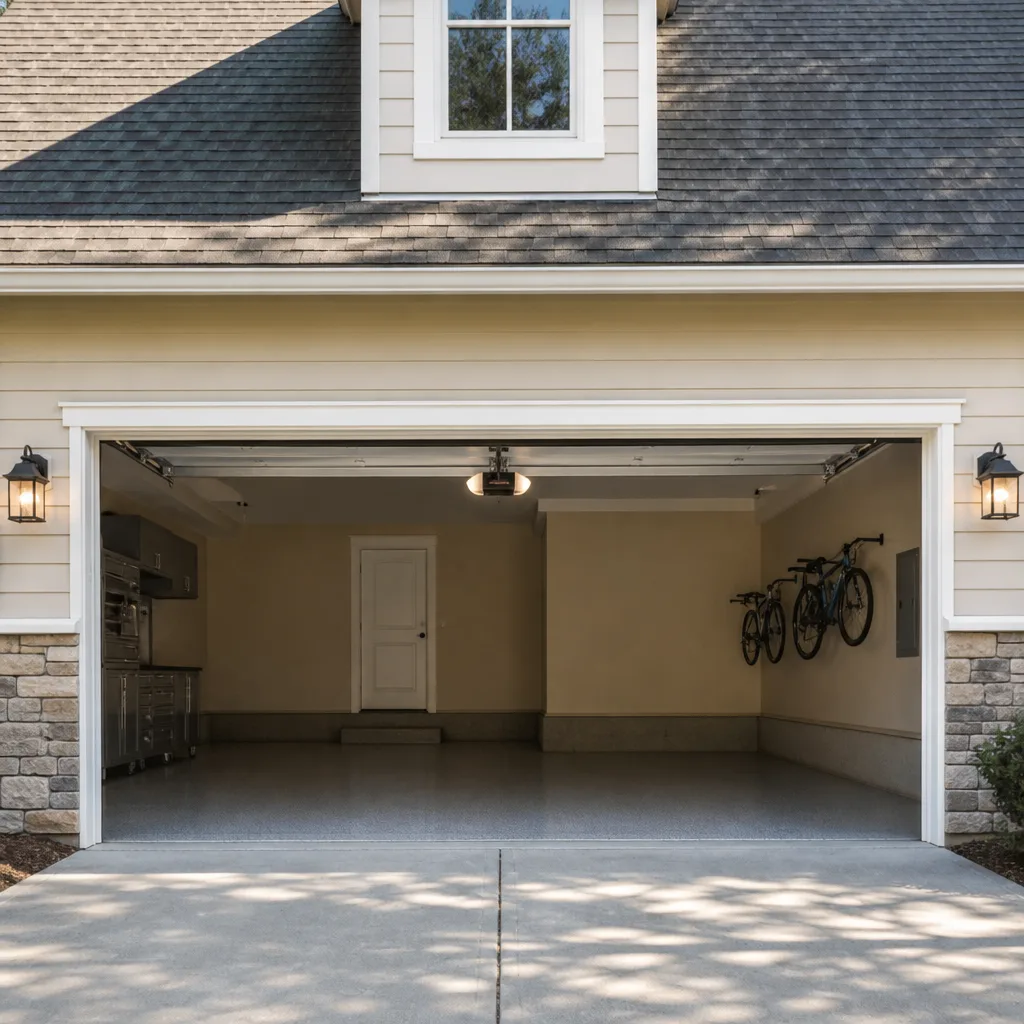 LiftMaster openers
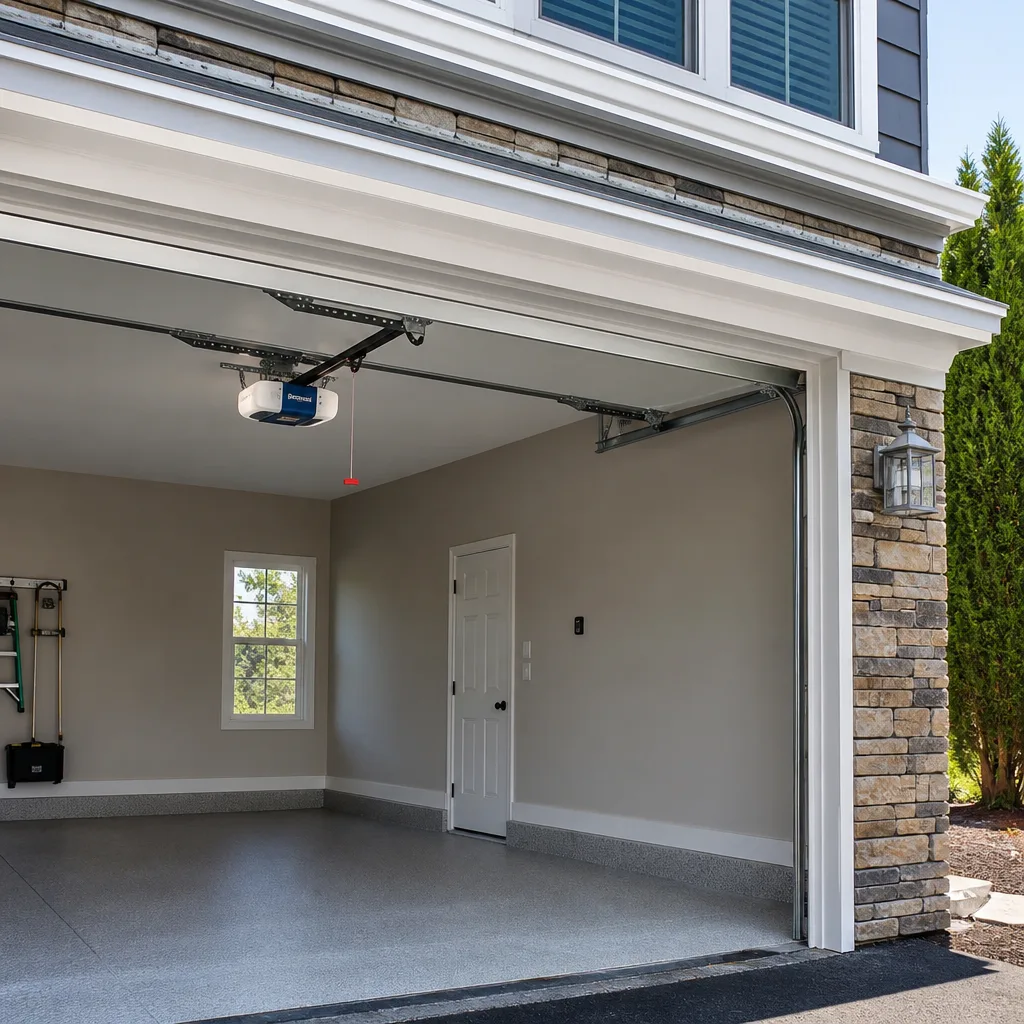 Chamberlain openers
Full 25-point door and opener safety check with every visit - springs, cables, rollers, tracks, and your LiftMaster or Chamberlain opener included
You get a price before we start. It does not change when the truck arrives.
Get your free estimateGarage Door Repair Maintenance Checklist for Grand Rapids Homeowners
Here’s something most maintenance guides won’t tell you: the garage door that fails on a Grand Rapids January morning rarely breaks that day. It breaks the previous July, when someone sprayed a household lubricant on the tracks that turned to molasses at 10 below. Or in October, when a stretched spring was left unadjusted because “it still opens fine.” A generic checklist keeps a door running in mild weather. A Grand Rapids checklist keeps it running when the wind chill hits -20°F and your car is stuck inside. This guide is built from the failure points West Michigan technicians actually see, organized month by month around our freeze-thaw calendar. You’ll learn which lubricants survive a Michigan winter, how to spot ice-dam weatherstripping damage before it rots your door frame, and the 15-minute pre-winter walk-around that catches most of what we fix in January.
Styles & brands we work with
Quick Answer
Grand Rapids homeowners should follow a season-timed maintenance routine: lubricate rollers, hinges, and springs every two months with a silicone or lithium spray rated for below-zero temperatures, check weatherstripping and door balance in October before freeze-thaw cycles start, and run a 15-minute pre-winter inspection each November. If you hear grinding, see a door sitting crooked, or notice a spring with a gap in it, stop using the door and call a professional for Garage Door Repair. Most door failures in Grand Rapids are preventable with these simple checks, and the ones you can’t fix yourself are exactly the ones that get dangerous.
Table of Contents
- A Month-by-Month Maintenance Calendar for Grand Rapids
- Which Lubricants Actually Work Below Zero (and Which Make It Worse)
- Weatherstripping: Spotting Ice-Dam and Freeze-Thaw Damage Before It Spreads
- How to Visually Check Spring Tension Without Touching Anything Dangerous
- The Pre-Winter 15-Minute Walk-Around That Catches Most January Failures
- Testing Door Balance: The 60-Second Check That Predicts Motor Burnout
- Garage Door Opener Care: What Grand Rapids Homeowners Skip That Costs Them
- Tools and Products Worth Keeping in Your Garage
- Common Mistakes to Avoid
- When to Call a Professional
- Frequently Asked Questions
- The Bottom Line
A Month-by-Month Maintenance Calendar for Grand Rapids
Grand Rapids doesn’t do mild seasons. We get hard freezes, spring thaws, humid summers, and a fall that drops forty degrees in a week. Your garage door feels every one of those shifts. Here’s what to do and when, timed to the weather patterns we actually live with, from Eastown to Walker to Cascade.
January and February
This is survival season, not maintenance season. Your job in these months is to pay attention. Listen for changes in sound, watch for frost forming on the bottom seal, and notice if the door moves slower than it did in December. If the door shudders or jerks on cold mornings, that’s often cold-thickened grease in the rollers or hinges, not the motor. Don’t force it. Let the day warm slightly, then try again. If it’s still rough, the opener may be fighting a balance problem that’s been building since fall.
One specific Grand Rapids issue: ice can seal the bottom weatherstrip to the driveway. If the door won’t open, check for ice adhesion before you press the opener button again. Forcing an opener against a frozen seal strains the motor and can strip a gear. Break the seal gently with a flat shovel or a few taps of a rubber mallet along the bottom edge.
March and April
Freeze-thaw heaving shifts driveway slabs and can leave the door sitting slightly out of square. This is the time to run the full balance test described below and look for new gaps between the door and the side jambs. Spring is also when we see a spike in broken springs. The cold months weaken metal, and the first real warmth finds the ones that gave out. A visual check for a gap in the torsion spring takes five seconds and tells you what’s coming. If you need opener repair or door service after a long winter, this is when Grand Rapids homeowners typically schedule it; for guidance on what to look for, see our Garage Door Repair Troubleshooting: Common Problems and How to Fix Them. Sunshine Garage Door Service gets a surge of calls in March from doors that limped through winter and finally quit.
May and June
Humidity arrives. Wood-framed doors in older Grand Rapids neighborhoods like Heritage Hill may swell slightly, changing how the door sits in its opening. Lubricate rollers and hinges now with the cold-weather product still on the shelf; the same silicone spray that works in January works fine in May. Check for rust on the torsion spring and bottom panels. If you see surface rust forming, wipe it down and apply a light coat of spray lithium grease to slow it. Pay attention to any squeaking that started over winter; it often means a roller bearing is failing rather than a lubrication issue.
July and August
The critical summer task is lubrication, and the reason is counterintuitive: you’re preparing for winter. The lubricant you apply in July is the one that will still be on your hinges in January. Use a silicone-based or white lithium spray, not WD-40, not motor oil, not graphite. More on that below. This is also the best time to check the opener’s auto-reverse safety function, since you can do it comfortably with the door fully dry. Place a 2×4 flat under the door and close it; the door should reverse within a second of contact. Ten minutes in July saves you a safety hazard all year.
September and October
These are the most important maintenance months in Grand Rapids. In September, inspect the entire length of the bottom weatherstripping and both side seals. Look for the specific damage pattern caused by Michigan ice cycles: the rubber hardened and cracked from repeated freeze-thaw, then tore away when the door opened against ice. Replace any seal that’s stiff, cracked, or pulling away from the channel. A $40 seal replacement in September prevents a frozen-shut door and a frozen garage in January.
In October, run the complete pre-winter walk-around described below. Check spring tension, door balance, weatherstripping, and opener force settings. Test the opener’s manual release pull cord; when the power fails during an ice storm, you need that cord to work smoothly. Many Grand Rapids homeowners discover a seized release mechanism only when they need it most.
November and December
Your maintenance window is closed for major work, so this is monitoring season. Watch for frost lines on the inside of the door panels, which indicate air leaks and heat loss. Listen for changes in the door’s sound. By December, anything that wasn’t caught in October becomes a repair, not maintenance. And repair calls in December and January tend to be more expensive and slower because every tech in Kent County is running from call to call. One exception: if you notice your door struggling or hesitating in December, don’t wait. A minor issue in December is always cheaper than a full failure in January.
Which Lubricants Actually Work Below Zero (and Which Make It Worse)
Here’s the single most common mistake we see in Grand Rapids garages: a homeowner applied a lubricant that worked fine all summer, then discovered it turned to thick sludge when the temperature dropped. The product you use matters enormously. Some household products actively make winter performance worse.
What to use:
- Silicone spray lubricant: The best all-around choice for garage door rollers, hinges, and springs. Silicone stays fluid well below 0°F and doesn’t attract dust. It’s safe on plastic and rubber parts. Apply every two months during heavy use seasons, or monthly if your door cycles more than eight times a day.
- White lithium grease: Excellent for metal-on-metal contact points like hinges and bearing plates. Lithium grease clings to metal and resists water, which matters when melting snow drips into your track. Slightly thicker than silicone, but still performs at Grand Rapids winter temperatures. Apply sparingly; a little goes further than you think.
- Garage door-specific spray lubricants: Brands like 3-IN-ONE Professional Garage Door lube are formulated exactly for this job. They’re usually a blend of silicone and petroleum carriers that penetrate and then set up. Read the label for the low-temperature rating. A product rated to -50°F has headroom for our worst January mornings.
What to avoid:
- WD-40: It’s a solvent and water displacer, not a lubricant. It strips away whatever lubrication was on the part and leaves a thin film that disappears quickly. The worst outcome: it washes out the roller bearing’s original grease and accelerates failure. Don’t reach for it as a door lubricant.
- Motor oil or 10W-30: Assumes it’s a car engine. Motor oil collects grit, turns gummy in heat, and thickens significantly below freezing. It also drips onto your car or driveway. Nothing about motor oil belongs on a garage door.
- Graphite spray: Works for locks, but on garage door rollers it creates black dust that spreads everywhere and does little for the rolling surfaces. It also won’t protect against the moisture cycle our winters produce.
- Cooking spray or vegetable oil: Becomes sticky, then rancid. Attracts insects in summer and freezes into a glue-like consistency in winter. If someone suggests PAM for a garage door, walk away.
One more local note: in Grand Rapids, the freeze-thaw cycle means salt and slush sometimes end up on the lower track area. After a thaw and re-freeze, check the bottom rollers for grit and salt residue before lubricating. Wiping the track clean first prevents you from sealing abrasive salt into the rollers at the grease level.
Weatherstripping: Spotting Ice-Dam and Freeze-Thaw Damage Before It Spreads
Weatherstripping is the most underrated maintenance item on a garage door in Grand Rapids. It’s also the one that fails most predictably. Our winter pattern, which alternates hard freezes with rapid thaws, creates a specific damage signature that plain-vanilla guides never mention. Here’s how to spot it early.
The freeze-thaw damage pattern:
- Stiffening and cracking: Rubber and vinyl seals lose flexibility as they age and harden through cold cycles. In Grand Rapids, a seal that’s three years old has already been through 100-plus freeze-thaw events. When you bend it in September, it should flex like rubber. If it feels plastic-like and shows micro-cracks along the bend line, it’s done.
- Tearing at the ice-adhesion points: When the bottom seal freezes to the driveway and the opener forces the door up, the seal can tear away from its aluminum channel. Check for tears at the ends first; those are the classic ice-dam points. A small tear in October becomes an open gap by February.
- Deformation from ice dams: Ice builds up at the base of the door, particularly on the north side of Grand Rapids homes or any garage that doesn’t get direct sun. The pressure distorts the rubber and can bow the channel. If the seal no longer sits flat against the floor, air is getting in, and future ice adhesion gets worse.
What to do when you find damage:
- Replace the bottom seal if it’s stiff, cracked, torn, or no longer makes full contact with the floor. It’s a $30 to $60 part depending on door width, and replacement takes about 20 minutes if you’re handy. The door must be winched up, the old seal slid out of the channel, and the new one fed in. If you’d rather not handle the spring-loaded mechanism, this is a quick service call.
- Check the side and top seals too. These degrade slower but matter for heat loss. Run your hand along the seal on a windy day; if you feel air movement, replace it.
- After replacing the bottom seal, apply a thin coat of silicone spray to the rubber. This reduces ice adhesion next winter. Some Grand Rapids homeowners also spray the driveway contact patch before a forecast freeze. Never use petroleum-based products on rubber; they accelerate cracking.
If you’re replacing a full door in the future, note that Grand Rapids door installation now includes triple-layer and insulated models that hold up better against our ice cycles. But even on the best door, weatherstripping is a wear item. Plan to replace it every three to five years, not “when it fails visibly,” because by then it’s already failed as a seal.
How to Visually Check Spring Tension Without Touching Anything Dangerous
Garage door springs are the most dangerous components in a typical home. Torsion springs hold hundreds of pounds of tension, enough to break bones or kill a person if mishandled. There is a firm line between what a homeowner can safely check and what they should never attempt. Here is exactly where that line sits.
What you can safely do:
- Look at the torsion spring (the thick coil above the door): A healthy spring is one continuous coil with no gaps. If you see a visible separation anywhere along the coil’s length, the spring has snapped. Do not use the door. Do not stand under it. Call a professional immediately.
- Look at the extension springs (the two long springs on either side, common on older doors): These should be parallel and taut. If one hangs loose, sags, or has stretched unevenly, the door is pulling unevenly and the spring may be near failure.
- Check for rust or wear on the spring’s surface: Surface rust is a warning sign that the spring is weakening. Heavily rusted springs break sooner. If you see pitting or flaking, have a pro assess it; preventive replacement is far cheaper than an emergency break at 6 AM with your car trapped inside.
The “don’t touch” line:
- Never remove, loosen, or adjust the red tension bolts on a torsion spring. The red bolts indicate tension-adjustment points; touching them without training can release the spring catastrophically.
- Never replace a spring yourself. This is not a “do your research” moment. A spring under tension carries enough energy to sever fingers or open a skull. Professional replacement requires winding bars, not wrenches, and a working knowledge of torsion cycles.
- Never try to tighten a cable that’s come off a drum. The cable is under tension. If it slipped off, the door is unbalanced, and the fix requires repositioning the door and resetting cable tension, not just “putting it back.”
When we inspect doors in Grand Rapids, we check spring tension as part of the standard visit. A spring that’s lost tension means the opener is lifting more weight than it’s designed for, which quietly shortens the motor’s life. If your door feels heavy when you operate it manually, that’s the signal. At Sunshine Garage Door Service, we’d rather catch a weakening spring in September than break one in February, and the visual checks above are exactly what you can do yourself.
The Pre-Winter 15-Minute Walk-Around That Catches Most January Failures
Set aside 15 minutes in late October or early November, before the first hard freeze. Run through this sequence. It’s timed and ordered to maximize what you catch in minimum time.
- Close the door and step outside. Look at the gap under the door (1 minute): The bottom seal should touch the floor evenly across the entire width. Any light showing through means cold air gets in and ice gets a foothold. Mark the gap; you’re replacing that seal.
- Check both side seals by running your hand along each edge (1 minute): Look for gaps, cracks, or brittleness. On a windy day, feel for air movement. The side seals matter as much as the bottom in Grand Rapids wind-driven cold.
- Inspect the torsion spring with a flashlight (1 minute): Look for a gap in the coil. Look for rust. One gap means a broken spring; call a professional before using the door again.
- Open the door halfway and release the manual pull cord (2 minutes): The door should stay roughly in place. If it drops or rises, the springs need adjustment or replacement. Then re-engage the opener and test it through a full cycle.
- Listen to the door through one full open-close cycle (2 minutes): Smooth and quiet is good. Grinding, squealing, or a rattle that wasn’t there before means a roller or hinge is failing. Note where the sound comes from; that’s what a tech will ask.
- Test the auto-reverse function (2 minutes): Place a 2×4 flat on the floor under the door. Close the door. It should reverse within a second of touching the wood. If it doesn’t, stop using the door and call for opener repair. A door that doesn’t reverse is dangerous, especially around kids and pets.
- Check the opener’s force setting (1 minute): Some openers display a force-setting indicator. After the auto-reverse test, if the door struggles, the force may be set too high to compensate for a balance problem. This is a sign you need the door checked, not just the opener adjusted.
- Wipe down and lubricate (3 minutes): Clean the rollers and hinges of grit, then apply silicone or lithium spray to the rollers, hinges, bearing plates, and spring. Avoid the track; lubricant on the track causes the rollers to slip.
- Test the manual release pull cord (1 minute): Pull it once and reseat it. The mechanism should move freely. If it’s stiff, lube the cable and the sliding mechanism. During a winter power outage, this is your only way in and out.
- Check the weatherstripping one final time from inside (1 minute): With the door closed and the lights off, look for light leaks around the edges. Mark them. Every leak is a heat loss and a future ice point.
That’s the full 15 minutes. If you found a broken spring, a stiff release mechanism, a failed auto-reverse, or a door that won’t balance, don’t keep using the door. Each of those can turn a small fix into a bigger one, or into an injury. Anyone on our team can walk you through what you found and whether it needs a service call. And if you found nothing, you just bought yourself a much easier January.
Testing Door Balance: The 60-Second Check That Predicts Motor Burnout
A garage door opener is not designed to lift the full weight of the door. It’s designed to move a door that the springs are already balancing. When the springs weaken, the opener picks up the slack, and that’s when motors burn out years early. The balance test takes 60 seconds and tells you if your opener is working harder than it should.
How to run the test:
- Close the door completely.
- Pull the red emergency release handle. The door is now in manual mode.
- Lift the door by hand to about waist height and let go.
- Watch what happens.
How to read the results:
- Door stays at waist height: Springs are balanced. The opener is doing a normal amount of work. Good.
- Door drops: Springs are weak or broken. The opener has been compensating, maybe for months. Call a pro. This is the most common finding in Grand Rapids garages, particularly on doors that are 8-plus years old.
- Door rises: Springs are over-tensioned. Less common, but possible if someone adjusted them recently. Over-tensioning slams the door open and strains the closer mechanism, so it needs correction.
After the test, pull the release handle again and run the door through one cycle to re-engage the opener. You’ll hear a click when the carriage reconnects. If your door fails the balance test, that’s a spring issue, not an opener issue, and it’s not something to adjust yourself. We’ve replaced plenty of opener motors in Kent County that were destroyed by weak springs the homeowner never noticed. The balance test is the early warning system. Run it every March and every October.
Garage Door Opener Care: What Grand Rapids Homeowners Skip That Costs Them
Opener maintenance gets ignored because openers mostly work until they don’t. Then they fail suddenly, often during a cold morning when you’re already running late. Here’s what actually wears out and what to check, brand by brand where it matters.
Chain and belt tension: Over a few years, drive chains stretch, belts loosen. A loose chain rattles and slaps; a loose belt slips. Both wear the drive sprocket quickly. The fix is a tension adjustment, which on LiftMaster and Chamberlain openers is a straightforward bolt adjustment, and on Genie models is usually a spring-loaded take-up system. If you hear a slapping or slapping sound during operation, that’s the chain telling you it’s loose.
Drive gears: Older Craftsman and Chamberlain openers use a plastic gear inside the motor housing. When the door is unbalanced and the opener fights it, this gear strips. If your opener whines but the door doesn’t move, or moves in jerks, this is the classic symptom. A stripped gear usually means the motor is spinning but the output shaft isn’t turning. On some models this is replaceable; on others, it’s a signal that the whole opener is near end of life.
Logic board and capacitor failures: Cold weather kills capacitors. They’re chemical devices that degrade faster in temperature extremes, and Grand Rapids garages are unheated in most homes. A capacitor failure means the opener clicks or hums but won’t start the motor. The logic board, which interprets wall-button and remote signals, can also fail from cold cycling or power surges during ice-storm outages. These are not user-serviceable parts. If your opener is dead but the outlet has power, call someone who works on openers specifically.
Sensor alignment: The photo-eye sensors at the bottom of the door are safety devices. If they’re bumped by a shovel, a garbage can, or a car bumper, the door will refuse to close. The sensors should show a solid green and solid amber light when aligned. If one blinks, they’re misaligned. Gently adjust the sensor bracket until both lights are steady. This takes two minutes and fixes maybe 20% of “my door won’t close” calls.
Opener repair is genuinely a different skill than door repair, and that’s why garage door opener repair in Kentwood exists as its own service at Sunshine Garage Door Service. The people who diagnose a dead logic board are the same ones who won’t be stumped by a misaligned sensor or a stripped Craftsman gear. If your opener is older than 12 to 15 years and the repair involves a logic board or motor, it’s usually more cost-effective to replace the opener than rebuild it, and we can talk through that math honestly.
Tools and Products Worth Keeping in Your Garage
You don’t need a full workshop to maintain a garage door. These five items cover the vast majority of what the monthly checklist requires, and they’re all available at any Grand Rapids hardware store or online.
- Silicone spray lubricant: Buy one can and keep it in the garage. Mark the purchase date on it. The single highest-leverage maintenance action you can take is using this every two months on rollers, hinges, and springs.
- White lithium grease: A second lubricant for hinge pivot points and bearing plates. Not a replacement for silicone; the two serve different roles. Silicone for rolling parts, lithium for sliding and pivoting metal.
- A flashlight with a focused beam: For spring inspection and checking the garage door seal against the floor. A phone flashlight works, but a real beam is faster.
- A 2×4 block of scrap wood: For the auto-reverse safety test. Keep one near the door; you’ll use it every October.
- A soft-bristle brush or rag: For wiping down rollers, hinges, and the bottom seal before lubrication. Grit on a roller is abrasion; cleaning first matters.
That’s it. No specialty tools, no ladders, no tension wrenches. The tools you need for the “don’t touch” category are professional tools, and they should stay in a professional’s hands.
Common Mistakes to Avoid
- Using WD-40 as a garage door lubricant: It’s a solvent, not a lubricant. Spraying WD-40 on a roller bearing strips out the factory grease and accelerates failure. In a Grand Rapids winter, a WD-40-treated roller is noisier and stiffer than an untreated one by February.
- Lubricating the track: Garage door tracks are not meant to be lubricated. Oil on the track collects dirt and makes rollers slip. Lubricate the rollers themselves, the hinges, and the spring. Leave the track dry.
- Ignoring a balance failure until the opener dies: The balance test takes 60 seconds. A weak spring will quietly destroy an opener motor over a season or two. Most Grand Rapids homeowners who need opener replacement also have a spring problem that caused it.
- Waiting until a seal visibly fails to replace it: By the time you see a tear or a gap in the weatherstripping, it’s been failing for months. Seals are cheap; the heat loss and ice damage they prevent are not.
- Testing the auto-reverse feature with your hand instead of a solid object: Your hand gives; a car bumper or a child’s bicycle doesn’t. Use a 2×4. The safety system should be tested under the same load it would encounter in a real accident.
- Operating the door with a visibly broken spring because “it still opens”: When a torsion spring snaps, the door is held up entirely by the opener’s cables and motor. This is dangerous and can drop the door suddenly if a cable gives out. A broken spring means the door is out of service until it’s fixed.
- Adjusting the spring with the door open versus closed: Never adjust a spring yourself at all, but if you’re hearing advice from a neighbor, know that a spring under full tension when the door is open is far more dangerous. The only safe spring adjustment is the one a pro does. We mention this because someone’s cousin tried it and got hurt. Don’t be that person.
When to Call a Professional
Any of these situations means stop using the door and make a call:
- A broken torsion spring, visible as a gap in the coil above the door.
- A door that won’t balance, drops when released, or feels heavy to lift manually.
- An opener that hums, clicks, or whines without moving the door, or that struggles and shudders through a cycle.
- A cable that’s frayed, loose, or off its drum.
- A door that’s come off its track or that jerks violently during operation.
- An auto-reverse function that fails the 2×4 test.
Each of these involves springs, cables, or motor components that store real energy. The wrong move can cause serious injury. If you’re in the Grand Rapids area, Sunshine Garage Door Service offers free estimates and works across all the major brands, including LiftMaster, Chamberlain, Genie, Craftsman, Clopay, Amarr, Wayne Dalton, and Raynor. Call (866) 491-7155. If you’ve found something on this checklist you’re not sure about, call and describe it. We’ll tell you whether it needs a visit or just a note in your calendar. And if you’re not in Grand Rapids proper, we also cover garage door repair in Kentwood and the surrounding Kent County area.
Frequently Asked Questions
Every two months during normal use, and monthly if the door cycles more than eight times a day. Use a silicone or lithium spray rated for sub-zero temperatures. In Grand Rapids, the July and September applications matter most because they’re still on the door when winter hits.
You can safely handle lubrication, weatherstripping inspection, the balance test, the auto-reverse test, and visual spring checks. You should not touch springs, cables, or anything under tension. Those are professional jobs. The line is clear: if it’s not on the safe checklist, don’t touch it.
The bottom weatherstrip freezes to the driveway when moisture gets under the seal and temperatures drop. This is more common in Grand Rapids on north-facing garages and homes where the driveway slopes toward the door. Replacing a stiff, cracked seal and applying silicone spray before freeze season reduces ice adhesion. If the door is already frozen, break the seal gently with a flat shovel or rubber mallet rather than forcing the opener.
Broken torsion springs during the first hard cold stretch of late December or early January. Cold weather makes the metal more brittle, and a spring that’s been losing tension for months finally snaps. The second most common is a frozen bottom seal, closely followed by a stripped opener gear on older Chamberlain or Craftsman models.
Look for a visible gap in the torsion spring coil above the door. Run the balance test: pull the release cord and lift the door halfway. If it drops, the springs are failing. If the door feels heavy or the opener sounds strained, the springs need assessment. Bad springs should be replaced, not adjusted, and never by a homeowner.
Basic DIY maintenance costs about $15 to $30 in lubricants and seal materials. Professional maintenance service, where a technician lubricates, inspects, and adjusts everything safely, typically runs from $80 to $150 in the Grand Rapids market depending on the door and what’s found. Seal replacement adds $40 to $80 depending on the width. Spring replacement runs $180 to $350 for torsion springs in this area, and opener replacement is typically $250 to $500 plus the opener unit. Call (866) 491-7155 for an exact quote on any of this. Estimates are free.
A quality steel garage door with regular maintenance lasts 15 to 25 years in Grand Rapids, assuming the opener and springs are replaced as they wear. The door itself is less affected by cold than by neglect of the components around it. Doors on uninsulated, unheated garages tend to age faster because of the temperature swings. A well-maintained door with a good seal can protect a Grand Rapids garage for decades, but the springs, rollers, and seals will each need replacing multiple times over that span.
The Bottom Line
Garage door maintenance in Grand Rapids isn’t about preventing every possible problem. It’s about timing the right checks for the right seasons, using the right products, and knowing exactly where to stop. Lubricate with silicone or lithium every two months, run the balance test every March and October, inspect weatherstripping before freeze-thaw season begins, and do the full 15-minute walk-around each November. If you find a broken spring, a failing balance, or an opener that won’t reverse, stop and call a pro. Most of what we fix in January was catchable in October. Ten minutes a season on this checklist keeps your car moving on the mornings it matters, and keeps you off the list of January service calls every Grand Rapids tech knows by heart.
Written by the team at Sunshine Garage Door Service, serving Grand Rapids since 2013.
See the difference
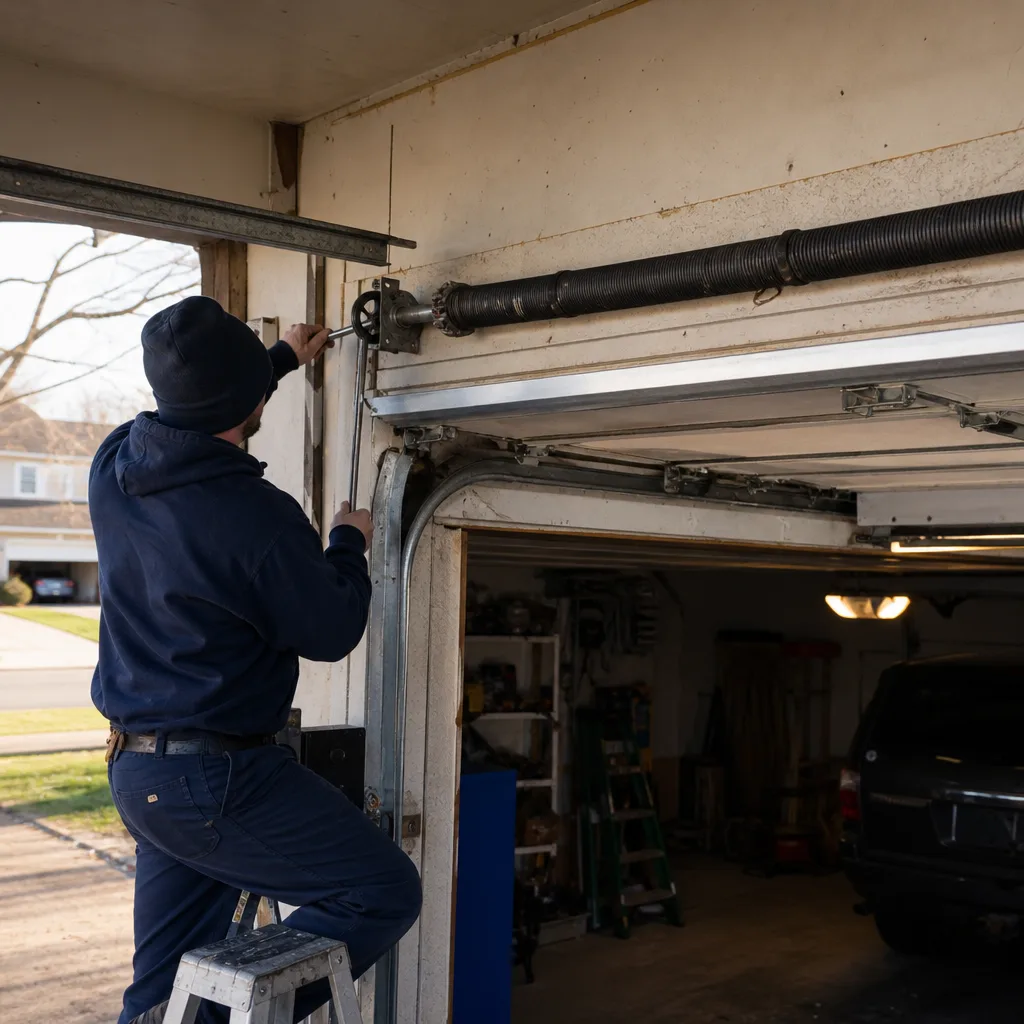 Before
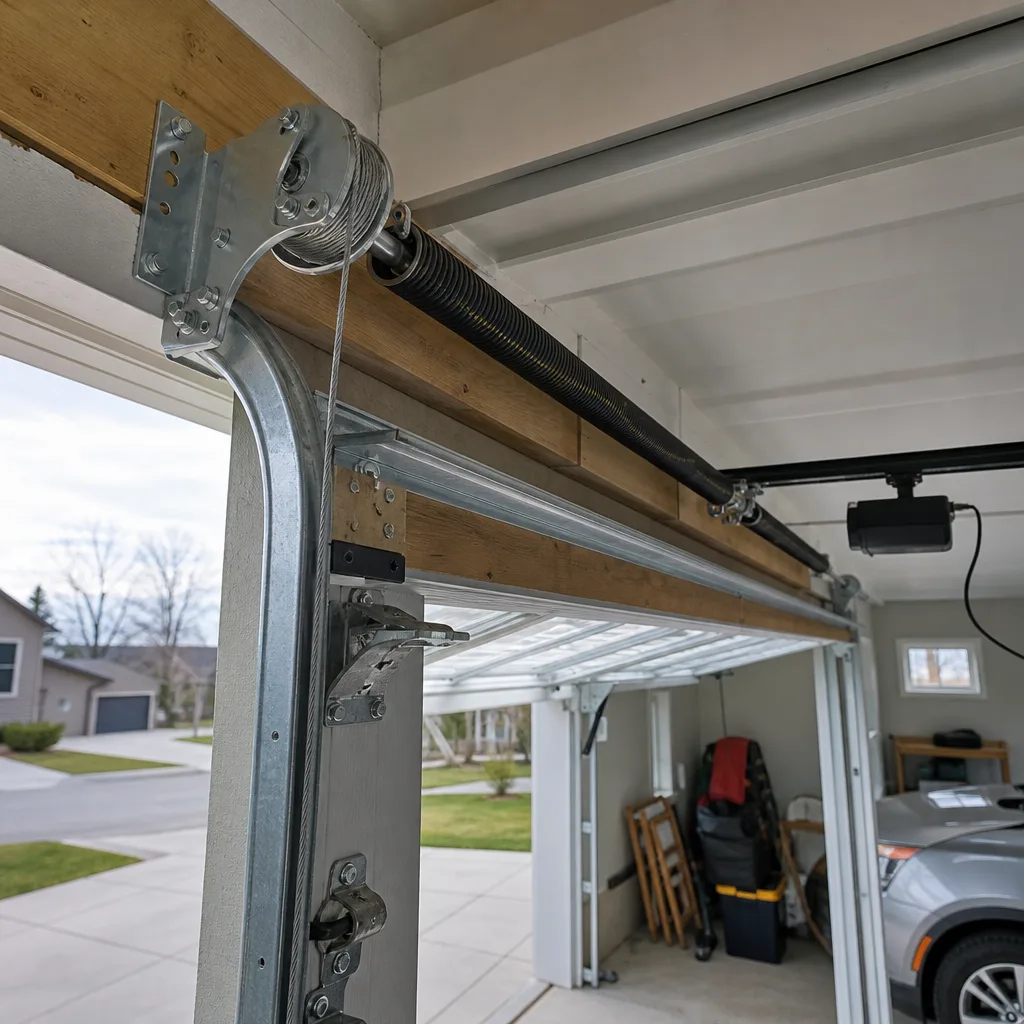 After
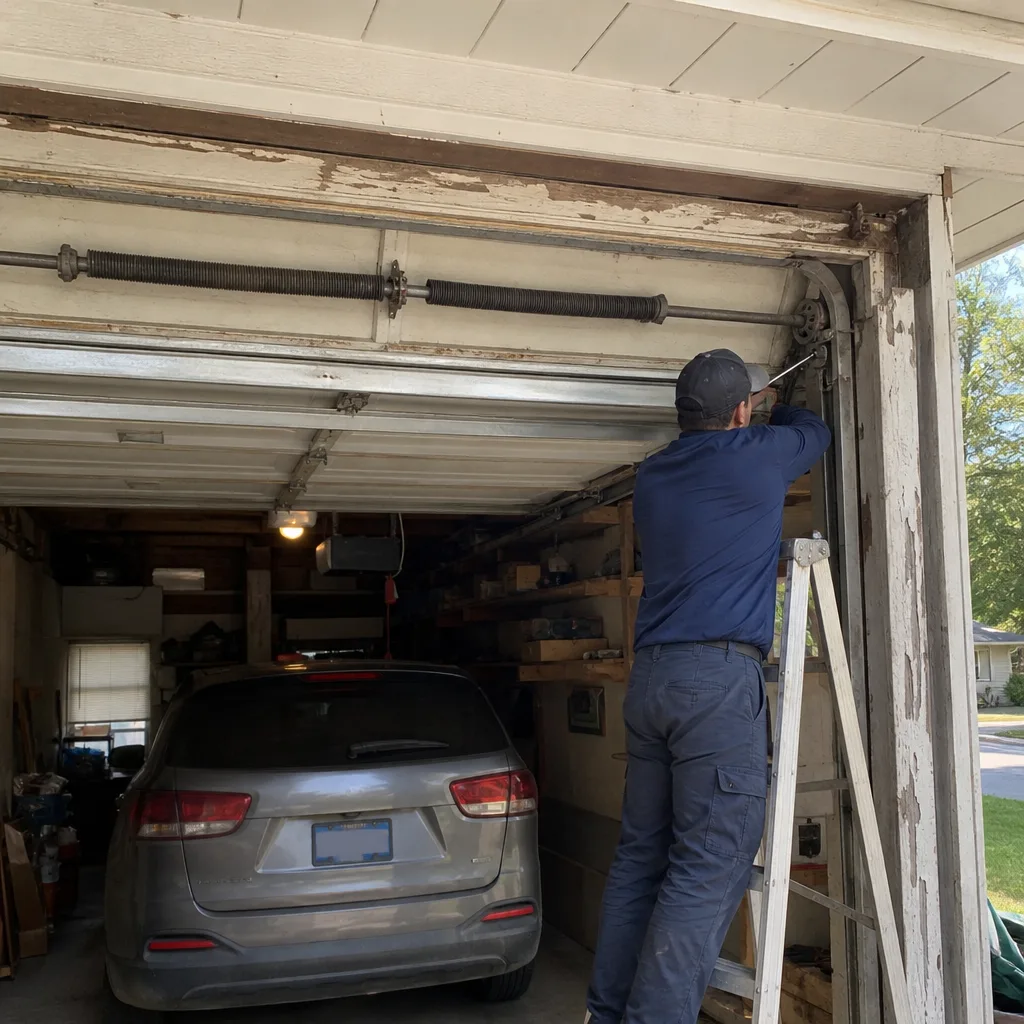 Before
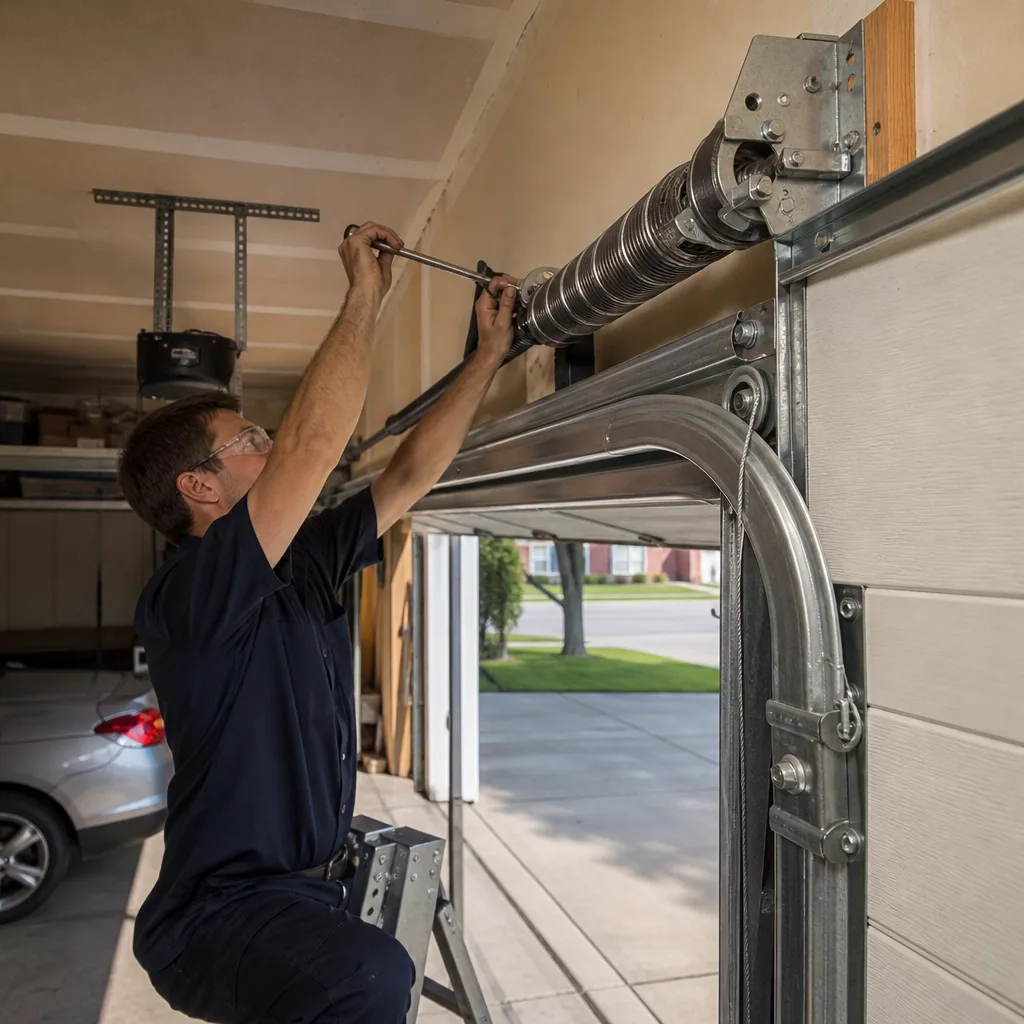 After
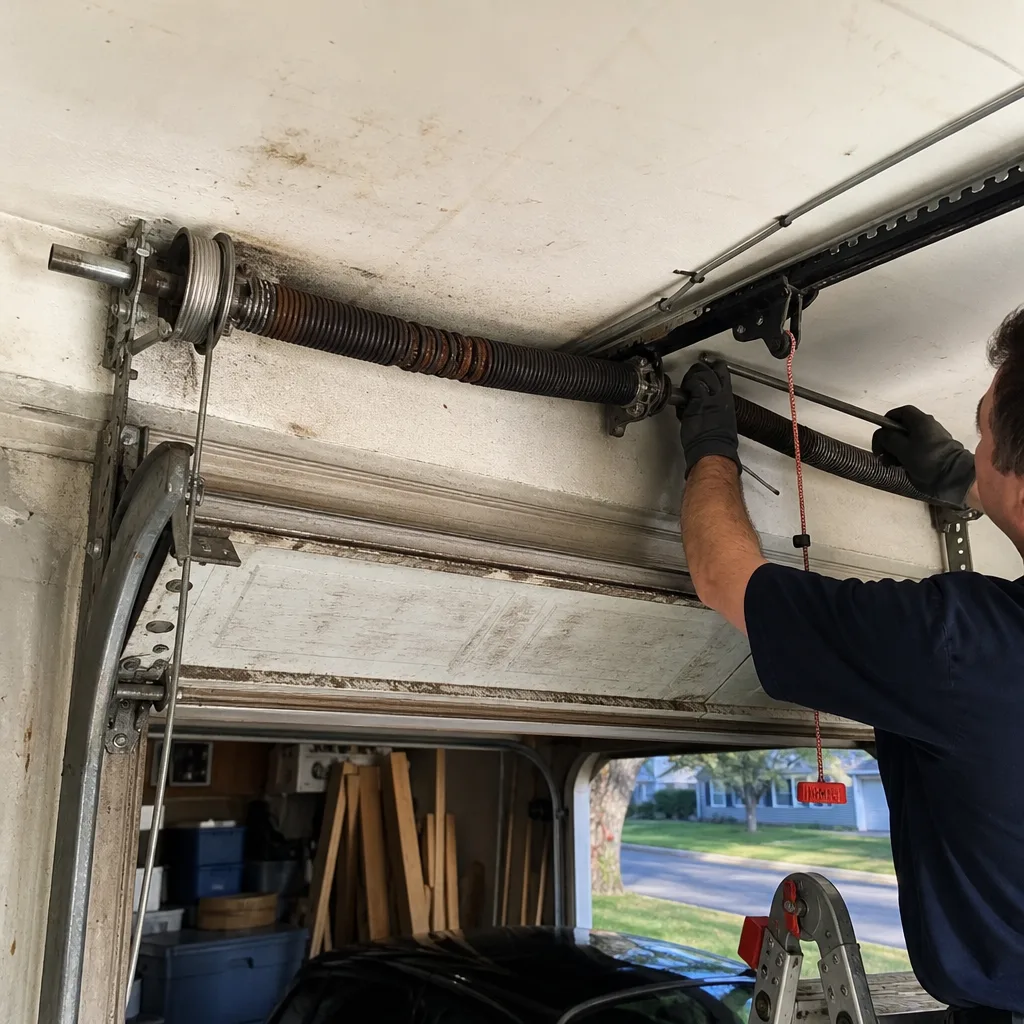 Before
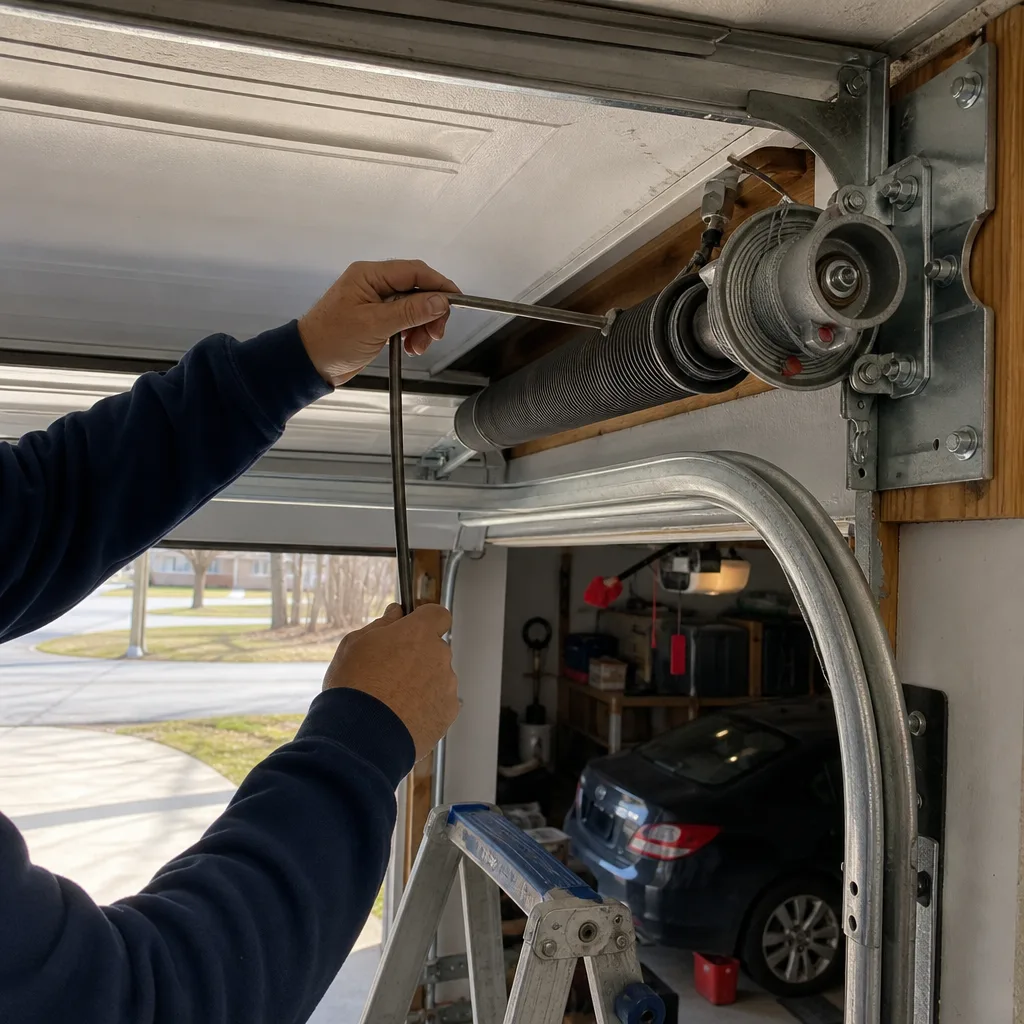 After